


“$3.4 Billion for the Future”: UK Breaks Record Funding World’s First Nuclear Fusion Prototype to Rewrite Energy History
 By
Adam Kovács
| IN A NUTSHELL |
|
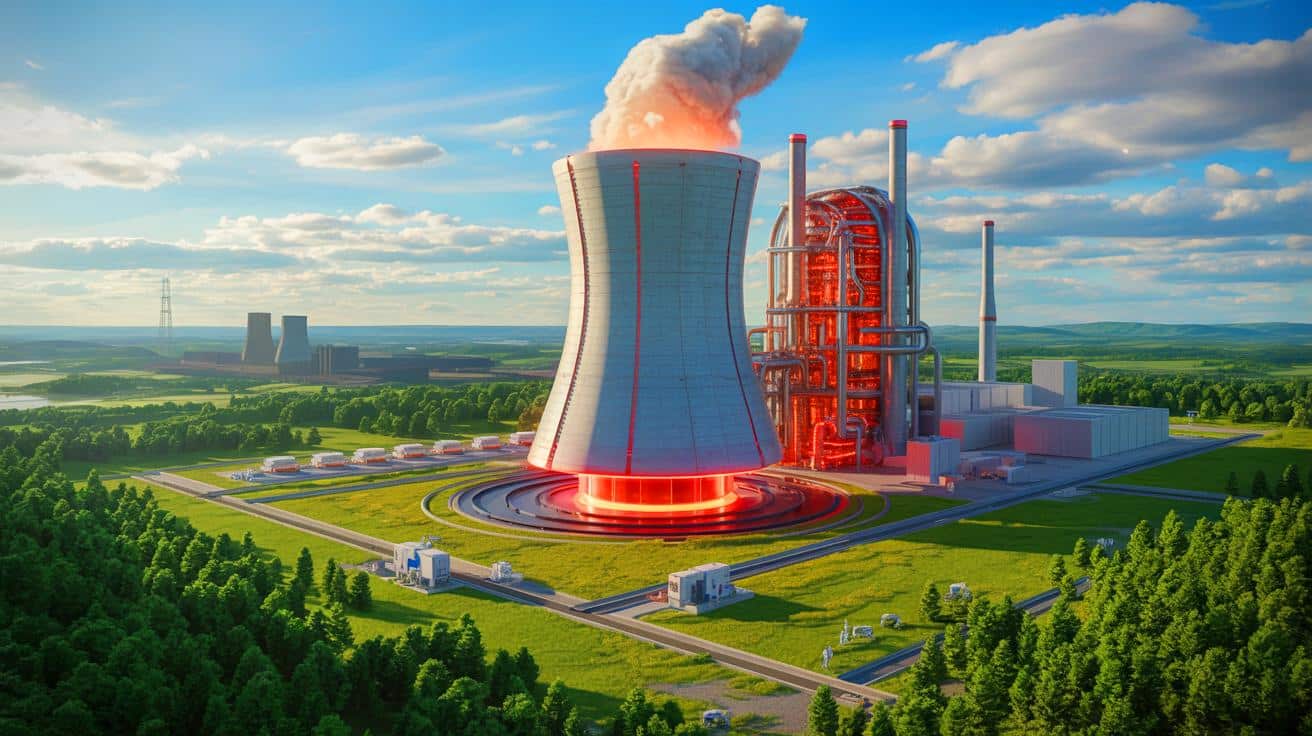
In a groundbreaking move, the United Kingdom has announced a record-breaking investment in nuclear fusion technology, marking a significant pivot towards sustainable energy. The UK government has committed £2.5 billion ($3.4 billion) to develop the world’s first prototype fusion power plant, known as STEP (Spherical Tokamak for Energy Production). This ambitious project will be built on the site of the old West Burton A plant, a former coal power station, symbolizing a transformative shift in the energy landscape. As the country strives to become a “clean energy superpower,” the development promises to create over 10,000 jobs, making a substantial impact on Nottinghamshire’s economic landscape.
Bold STEP Towards Nuclear Fusion
The STEP project represents a bold leap forward in the quest for nuclear fusion energy, a technology that seeks to harness the power of the sun. Paul Methven CB, CEO of UK Industrial Fusion Solutions, emphasized the significance of this move, stating that securing a global lead in such a vital technology requires bold action. The STEP plant aims to achieve this by heating hydrogen gases, specifically deuterium and tritium, to an astonishing 302 million degrees Fahrenheit. These gases will be confined within a powerful magnetic field, allowing the energy released to generate electricity in a manner akin to conventional power plants but without carbon emissions.
This shift is monumental for a region long associated with energy production, following the closure of the Ratcliffe-on-Soar Power Station in 2024. The government’s investment underscores its commitment to fusion as a core component of the future energy mix. As the project unfolds, Nottinghamshire is poised to become a central hub for this new form of energy generation, marking a new chapter in its industrial history.
Global Investment in Fusion Technology
The UK’s investment in STEP is part of a broader global trend towards nuclear fusion technology. Corporations and governments worldwide are increasingly committing resources to this promising energy source. Google, for example, has invested significantly in TAE, a fusion energy firm that recently announced a breakthrough in reactor-readiness for its proprietary technology. In the United States, a team of scientists received a $2.3 million grant to develop next-generation materials vital for commercial fusion power, highlighting the international effort to make fusion energy a reality.
Germany-based Marvel Fusion is also making strides in the field. With a funding boost, Marvel is developing a conceptual design of a fully integrated fusion power plant. Their innovative approach involves using an ultrashort laser pulse to interact with fuel pellets, a method that could potentially unlock new possibilities for energy generation. These global efforts reflect a shared vision of a sustainable energy future, driving innovation and collaboration across borders.
Transforming the Energy Landscape
The transition from fossil fuels to nuclear fusion represents a monumental shift in the energy landscape. By investing in fusion technology, nations are not only addressing the pressing issue of climate change but also setting the stage for a new era of energy independence. Nuclear fusion offers a clean, nearly limitless energy source, making it an attractive alternative to traditional fossil fuels. The technology’s potential to reduce carbon emissions and combat climate change is driving global interest and investment.
The development of fusion power plants like STEP signifies a commitment to sustainable energy solutions. As countries move away from coal and other fossil fuels, the focus on fusion technology highlights a strategic shift towards innovation and environmental responsibility. This transition is not just about energy; it’s about redefining national and global priorities in the face of environmental challenges.
The Future of Energy
The STEP project and similar initiatives worldwide are paving the way for a future where nuclear fusion could become a primary energy source. As research and development continue, the potential for fusion technology to revolutionize the energy sector becomes increasingly apparent. The promise of abundant, clean energy is driving both public and private investment, fueling advancements that could change how we power our lives.
With the world facing growing energy demands and environmental concerns, nuclear fusion offers a beacon of hope. The success of projects like STEP could set a precedent for future developments, encouraging further exploration and investment in this exciting field. As we look to the future, the question remains: how will the global energy landscape continue to evolve in light of these groundbreaking advancements?
Continue reading