



“F-35s Missing From RAF Hangar”: Mysterious Disappearance of Stealth Jets Sparks Security Alert Across UK Airbase
 By
Adam Kovács
By
Adam Kovács
| IN A NUTSHELL |
|
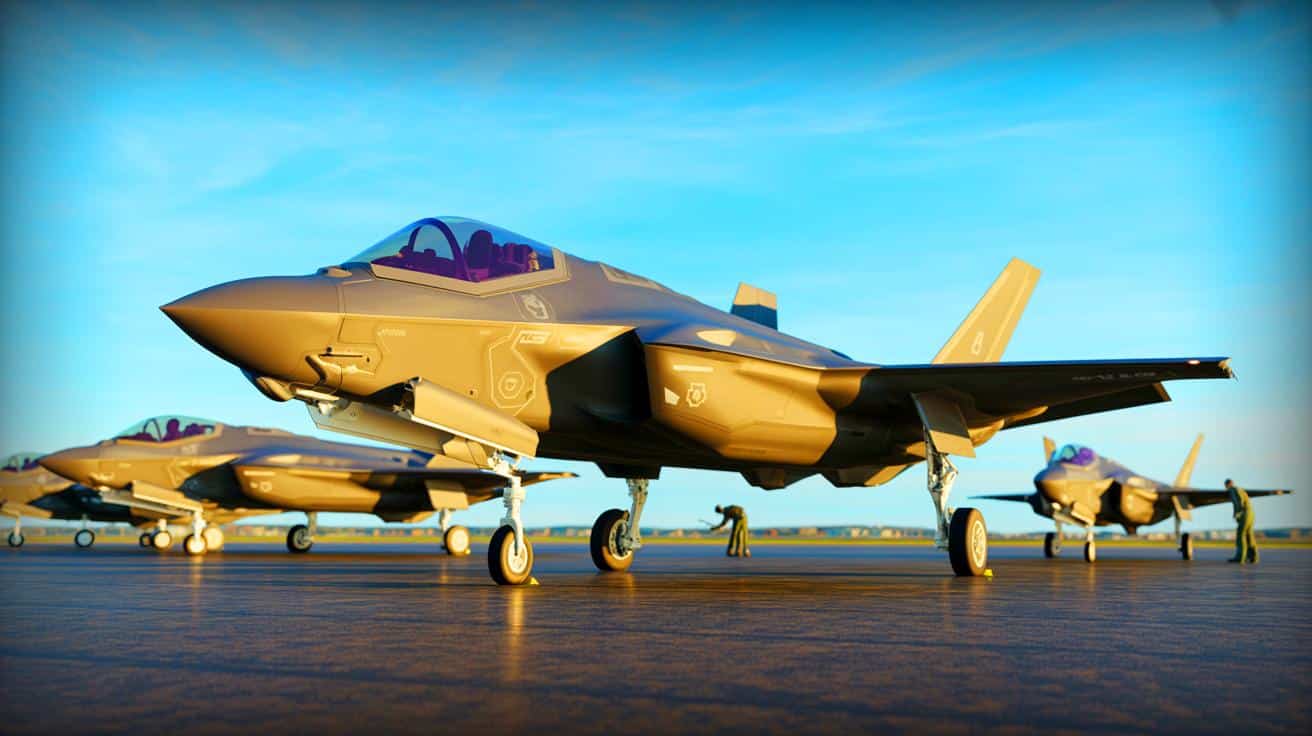
The recent reports of several F-35B Lightning II jets being “unaccounted for” at RAF Marham have stirred quite a bit of curiosity and concern. While the initial reaction might be one of alarm, the Ministry of Defence has assured the public that these events are well understood given the nature of these advanced aircraft. The F-35B, a fifth-generation stealth fighter, is designed with cutting-edge technology that makes it difficult to detect, even when parked on a flight line. This incident, rather than being a cause for panic, highlights the very capabilities that make the F-35B a formidable asset in modern air defense.
The Enigmatic Nature of Stealth Technology
The F-35B Lightning II is a marvel of modern engineering, boasting advanced stealth capabilities that make it almost invisible to radar. This low observability is achieved through its unique design and the use of special coatings, which allow it to operate undetected in hostile environments. The recent incident at RAF Marham underscores just how effective these technologies can be. According to a defense official, the inability to immediately locate the jets during routine checks “proves they’re working perfectly.” The aircraft’s stealth capabilities are not just for combat scenarios; they are always operational, which is why even base personnel might find them challenging to spot on a routine day.
Routine Procedures and Unusual Discoveries
During a standard flight line inspection, discrepancies were noticed between the expected and actual positions of aircraft, prompting an internal review. The base personnel initiated a “focused visual reacquisition procedure”, a methodical process of checking each parking bay and consulting with colleagues. Despite the initial confusion, officials have confirmed that all jets are accounted for on paper. The situation aligns with the intended operational profile of the F-35B, where being undetectable, even when stationary, is an advantage. This incident is not the first of its kind; in 2022, a similar situation occurred when a jet was temporarily “lost” during a training exercise, only to be found under a tarpaulin marked “not an F-35.”
Maintaining Accountability in Stealth Operations
The Ministry of Defence has stated that they are reviewing procedures to ensure aircraft visibility during maintenance without compromising their stealth features. Despite the jets being “unaccounted for” visually, the MOD spokesperson assured, “We are confident the aircraft are present and operating as expected.” The engineers at RAF Marham have reportedly used standard search protocols, such as walking around the flight line and gently tapping the tarmac. This approach might seem rudimentary, but it underscores the peculiar challenges of managing stealth technology. The incident has prompted discussions on how to balance low observability with operational accountability.
The Broader Implications of Stealth in Modern Warfare
The F-35B incident at RAF Marham offers a glimpse into the complexities of modern warfare technology. The ability of these aircraft to remain undetected is a testament to their design and strategic value. Such incidents, while seemingly humorous, highlight the importance of understanding and adapting to the capabilities of fifth-generation fighters. The Ministry of Defence’s handling of the situation reflects a broader confidence in the aircraft’s operational profile. As we advance technologically, the challenges of managing and maintaining stealth capabilities will require ongoing innovation and strategic thinking.
As we reflect on this peculiar incident involving the F-35B Lightning II jets, it’s clear that the boundaries of military technology are constantly being tested and redefined. How will future advancements in stealth technology further transform the landscape of modern warfare, and what measures will be necessary to ensure these advancements are effectively integrated into everyday operations?