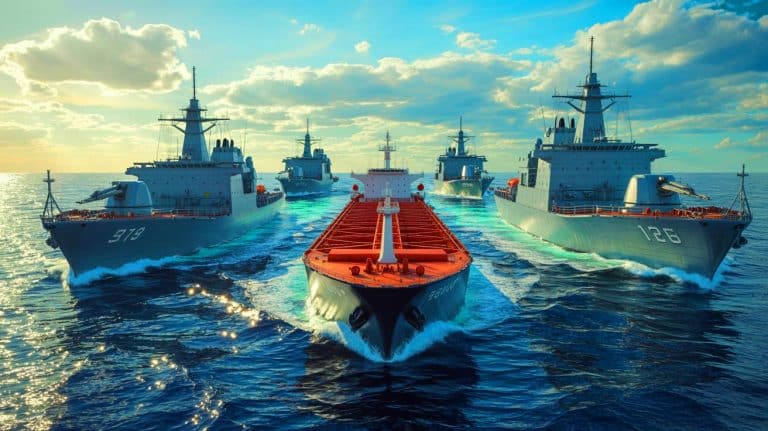



“War Is Now Plug-and-Play”: French Navy Slams Explosive Drone Boat Into Cargo Ship in Live Test That Sparks Global Shock and Fury
 By
Adam Kovács
By
Adam Kovács
| IN A NUTSHELL |
|
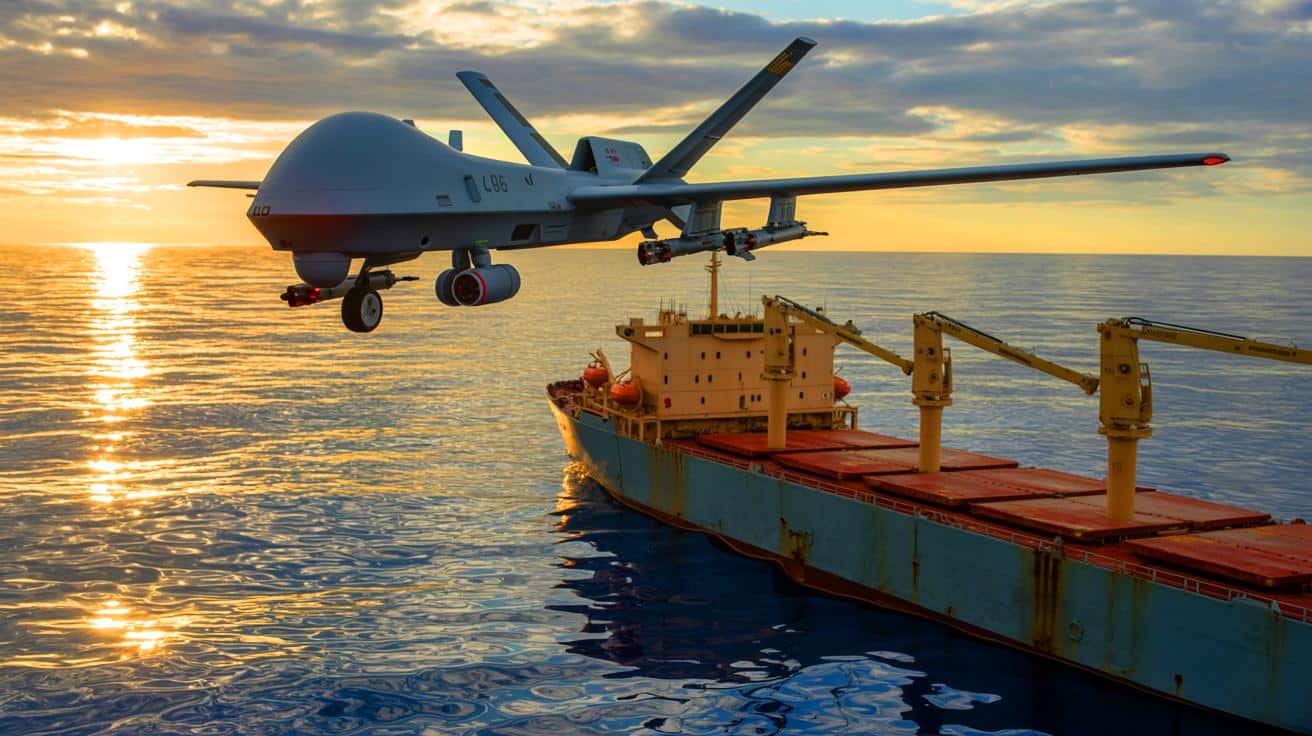
The French Navy has recently embarked on a series of groundbreaking live-fire experiments, pushing the boundaries of modern naval combat capabilities. On April 26, an explosive-laden drone was deliberately rammed into a decommissioned cargo vessel off the coast of Toulon, France. This dramatic test is part of France’s strategic initiative to bolster its naval forces in response to an increasingly unstable international context. France’s move to perfect remotely-operated naval munitions is a clear indication of its commitment to maintaining a robust and adaptable naval presence on the global stage.
The Significance of the Explosive Drone Test
The recent test involving a weaponized unmanned surface vehicle (USV) marks a pivotal moment in naval warfare technology for France. By deploying this drone from a Navy offshore patrol vessel, the French Navy aims to demonstrate its capability to utilize remotely-operated munitions effectively. The Armed Forces Ministry emphasized that such experiments are crucial given the current global security climate. This test not only showcases France’s technological advancements but also highlights the strategic importance of adapting to new forms of warfare.
The choice of an explosive USV for this test was no coincidence. Similar technologies have been instrumental in recent conflicts, such as in Ukraine, where explosive drones have played a crucial role in challenging naval adversaries. France’s initiative reflects a broader trend among global militaries to invest in and experiment with cutting-edge technologies to ensure their forces remain competitive and capable of responding to emerging threats.
30,000-Acre ‘Gothic Fire’ Scorches Military Training Range Near Nevada’s Secretive Area 51
Safety Precautions and Test Execution
Ensuring the safety and integrity of the test was paramount for the French Navy. The target vessel, a decommissioned cargo ship, was meticulously prepared before the test. It was depolluted and stripped of fuels and fluids, significantly reducing environmental risks. Furthermore, the impact zone was fortified with metal plates and tires to act as a shield, minimizing the risk of the vessel sinking.
Despite these precautions, footage released by the Navy suggests the drone may not have struck the intended target area, indicating potential improvements in guidance systems. This aspect of the test underscores the complexity and challenges of deploying such advanced systems in real-world scenarios, providing invaluable data for future enhancements.
Historical Context and Recent Experiments
This explosive drone test is part of a broader series of naval experiments conducted by France. In December, a French Navy nuclear attack submarine successfully fired an F21 heavy torpedo at the decommissioned aviso Premier-Maître L’Her, breaking the hull and sinking the 80-meter vessel. Such exercises not only test the effectiveness of weaponry but also provide critical training for naval crews.
Additionally, in February, the French Navy carried out a shock test on the Lafayette-frigate Courbet. A naval mine was detonated near the sailing vessel, testing its resilience and the crew’s preparedness for sudden, high-stakes situations. These exercises collectively enhance the Navy’s readiness to face unforeseen challenges in turbulent waters.
Global Implications and Future Prospects
France’s commitment to advancing its naval capabilities is indicative of a broader shift in military strategies worldwide. As nations grapple with emerging threats and geopolitical tensions, the need for innovative defense solutions has never been more pressing. France’s initiatives may inspire other countries to pursue similar technological advancements, potentially reshaping the landscape of international naval operations.
Moreover, the success of these experiments could pave the way for expanded use of unmanned and remotely-operated systems across various military domains. As technology continues to evolve, the integration of autonomous systems in defense operations could revolutionize how nations approach security and combat, emphasizing the importance of staying ahead in the technological race.
As the French Navy pioneers these experiments, one must ponder the future of naval warfare. How will these technological advancements influence global security dynamics, and what role will unmanned systems play in shaping the conflicts of tomorrow?
Continue reading