


“Taiwan Builds An Anti-China Wall”: Island Orders Nine More NASAMS Systems While Beijing Watches Its Air Force Become Useless
 By
Adam Kovács
By
Adam Kovács
| IN A NUTSHELL |
|
Taiwan is strategically enhancing its defense capabilities against potential threats from China by planning to acquire additional advanced missile systems from the United States. The National Advanced Surface-to-Air Missile Systems (NASAMS), developed in collaboration with Norway, form the cornerstone of this defensive strategy. With Taiwan’s Ministry of National Defense (MND) considering the purchase of nine more NASAMS batteries, the island aims to establish a comprehensive air defense network. This move reflects Taiwan’s commitment to reinforcing its security amidst rising regional tensions.
Building a Robust Air Defense Network
The decision to expand Taiwan’s arsenal with NASAMS is pivotal in constructing an “air defense wall” across the island. Currently, Taiwan has secured three NASAMS systems, with plans to procure nine additional units. This would enable overlapping coverage, effectively protecting key areas from potential threats such as aircraft and cruise missiles. The integration of these systems signifies a substantial investment in Taiwan’s military infrastructure, reflecting the island’s proactive stance in safeguarding its sovereignty.
Incorporating NASAMS into Taiwan’s defense strategy offers a modular and scalable approach to air defense. These systems are designed to engage multiple targets simultaneously, enhancing their effectiveness in complex threat environments. With a focus on short- to medium-range threats, NASAMS will play a crucial role in Taiwan’s multi-layered defense strategy, addressing both current and future security challenges.
The Technological Edge of NASAMS
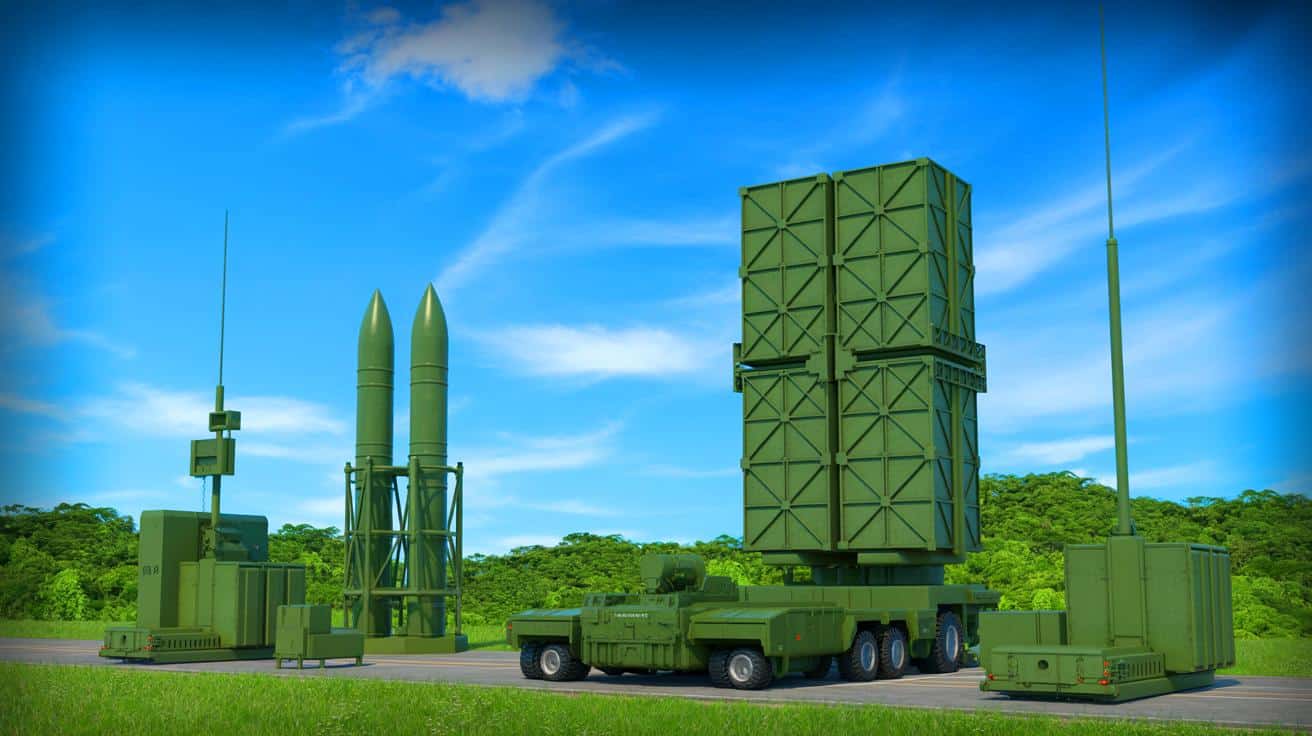
NASAMS is renowned for its network-centric architecture, allowing multiple fire units to operate under a unified command structure. This capability is achieved through a sophisticated communication network that integrates various components, including the Fire Distribution Center, advanced radar systems, and multiple missile launchers. The system’s adaptability is further enhanced by recent upgrades, such as the inclusion of the AMRAAM Extended Range interceptor.
These technological advancements enable NASAMS to engage targets at extended distances and altitudes, providing Taiwan with a significant tactical advantage. The ability to integrate passive detection tools and advanced sensors improves target identification and situational awareness, crucial for responding to dynamic threat scenarios. As Taiwan enhances its air defense network, NASAMS will be instrumental in maintaining a technological edge over potential adversaries.
Strategic Implications for Regional Security
Taiwan’s strategic decision to enhance its air defense capabilities through NASAMS acquisition underscores the island’s focus on countering regional threats. The potential expansion of the NASAMS inventory represents one of the most significant efforts to create a layered defense system. Such measures are critical in deterring aggression and ensuring the security of Taiwan’s airspace.
At the Taipei Aerospace & Defense Technology Exhibition, the MND showcased its commitment to a multi-domain deterrence strategy. This approach emphasizes the integration of local and imported systems to address evolving threats comprehensively. By investing in advanced defense technologies, Taiwan aims to reinforce its position as a resilient and independent actor in the region.
Future Prospects and Challenges
While the proposed expansion of Taiwan’s NASAMS inventory demonstrates a clear commitment to strengthening national defense, it also poses logistical and financial challenges. The successful implementation of this strategy will require meticulous planning and coordination. Moreover, the evolving geopolitical landscape necessitates continuous adaptation and investment in defense technologies.
How Taiwan navigates these challenges will shape its future security posture and regional influence. The island’s strategic decisions will have far-reaching implications for its defense policy and international relations. As Taiwan continues to bolster its defense capabilities, the question remains: How will these developments influence the balance of power in the Asia-Pacific region?
Continue reading