


“Dine Plastic-Free in 60 Days”: Hong Kong Restaurants Revolt Against Plastic Waste with Radical Trials Sparking Global Curiosity
 By
Adam Kovács
By
Adam Kovács
| IN A NUTSHELL |
|
In recent years, Hong Kong has taken significant strides toward addressing its environmental challenges, particularly in the realm of single-use plastics. The city has been at the forefront of implementing measures to reduce plastic waste, with a focus on large-scale initiatives involving businesses and consumers alike. As the government plans to expand these efforts, the next two months are poised to be crucial. Restaurants across the city may soon begin experimenting with alternative materials for food containers, marking the second phase of a comprehensive plan to eliminate disposable plastics. This pivotal stage aims to gather feedback from industry stakeholders, paving the way for a sustainable future.
The First Phase of Hong Kong’s Plastic Ban
Hong Kong’s journey toward a plastic-free environment began with the first phase of its ambitious ban on single-use plastics, introduced in April last year. This initial phase targeted a range of disposable plastic products, including polystyrene tableware, straws, stirrers, and cutlery. Under this legislation, businesses were prohibited from offering these items for both takeaway and dine-in services. Additionally, hotels were barred from providing single-use plastic items such as toothbrushes, shower caps, and bottled water free of charge.
The implementation of this phase was a significant step toward reducing the environmental impact of plastic waste in the city. By targeting common everyday items, the government aimed to foster a culture of sustainability among residents and businesses. The ban not only raised awareness about the detrimental effects of plastic but also encouraged the use of more eco-friendly alternatives. The success of this phase has set the stage for further action, as authorities now look to expand their efforts to include a wider range of products.
Exploring Alternatives: The Second Phase
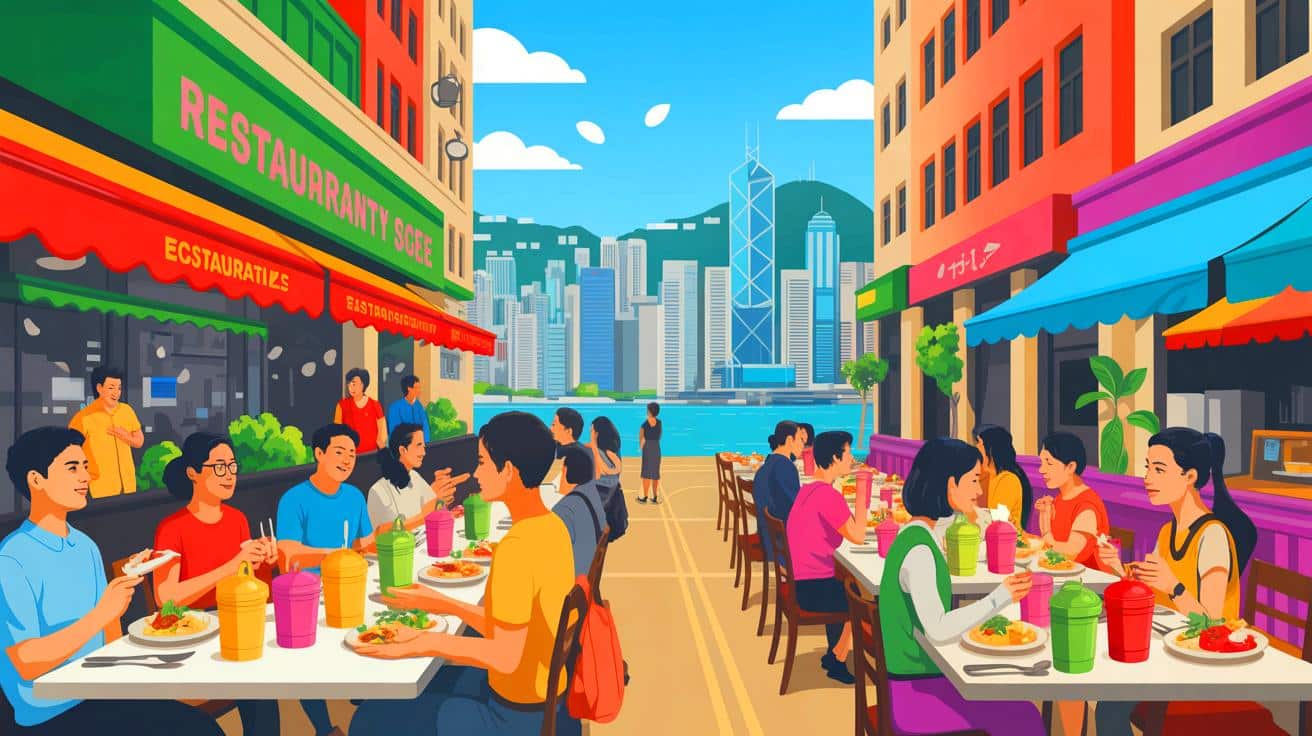
As Hong Kong moves into the second phase of its plastic reduction strategy, the focus shifts to exploring alternatives to single-use plastic food containers. Secretary for Environment and Ecology Tse Chin-wan recently announced plans to conduct a large-scale trial involving over 100 types of plastic alternatives. This initiative aims to identify which materials work best in terms of functionality and environmental impact.
The trial will involve collecting feedback from restaurants and businesses, which will be crucial in determining the feasibility of these alternatives. This feedback loop also extends to suppliers, who will be encouraged to improve their products based on the insights gathered. The second phase represents a critical juncture in Hong Kong’s environmental policy, as it seeks to balance the needs of the business sector with the imperative of sustainability. By focusing on practical solutions, the government hopes to lead the city toward a future where plastic waste is significantly minimized.
Impact on the Business Sector
The introduction of a comprehensive ban on disposable plastics will inevitably have implications for Hong Kong’s business sector, particularly the hospitality industry. Restaurants and hotels will need to adapt to new regulations, which will involve sourcing and implementing alternative materials for everyday operations. While this transition may pose challenges, it also presents opportunities for innovation and growth within the industry.
Businesses that embrace sustainable practices are likely to gain a competitive edge, appealing to environmentally conscious consumers who prioritize eco-friendly options. Moreover, the shift toward alternatives could drive the development of new products and materials, spurring advancements in the field of sustainable packaging. As Hong Kong navigates this transition, collaboration between the government, businesses, and consumers will be essential to achieving the desired outcomes. The business sector’s role in this initiative underscores the importance of a collective effort in addressing environmental issues.
Future Prospects and Global Implications
As Hong Kong continues to push forward with its plastic reduction plan, the city sets a precedent for other regions grappling with similar environmental challenges. The success of this initiative could have far-reaching implications, serving as a model for global efforts to reduce plastic waste. By demonstrating the viability of large-scale plastic bans and the adoption of alternative materials, Hong Kong has the potential to inspire cities worldwide to take similar action.
Looking ahead, the city’s commitment to sustainability will require ongoing innovation and adaptation. The outcome of the upcoming trials will play a pivotal role in shaping future policies and regulations. As the world watches Hong Kong’s progress, one key question remains: How will other cities and countries respond to the challenge of plastic waste, and what lessons can they learn from Hong Kong’s experience?