
Indonesia’s haze has sickened 175,000 people as El Niño fuels its worst fire season since 2015
The WMO expects the record El Niño to last into 2027, while Indonesian fires, eastern Pacific hurricanes and a patchy monsoon already mark the weather.
 By
Katharina Brenner
In brief
- Indonesia is in its worst wildfire season since 2015, with at least 895,657 hectares burned since January.
- The eastern Pacific has logged 22 named storms, while the Atlantic has produced a single hurricane.
- India’s monsoon rainfall is 13% below average, and scientists say El Niño may not be the only factor.
- The western Pacific has seen 10 tropical cyclones, the most in a season since 1966.
The World Meteorological Agency says the record-breaking El Niño will strengthen further and persist until at least 2027, according to a BBC review published on 19 October. The phenomenon has been building for several months, and droughts, floods and heatwaves have already been reported in countries including Indonesia, India and the United States.
Indonesia’s fires and a haze that reaches children
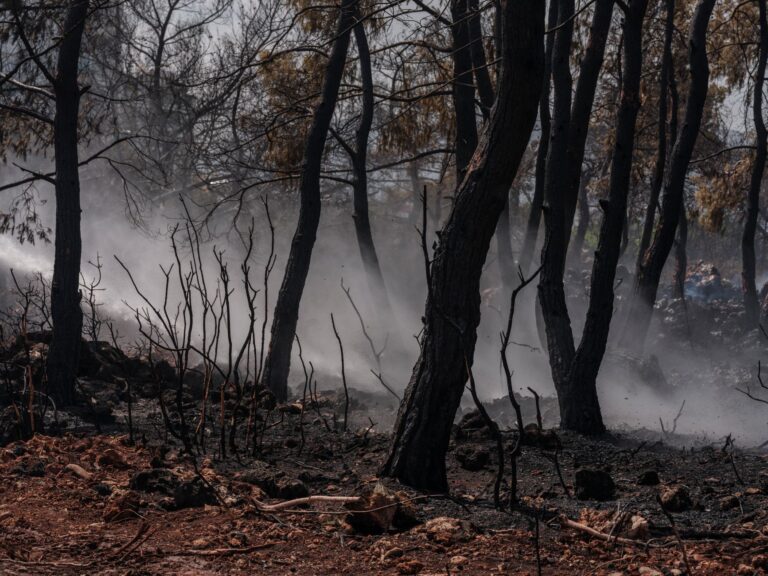
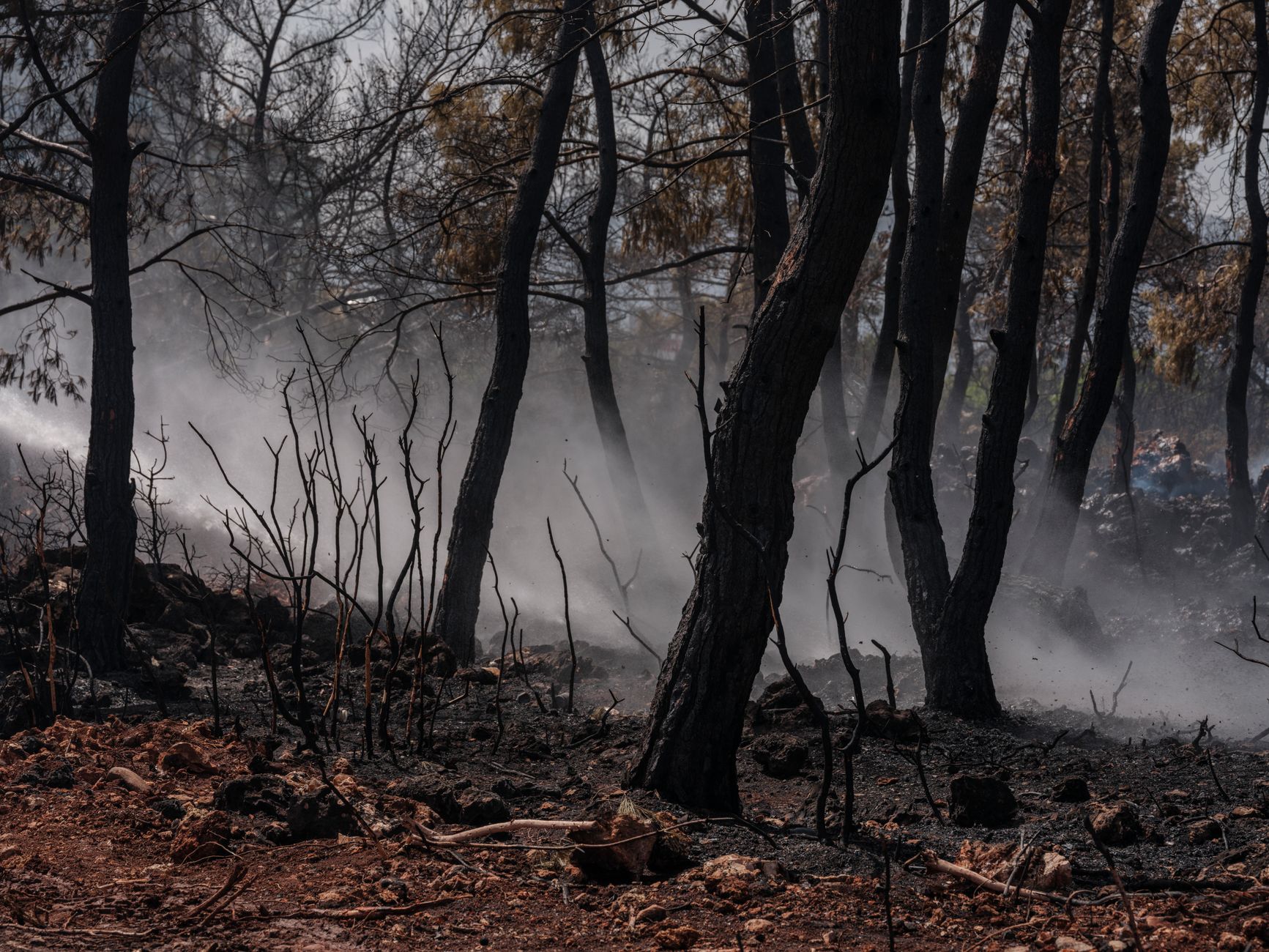
Indonesia typically turns drier and hotter in El Niño years, and it is now fighting its worst wildfire season since 2015. The scale is easiest to grasp in numbers.
The burned area is nearly six times the size of Greater London, and last year’s smaller toll came without any El Niño influence. The fires have closed schools and pushed up hospital admissions. Millions of people in Sumatra and Kalimantan have breathed toxic haze. Among the sick toddlers, conditions range from coughs and bronchitis to pneumonia.
A hyperactive eastern Pacific, a quiet Atlantic
El Niño pulls storm activity in opposite directions on either side of the Americas. In the eastern Pacific it supplies warmer seas and weaker winds high in the atmosphere, which makes it easier for storms to build strength. In the north Atlantic it tends to raise wind shear, which tears storms apart and limits their formation.
Eastern Pacific
22 named storms and 12 hurricanes, 10 of them major, already above a full average season with two months left.
Atlantic
Eight tropical storms and one hurricane, Isaias, where an average season would have 10 named storms, five hurricanes and two major hurricanes by now.
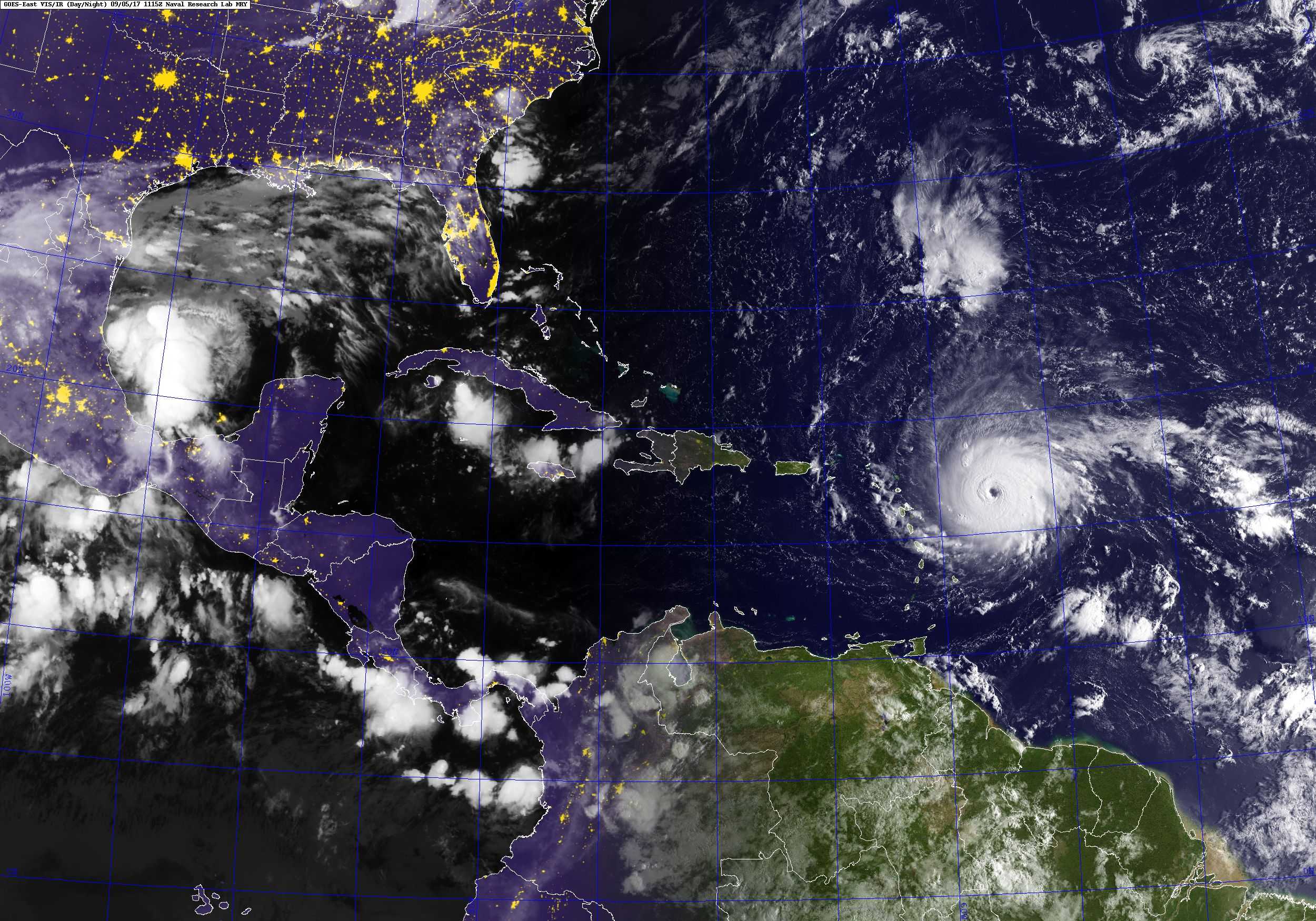
Hurricane Polo rapidly intensified and produced gusts of 180 mph (285 kmh), fuelled by very warm water. It spun alongside Odalys and Nolo, three hurricanes at once. Earlier in September, Lowell, Karina and Marie had done the same across the central and eastern Pacific, something not seen since 2015.
Isaias made landfall in the Florida Panhandle and Alabama. It is the latest-forming hurricane of the satellite era, which dates from the 1960s. The previous record was 11 September, set in 2002 and 2013.
India’s uneven monsoon
Monsoon rainfall in India has been 13% below average, a shortfall the Indian Meteorological Department still counts as within the normal range. The national figure hides sharp differences. Central India received roughly its usual rain, while the east and north-east were about 26% drier and classed as being in exceptional drought. Southern states were 24% drier.
Even where totals came closer to average, the rain did not fall steadily as it normally does in a monsoon. It flipped between long dry spells and extreme downpours, adding stress to farm yields. Scientists point out that several weather patterns shape India’s monsoon, so El Niño may not have been the only factor.
Typhoons in the western Pacific
Further west, eastern China and Japan have had an active season. Storms including Maysak and Dujuan have brought widespread floods and landslides. The Japanese Meteorological Agency counts 10 tropical cyclones in the western Pacific, the highest number in a season since 1966.
During El Niño, the warmer Pacific shifts wind patterns so that cyclones tend to form further east, away from Japan and eastern China. That gives them more distance and time over warm water to gain energy before reaching land. Scientists believe additional typhoons are likely to develop this year, with potential for further impacts on Japan or eastern China.
Photo: Engin Akyurt / Pexels