



“Mental Decline In Command Is A National Threat”: Experts Warn About Dementia And Depression Risks
 By
Adam Kovács
By
Adam Kovács
| IN A NUTSHELL |
|
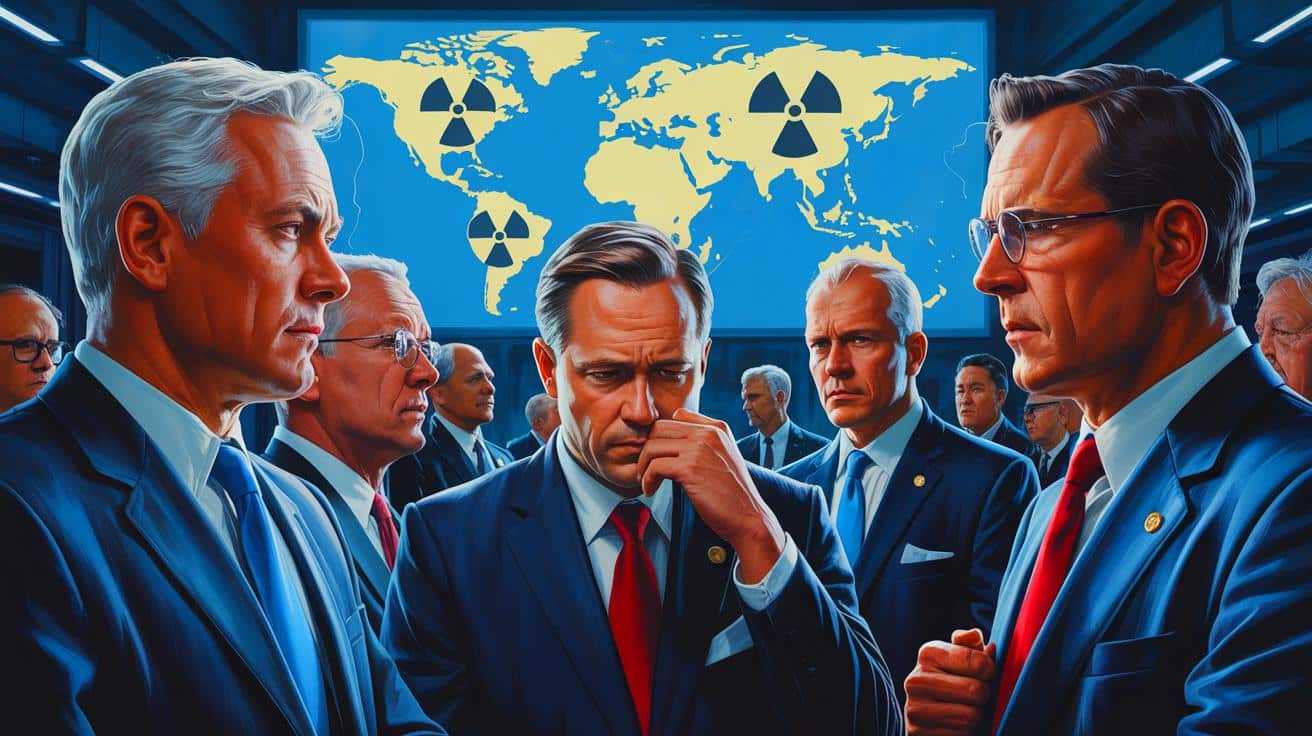
The intersection of global leadership and health is gaining increased scrutiny following a groundbreaking study that exposes the vulnerabilities of world leaders with access to nuclear weapons. Conducted by the University of Otago, the study reveals that many leaders in nuclear-armed nations have been plagued by serious health issues while in power. These conditions, ranging from dementia to addiction, raise concerns about the potential impact on decision-making during critical moments. The findings underscore the urgent need for institutional safeguards to prevent catastrophic errors in judgment, sparking debate on how best to address these challenges.
Nuclear Powers and Unfit Leaders
A recent study by the University of Otago highlights a disturbing trend among leaders of nuclear-capable nations. The research delves into the medical histories of 51 deceased leaders from countries with nuclear arsenals, revealing that many suffered from significant health problems during their tenure. These issues likely impacted their ability to make sound decisions, especially concerning nuclear launch codes.
The study examined leaders from countries like China, France, India, Israel, North Korea, Pakistan, Russia, the United Kingdom, and the United States. Eight of these leaders died in office due to chronic illnesses, while others succumbed to heart attacks or strokes. The research uncovered a prevalence of conditions such as dementia, depression, and substance abuse.
The research team, led by Professor Nick Wilson, emphasized the importance of understanding how these health issues may have compromised global security. Wilson noted that 15 leaders who left office alive displayed confirmed or likely health conditions, which may have contributed to their departure. The study raises questions about the adequacy of current systems in place to assess the health of those in positions of immense power.
Strokes, Depression, and Drinking in Office
Health impairments among political leaders have had profound effects on their performance, as demonstrated by the study’s findings. The research uncovered cases where leaders’ abilities were severely compromised by their health conditions. For instance, Israeli Prime Ministers Ariel Sharon and Menachem Begin experienced significant impairments due to a stroke and severe depression, respectively.
Even U.S. President Richard Nixon was not immune, with his heavy drinking episodes during crucial moments, including a nuclear crisis, casting doubt on his decision-making capabilities. The study suggests that the transparency of health information is critical, as certain leaders’ health conditions were concealed from the public. Such secrecy poses significant risks, given the immense responsibilities these individuals hold.
Professor Wilson emphasized that the concealment of health information is a recurring theme, with historical examples illustrating the potential consequences. The research underscores the necessity for greater transparency and accountability in leadership health matters.
U.S. Presidents and Secret Diagnoses
The study reveals that several U.S. Presidents have had their health issues hidden from the public eye. For example, Dwight D. Eisenhower’s heart attack was initially downplayed as a digestive upset. Similarly, John F. Kennedy’s aides concealed his Addison’s disease, a chronic condition that likely affected his performance during key moments.
Ronald Reagan’s administration also obscured the extent of his injuries and potential dementia symptoms later in his term. These instances highlight the potential risks associated with a lack of transparency about a leader’s health, especially when nuclear decision-making is involved.
The study’s authors argue that Kennedy’s health issues, combined with the pressures of his presidency, may have impaired his judgment during significant events such as the Bay of Pigs invasion and the Cuban Missile Crisis. These revelations raise questions about the adequacy of existing protocols to ensure that leaders are fit for duty, particularly in nuclear-armed nations.
Leadership Reforms and Mental Health Checks
The study advocates for a series of reforms to address the potential risks posed by leaders with compromised health. Among the proposed measures are introducing term limits and recall systems, allowing voters to petition for the removal of unfit leaders. Additionally, implementing medical and psychological assessments before and during a leader’s term could help identify potential issues early.
Professor Wilson suggests that maintaining a robust media presence with investigative journalism can play a vital role in exposing health impairments in leaders. The study also highlights the high levels of stress faced by politicians, which can negatively impact their mental well-being.
A study of UK Members of Parliament found they were significantly more likely to experience mental health problems compared to other high-income earners. The research underscores the importance of providing better mental health support to politicians, which can ultimately enhance global security.
Reducing Risk Through Better Mental Health Support
Addressing the mental health needs of political leaders is crucial for reducing global security risks. By implementing measures to alleviate stress and promote mental well-being, countries can ensure that their leaders are better equipped to handle the demands of their roles. Such support can help mitigate the impact of health impairments on decision-making, particularly in nations with nuclear capabilities.
By prioritizing mental health and implementing robust checks and balances, nations can safeguard against the potential consequences of unchecked authority. As the world grapples with growing geopolitical challenges, these measures could prove essential in maintaining global stability.
The study raises important questions about the future of global leadership: How can nations effectively balance the need for transparency and accountability with the demands of political leadership?
Continue reading