


Carney backs “associate membership” of the EU for Canada, a status no country holds and Berlin resists
After talks in Montreal with Ursula von der Leyen and Antonio Costa, the Canadian prime minister told DW why Ottawa wants the closest possible EU partnership short of accession, and what he thinks it cannot replace.
 By
Adam Kovács
In brief
- Mark Carney spoke to DW after talks in Montreal with EU leaders on a closer Canada-EU partnership.
- Ursula von der Leyen floated “associate membership”, a status no other country holds; Friedrich Merz’s government resists the label.
- Carney named space technologies, artificial intelligence and critical minerals as areas for expanded cooperation.
- He says diversifying away from the United States is needed, yet admits its weight would be very hard to replace.
Canadian Prime Minister Mark Carney used a DW interview on Friday to explain why Ottawa wants a much closer relationship with Brussels, speaking after talks in Montreal with EU leaders on the details of a new partnership.
Montreal talks and a stated lesson from Washington
An EU delegation led by Commission President Ursula von der Leyen and European Council President Antonio Costa met Carney and other Canadian officials in Montreal. Carney then spoke to DW’s Katharina Kroll at Port of Montreal Tower. According to DW, he said Canada is seeking closer EU ties to “diversify and deepen” partnerships beyond the Americas.
The backdrop is a difficult negotiation with the United States, Canada’s biggest trading partner. Carney put the conclusion in blunt terms: “The lesson we’ve taken, Canadians as a whole, is we’re overdependent on the United States. Too closely connected to the United States.”
What “associate membership” would mean
Von der Leyen has floated the idea of an “associate membership”, a status that does not yet exist for any other country. The German government of Chancellor Friedrich Merz resists creating the label. Carney appeared to speak in its favour, noting that both von der Leyen and Canada use the term.
Carney defined it this way: “It means the closest possible partnership without being a full member of the European Union, because Canada is not in Europe geographically and therefore cannot have accession.”
Asked whether he was building a “new transatlantic bloc without the US”, he said the aim was to diversify and deepen Canada’s other partnerships, not to shut out its largest trading partner. “It’s not against somebody. It’s for. It’s a positive act,” he said, adding that the message was also meant for the Trump White House.
Building on existing ties, reaching into new fields
Carney pointed to cooperation already in place and to areas where the two sides could go further.
| Already in place | Could expand |
|---|---|
| The Comprehensive Economic and Trade Agreement (CETA), which he called “one of the most successful free trade agreements in the world” | Space technologies |
| Research cooperation through Horizon Europe | Artificial intelligence |
| Student exchanges through Erasmus+ | Critical minerals |
He added that Canada and the US are close partners and NATO allies with many opportunities to cooperate, but that in many cases cooperation between Canada and Europe would be much deeper than with the United States.
Dealing with Trump
Asked about the best approach to Donald Trump, Carney said it was to be direct and absolutely clear about bottom lines, to show respect, and to keep bringing the negotiations back to the core issues. He said the bonds between Canadians and Americans are strong and that big elements of them will be maintained regardless of who governs in either country.
The case for diversifying: Carney says tensions with Trump showed the need to seek Canada’s other most natural partners around the world.
The limit: he acknowledged that “the scale of the relationship with the United States” would be “very hard to replace”.
Pressed on whether the talks with Brussels could expose Canada to further tariffs or punitive measures, he answered: “We’ve been living with this for some time.” He said the US has offered many justifications for trade action against Canada, and that Canada considers all of them unjustified under its trade agreement.
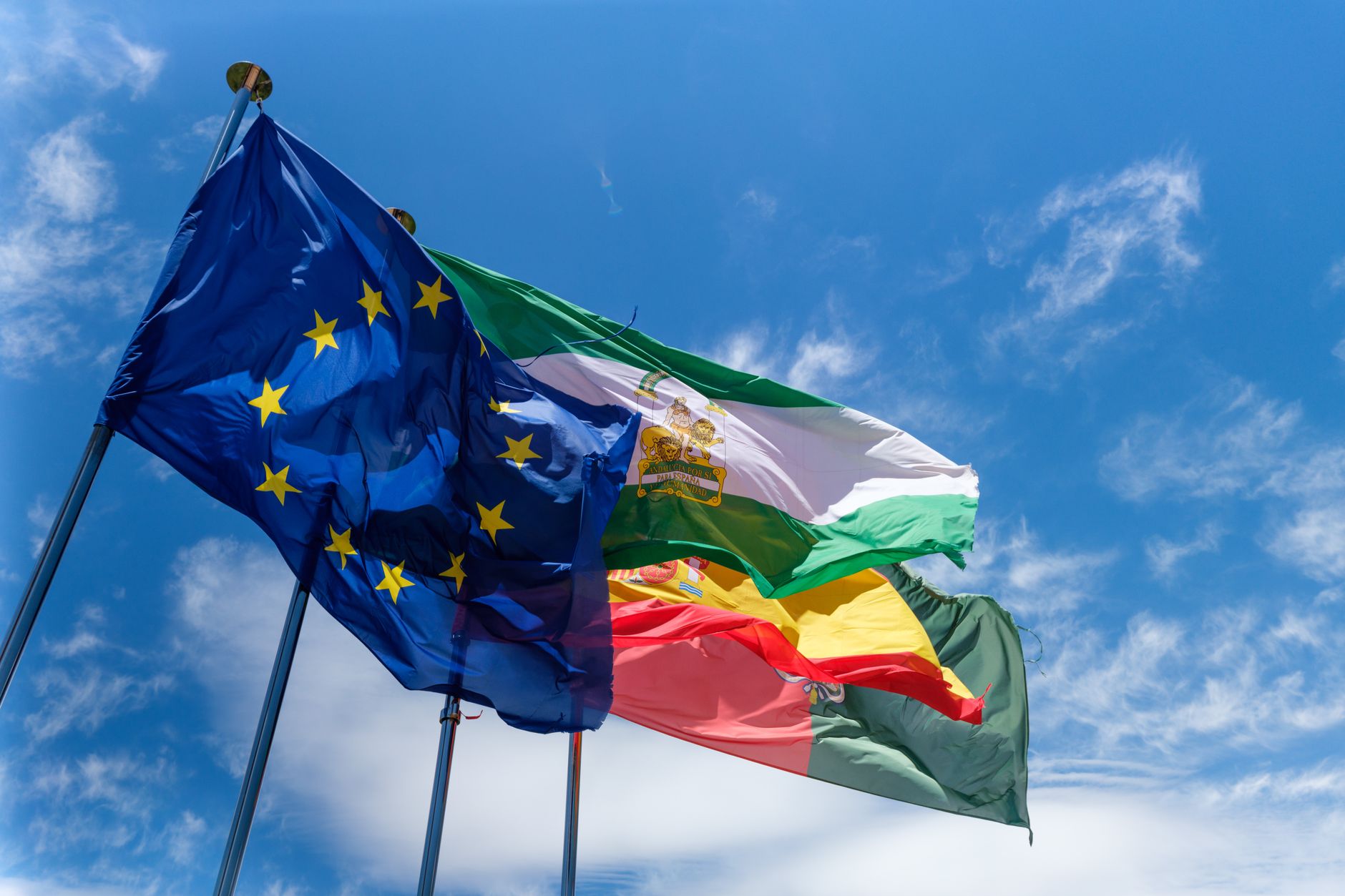
Photo: IslandHopper X / Pexels