



“Cold War Ghost Still Rules the Skies”: U-2 Dragon Lady Marks 70 Years With Record Flight Across the US
 By
Adam Kovács
By
Adam Kovács
| IN A NUTSHELL |
|
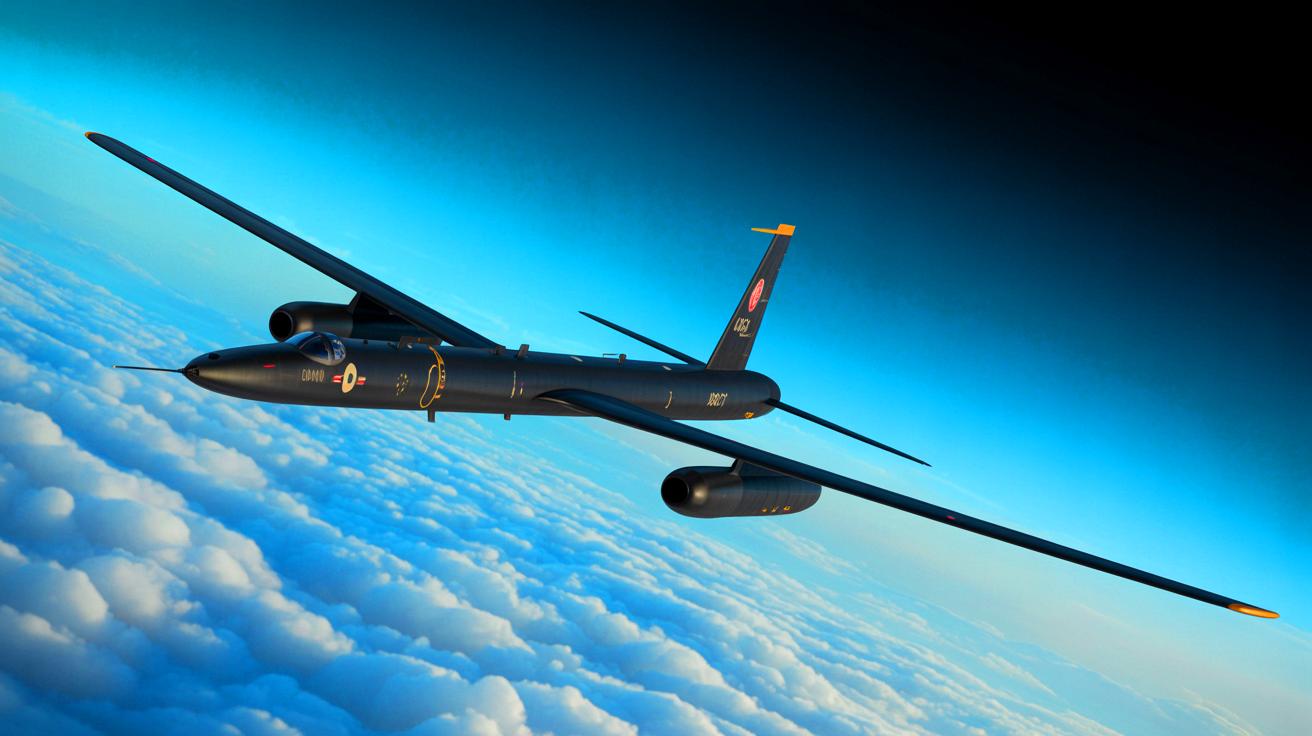
The U.S. Air Force recently commemorated the 70th anniversary of the iconic U-2 Dragon Lady spy plane, not with a traditional celebration, but by setting remarkable endurance records. This aircraft, which first took flight during the tense Cold War era, has now achieved new heights in both duration and distance. The U-2 remains an emblem of American ingenuity and resilience, continuing to play a significant role in military reconnaissance despite the advent of advanced satellite technology. This milestone flight highlights the U-2’s enduring legacy and the Air Force’s commitment to maintaining its operational capabilities.
The Origins of the U-2 Spy Plane
Born in the midst of the Cold War, the U-2 Dragon Lady was a response to the urgent need for intelligence on Soviet activities. As tensions between the East and West escalated, the United States found itself in a precarious position. The Soviet Union’s expansionist policies and nuclear advancements posed significant threats. In response, President Eisenhower authorized the development of a high-altitude reconnaissance aircraft to gather crucial intelligence.
The U-2 was a revolutionary design, crafted not as a modified bomber but as a purpose-built surveillance aircraft. Its long, narrow wingspan and lightweight structure allowed it to soar at altitudes exceeding 70,000 feet. This capability enabled it to evade enemy radar and capture detailed images of Soviet installations. The U-2 provided invaluable insights, debunking Soviet claims of military superiority and offering the U.S. a strategic advantage during a critical period.
Historical Impact and Crises
Throughout its storied history, the U-2 has played a pivotal role in international affairs. One of the most notable incidents occurred in 1960 when a U-2 piloted by Gary Powers was shot down over Soviet airspace. This incident led to a diplomatic crisis, highlighting the risks associated with espionage missions. However, it also reaffirmed the importance of the U-2 in gathering intelligence in an era when satellite technology was still in its infancy.
The U-2’s reconnaissance capabilities were further underscored during the Cuban Missile Crisis in 1962. U-2 flights revealed the presence of Soviet missiles in Cuba, prompting a tense standoff between the U.S. and the Soviet Union. The intelligence gathered by the U-2 played a crucial role in resolving the crisis peacefully, preventing potential nuclear conflict. These historical events showcase the aircraft’s significant contributions to global security.
Modern Achievements and Records
Despite the passage of time, the U-2 continues to set new records and demonstrate its capabilities. In July 2025, a training version of the aircraft, the TU-2S, embarked on a record-breaking flight from Beale Air Force Base in California. Piloted by Cory “ULTRALORD” Bartholomew and Lieutenant Colonel “JETHRO,” the aircraft achieved the longest-ever flight for the model, covering over 6,000 nautical miles across the continental U.S.
This achievement was not only a testament to the aircraft’s endurance but also to the pilots’ resilience. The flight required meticulous planning and coordination, including route selection, emergency landing preparations, and navigating complex airspace. The U-2’s ability to continue pushing boundaries underscores its enduring relevance in modern military operations.
The Future of the U-2 and Its Legacy
As the U-2 approaches retirement, its legacy remains firmly intact. The aircraft’s contributions to intelligence gathering and global security have left an indelible mark on history. While modern technology, including advanced satellites and unmanned aerial vehicles, offers new reconnaissance capabilities, the U-2’s unique attributes continue to be valued by military strategists.
Looking ahead, the U-2’s legacy will be remembered not only for its technological achievements but also for the bravery of the pilots who flew it. Their dedication and skill ensured the aircraft’s success and cemented its place in aviation history. As the U.S. Air Force explores new technologies and strategies, the lessons learned from the U-2 will undoubtedly inform future developments in reconnaissance and intelligence operations.
The U-2 Dragon Lady has proven its worth time and again since its inception in the Cold War era. Its recent record-breaking flight is a testament to its enduring capabilities and the dedication of the U.S. Air Force. As the world evolves and new challenges emerge, how will the legacy of the U-2 influence the future of military reconnaissance and intelligence gathering?
Continue reading