



“Thailand Buys China’s Attack Submarine”: Defense Betrayal Terrifies Washington While Asian Alliances Collapse
 By
Adam Kovács
By
Adam Kovács
| IN A NUTSHELL |
|
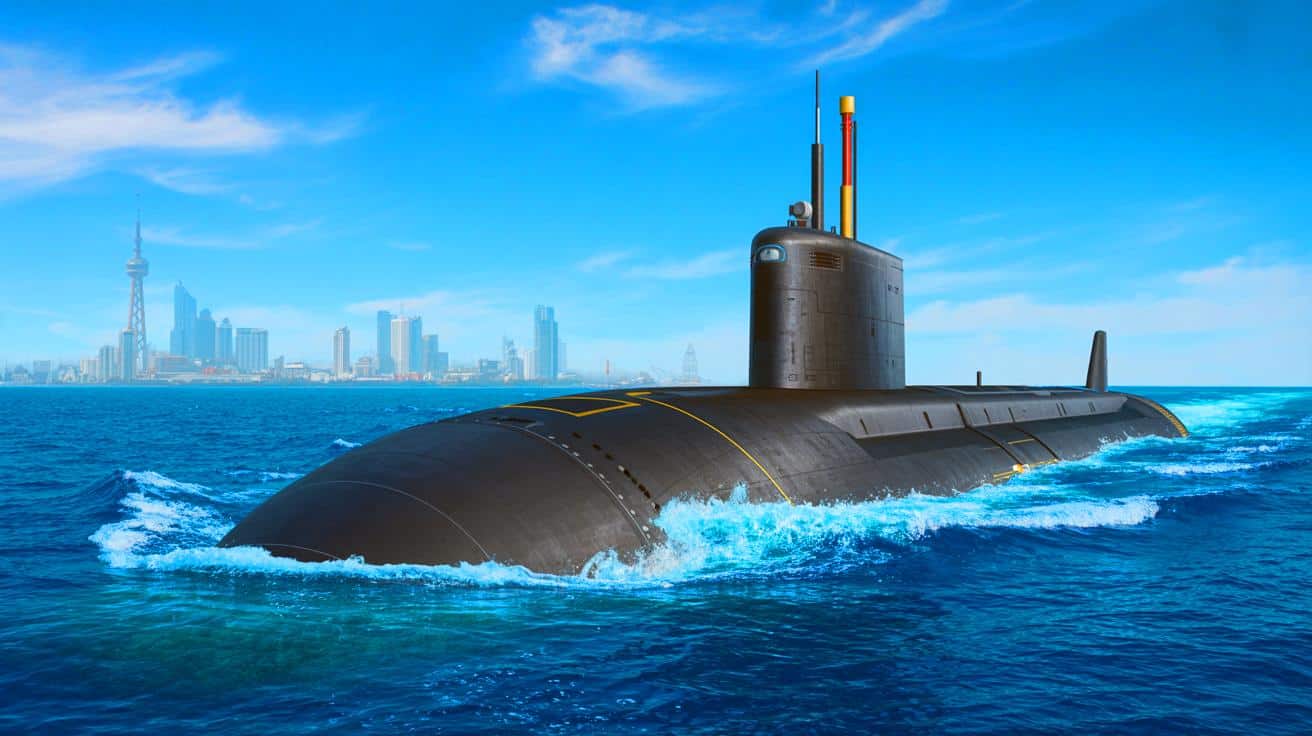
Thailand’s decision to procure a Chinese-built Type 039A submarine signifies a pivotal moment in regional geopolitics. As one of the United States’ oldest allies in Asia, Thailand has historically been a steadfast partner to Washington. The recent submarine deal with China, however, introduces a layer of complexity to this relationship. While the United States remains a crucial ally, Thailand’s military procurement from China is seen as a move towards strategic autonomy. This shift is emblematic of Thailand’s desire to balance its international relations amid growing tensions between major global powers.
Thailand’s Strategic Autonomy
The decision for Thailand to purchase a Chinese submarine is a bold statement of independence. Historically, Thailand has been a key ally of the United States, serving as a crucial staging ground during the Vietnam War and being designated a major non-NATO ally in 2003. However, the purchase indicates a shift in Thailand’s foreign policy strategy. Analysts suggest this is not a sign of Thailand abandoning its alliance with the U.S., but rather a demonstration of its intent to establish strategic autonomy.
In recent years, the dynamics of international alliances have evolved, and Thailand’s actions reflect its desire for flexibility. The 2014 coup in Thailand and the subsequent U.S. criticism and freezing of military aid have necessitated a reevaluation of Thailand’s defense procurement strategies. By engaging with China, Thailand is seeking to diversify its defense partnerships and avoid over-reliance on a single superpower. This move is also seen as a hedge against geopolitical uncertainties, allowing Thailand to navigate its position between two competing powers.
China's Role as an Arms Exporter
The sale of the submarine to Thailand underscores China's emergence as a significant player in the global arms market. China has become the fourth-largest arms exporter, trailing only the U.S., Russia, and France. Selling sophisticated military equipment such as submarines to traditional U.S. partners illustrates China's growing influence in the defense sector. This deal with Thailand is indicative of China's broader strategy to expand its reach and assert its presence in the Indo-Pacific region.
For China, such deals are not merely commercial transactions; they are strategic maneuvers to strengthen ties with key regional players. By providing advanced military technology, China is able to foster closer relationships with countries like Thailand, thereby enhancing its geopolitical clout. This relationship-building through arms sales is a critical component of China's foreign policy, as it seeks to establish itself as a dominant force in international affairs.
Implications for U.S.-Thailand Relations
Despite the submarine deal, the United States has publicly downplayed the significance of Thailand's purchase. A Pentagon official stated, “The Department of War does not comment on the procurement decisions of our allies and partners.” The official emphasized that Thailand remains one of the U.S.'s closest partners in the Indo-Pacific, with a longstanding defense relationship built on mutual trust and shared commitments to regional stability.
However, beneath the surface, there is an acknowledgment that this development necessitates careful monitoring. The U.S. must navigate this evolving landscape with diplomatic finesse, ensuring that its alliance with Thailand remains robust despite Bangkok's growing ties with Beijing. The challenge for Washington lies in maintaining its influence while respecting Thailand's pursuit of strategic autonomy.
The Future of Thai-Chinese Relations
Thailand's submarine purchase is a clear indication of its intent to cultivate a multifaceted foreign policy. By engaging with China, Thailand is attempting to balance its longstanding alliance with the United States while simultaneously exploring new partnerships. This approach reflects a broader trend among Southeast Asian nations, which are increasingly seeking to diversify their international relations to better navigate the complexities of modern geopolitics.
As Thailand continues to strengthen its ties with China, questions remain about the long-term implications for regional stability. Thailand's actions could serve as a model for other countries in the region, potentially leading to a shift in the balance of power in Southeast Asia. The international community will be closely watching how these dynamics unfold, as they will undoubtedly shape the future of the Indo-Pacific region.
Thailand's decision to purchase a Chinese submarine marks a significant moment in its foreign policy evolution. As the nation strives for greater strategic autonomy, it must carefully balance its relationships with both the United States and China. This development raises important questions about the future of alliances in Asia and the potential for a new era of geopolitical realignment. How will Thailand's actions influence other nations in the region, and what will this mean for the future of U.S. influence in Southeast Asia?
Continue reading