



“Air Force Admits Jets Are Obsolete”: Sixth Generation Fighters Use Robot Wingmen While F-22 Raptors Become Scrap Metal
 By
Adam Kovács
By
Adam Kovács
| IN A NUTSHELL |
|
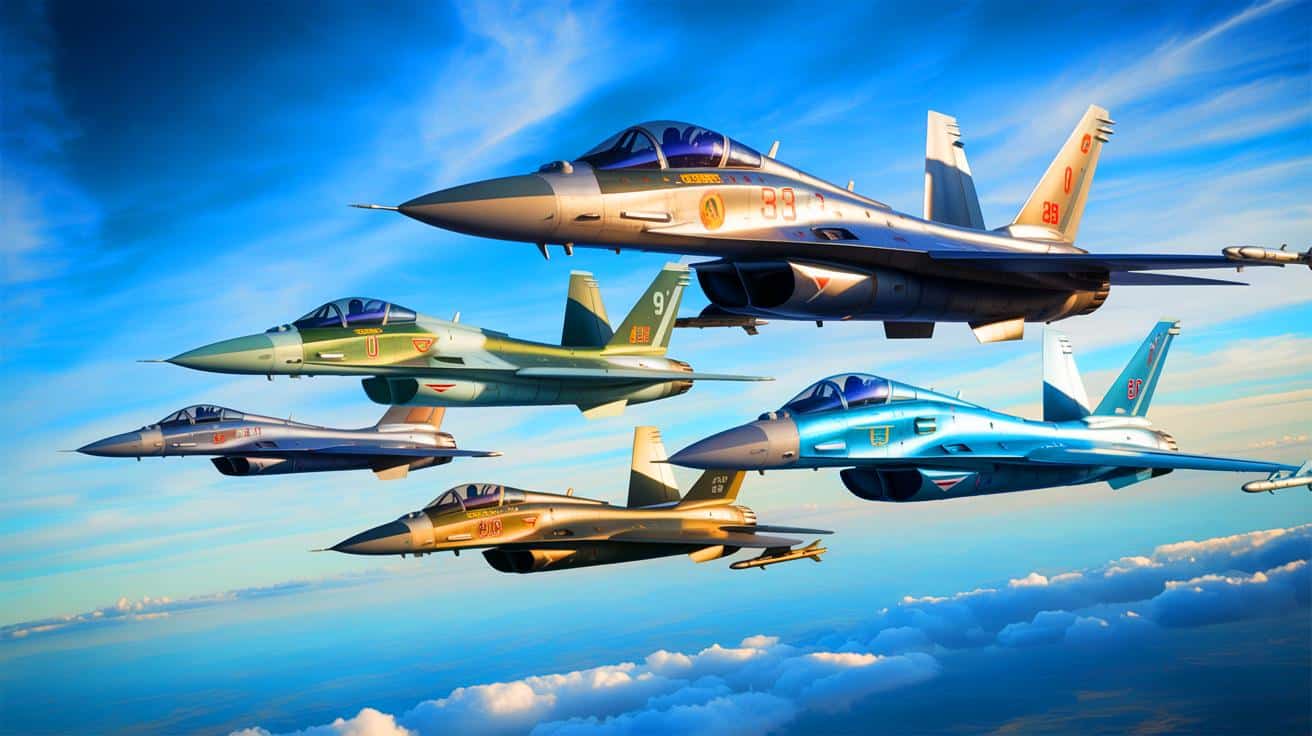
For over eight decades, jet fighters have dominated the skies, marking significant technological advancements across five generations. Each generation has brought unique innovations, shaping the way air combat is conducted. From the early days of jet propulsion to the cutting-edge stealth capabilities of today, the evolution of fighter jets reflects a relentless pursuit of superior speed, agility, and firepower. As nations compete for air superiority, the upcoming sixth-generation fighters promise to redefine air combat once again. This article delves into the historic milestones of each generation and explores what the future might hold for aerial warfare.
The Birth of Jet Fighters: Comets and Shooting Stars
The genesis of jet-powered flight in the United States began during World War II. The Lockheed P-80 Shooting Star emerged as America’s first operational jet fighter. Developed under a veil of secrecy, it marked a departure from propeller-driven aircraft. The P-80, capable of reaching speeds up to 580 mph, was designed to intercept enemy aircraft at high altitudes. Although it saw limited action in World War II, it played a significant role in the Korean War, showcasing the advantages of jet propulsion in combat.
The innovation of the P-80 laid the groundwork for future jet development. Its ability to outpace propeller-driven counterparts highlighted the strategic importance of speed and altitude in achieving air superiority. The era of jets had begun, setting the stage for rapid advancements in aircraft design and technology.
Second Generation: The Missile Era
The introduction of the North American F-86 Sabre marked a pivotal shift in aerial combat. Unlike its predecessors, the F-86 was equipped with air-to-air missiles, changing the dynamics of dogfighting. This advancement, coupled with the jet engine’s capabilities, made the F-86 a formidable opponent in the skies. The Korean War served as a proving ground for these new technologies, with the F-86 achieving numerous victories against Soviet-built MiG fighters.
Missile technology continued to evolve, enhancing the effectiveness of jet fighters. The integration of guided missiles allowed for engagements beyond visual range, reducing the risks associated with close-quarters combat. This technological leap forward established the framework for modern air-to-air combat, where precision and range became paramount.
The Realization of Jet Power: Third Generation
The 1960s and 70s saw the full realization of jet engine capabilities with aircraft like the F-4 Phantom II. This multi-role fighter could perform a variety of missions, from air superiority to ground attack. The F-4’s top speed of 1,711 mph and ability to carry a massive payload revolutionized military aviation. It could carry more munitions than World War II-era bombers, illustrating the incredible advancements in engine and airframe design.
The F-4’s versatility made it a mainstay in the U.S. military, serving in conflicts from Vietnam to the Gulf War. Its success underscored the importance of adaptability in modern warfare, with aircraft needing to perform multiple roles effectively. The era also saw the introduction of electronic warfare capabilities, further enhancing the combat effectiveness of jet fighters.
Stealth and Beyond: The Fifth Generation
The advent of stealth technology in the 1980s marked another transformative period in fighter development. The F-117 Nighthawk was the first operational aircraft to incorporate radar-evading features, enabling it to conduct precision strikes with minimal detection risk. Stealth technology became a cornerstone of fifth-generation fighters, such as the F-22 Raptor and F-35 Lightning II, which combined stealth with advanced avionics and sensors.
These aircraft represented a significant leap forward in air combat capabilities, emphasizing information superiority and network-centric warfare. The integration of stealth, supercruise, and advanced radar systems allowed fifth-generation fighters to dominate the skies, ensuring air superiority in contested environments. The ongoing development of these technologies continues to influence the design of future aircraft.
The Future: Sixth-Generation Fighters
As global tensions rise, the race to develop sixth-generation fighters has intensified. The U.S. Air Force and Navy are spearheading efforts to create next-generation air dominance platforms. These aircraft are expected to feature revolutionary technologies, including adaptive engines, advanced avionics, and autonomous systems. The integration of unmanned “wingmen” alongside manned fighters is also being explored, potentially transforming the conduct of aerial warfare.
The sixth-generation fighters aim to address emerging threats and maintain technological superiority. With the potential to operate in diverse environments across vast distances, these aircraft will play a critical role in future military operations. The development of these platforms reflects the ongoing commitment to innovation in military aviation, ensuring that air forces remain capable of meeting the challenges of tomorrow.
As the world anticipates the arrival of sixth-generation fighters, the question arises: how will these advancements shape the future of warfare and international relations? The pursuit of air superiority continues to drive technological progress, with implications that extend beyond the battlefield. What new challenges and opportunities will the next generation of fighters present for global security and diplomacy?
Continue reading