



“They’re Testing Our Defenses Daily”: NATO Commander Exposes Russian Jets Breaking International Laws Systematically
 By
Adam Kovács
By
Adam Kovács
| IN A NUTSHELL |
|
The escalating tensions between NATO and Russia have reached a critical juncture, prompting the North Atlantic Treaty Organization to issue a stern warning to Moscow. Recent incursions by Russian military aircraft into NATO airspace have heightened the risk of military confrontation. This potential escalation is a significant concern for the international community, as it poses the threat of miscalculations that could lead to severe consequences. As NATO reaffirms its commitment to defending its member states, the alliance is poised to respond decisively to any threats, utilizing both military and non-military means to maintain the sovereignty and security of its members.
Russian Incursions Spark NATO’s Firm Response
In recent weeks, NATO has faced a series of provocations from Russia, involving unauthorized entries into its airspace by Russian drones and fighter jets. These incidents have occurred thrice in less than two weeks, compelling NATO to adopt a more assertive stance. The alliance’s 32 member countries have pledged to employ all necessary tools, within the bounds of international law, to defend against these threats. This commitment was reiterated following a meeting of the North Atlantic Council, NATO’s highest political authority, at the ambassadorial level.
NATO Secretary General Mark Rutte emphasized the alliance’s readiness to take defensive action based on the intelligence available regarding the threat level posed by these aircraft. He highlighted an incident in Estonia where NATO forces intercepted and escorted a Russian aircraft without escalating the situation, as no immediate threat was identified. However, this calm response underscores the delicate balance NATO must maintain between demonstrating strength and avoiding unnecessary conflict.
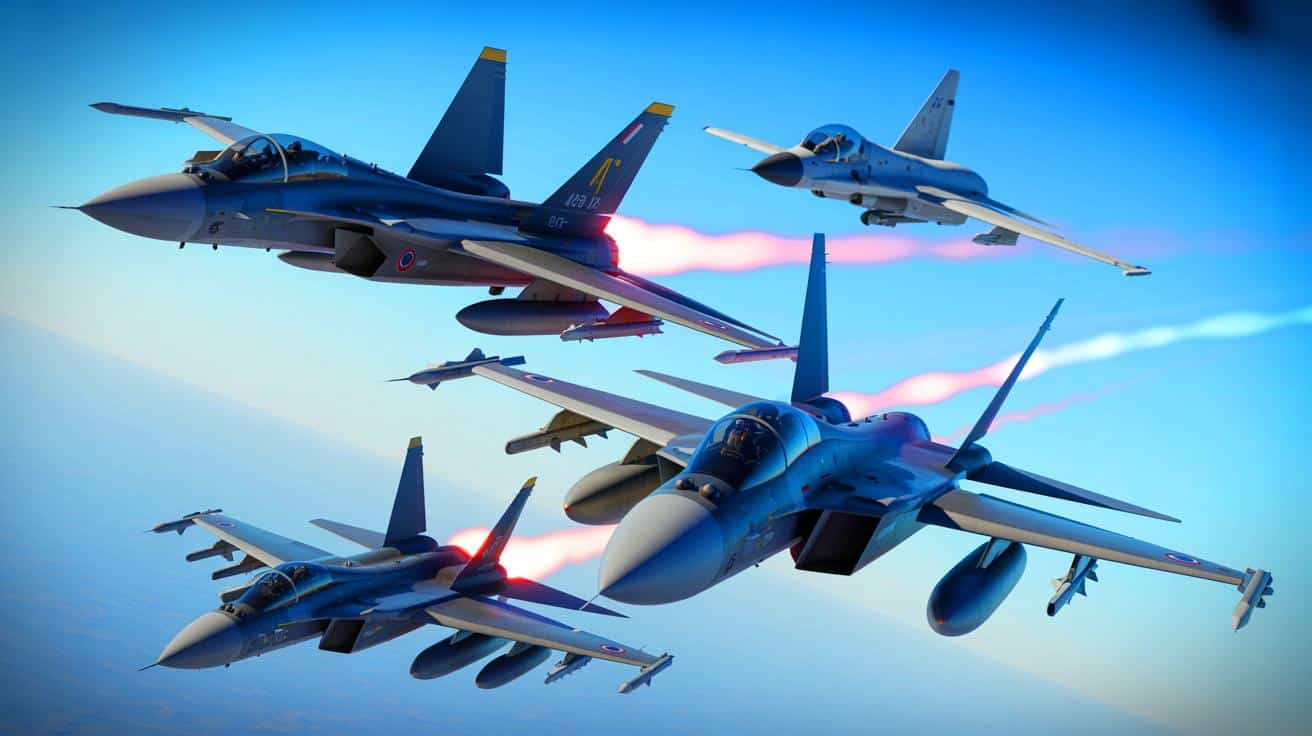
One significant event involved three Russian fighter jets entering Estonian airspace, remaining for 12 minutes and prompting NATO and the European Union to issue strong protests against this perceived provocation. Russia, however, denied any violation. This incident followed an earlier incursion involving approximately 20 drones penetrating Polish airspace, leading to the downing of three drones by Dutch fighter jets, marking a historic first for the alliance.
Eastern Flank Reinforcement: A Tactical Necessity
In response to these incursions, NATO has initiated "Eastern Sentry," a strategic operation aimed at bolstering its eastern borders. Despite these efforts, the recent breach of Estonian airspace by Russian jets has raised questions about NATO's deterrence capabilities. Secretary General Mark Rutte has reiterated NATO's unwavering commitment to defend every inch of its territory, a stance that serves as both reassurance to member states and a warning to potential aggressors.
Rutte has affirmed that NATO will act with both calm and resolve, a strategy designed to prevent unnecessary escalation while making clear that any aggression will be met with a robust response. This measured approach is intended to maintain stability in the region while ensuring that NATO's defensive posture is unmistakable to Russia.
Complicating matters further, drones were recently spotted over Copenhagen, forcing the closure of Denmark's capital airport. Whether Russia was involved in this incident remains uncertain, with Danish authorities currently assessing the situation. Rutte noted that it is premature to draw conclusions about Russian involvement, highlighting the complexity of attributing responsibility in such scenarios.
Implications for Regional Stability and International Relations
The recent events have far-reaching implications not only for NATO's security framework but also for the broader geopolitical landscape. The incursions challenge the alliance's ability to deter aggression and test the solidarity of its member states. They also raise concerns about the potential for misunderstandings or miscalculations that could lead to unintended military confrontations.
This tension underscores the need for effective communication channels between NATO and Russia to prevent accidental escalations. Diplomatic efforts to address these incidents are crucial, as they can help de-escalate tensions and foster mutual understanding. However, the current geopolitical climate poses significant challenges to such diplomatic engagements, requiring a careful navigation of complex international relations.
Furthermore, these developments have implications for NATO's strategic priorities and resource allocation. The alliance must balance its focus on eastern Europe with other global security concerns, ensuring that it remains equipped to address diverse threats. This balancing act is vital to maintaining NATO's role as a stabilizing force in an increasingly unpredictable world.
NATO's Strategic Calculus: A Path Forward
As NATO grapples with these challenges, the alliance must carefully consider its strategic options. Strengthening its eastern flank is paramount, but it must also engage in diplomatic efforts to reduce the risk of conflict. This dual approach requires a nuanced understanding of the geopolitical landscape and a commitment to collective security.
NATO's ability to adapt to evolving threats will be crucial in maintaining its relevance and effectiveness. The alliance's strategic calculus must account for both traditional military threats and emerging challenges, such as cyber warfare and hybrid threats. This comprehensive approach will ensure that NATO remains prepared to address a wide range of security issues.
Ultimately, the path forward for NATO involves a combination of deterrence, diplomacy, and adaptability. By fostering resilience and cohesion among its member states, the alliance can navigate the complex geopolitical environment and uphold its commitment to peace and security. As NATO faces these challenges, one question looms large: How can the alliance best balance deterrence and diplomacy to ensure long-term stability?
Continue reading