


“EU Builds Robot Army Border”: $965 Million Drone Wall Stops Russian Aircraft While Ukraine Provides Secret Weapons Technology
 By
Adam Kovács
By
Adam Kovács
| IN A NUTSHELL |
|
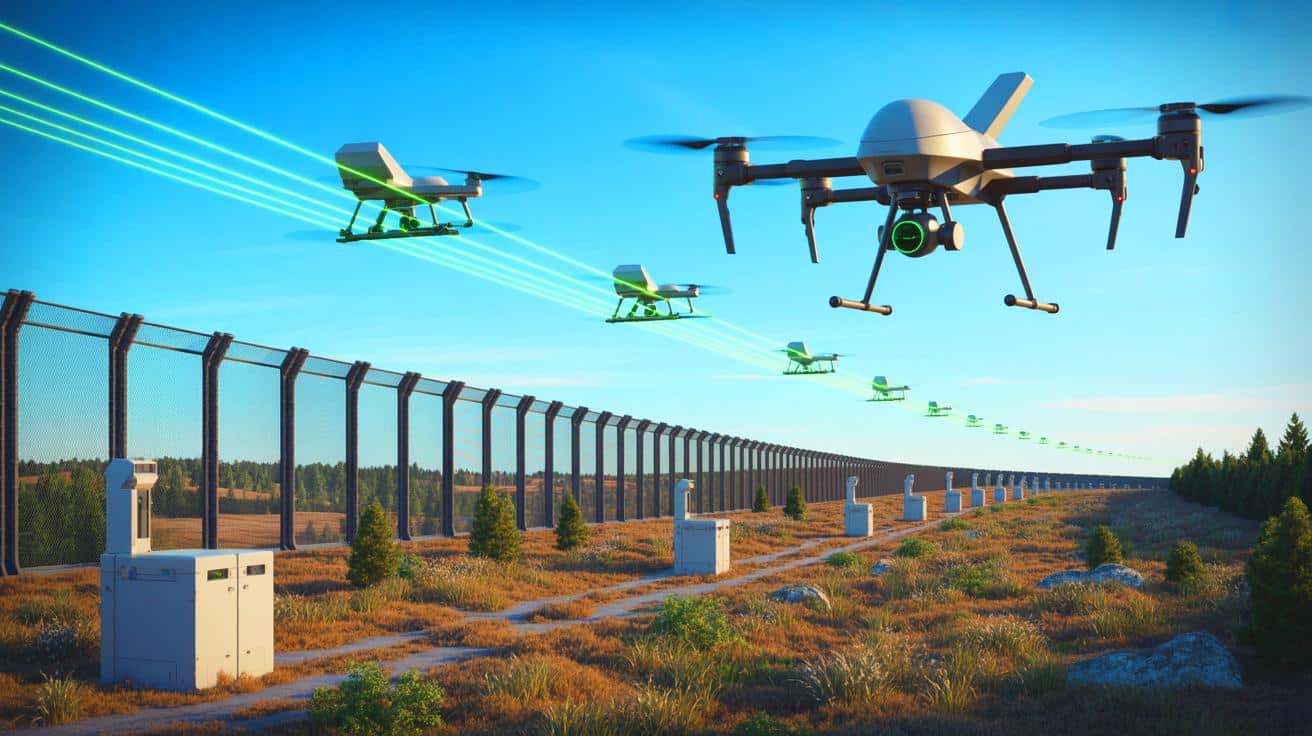
The European Union is advancing a significant defense initiative known as the “drone wall.” This project aims to safeguard the Eastern borders of the EU, particularly in light of recent Russian drone incursions in countries like Poland. As tensions rise, defense ministers from several Eastern EU member states convened on September 26 to deliberate on the project. The plan involves a cooperative approach to integrate detection, jamming, and interception systems across multiple countries. This initiative reflects a growing need for heightened security measures amid regional instability. But what exactly does this drone wall entail, and how might it be effectively implemented?
Understanding the Drone Wall Initiative
The drone wall project represents a concerted effort by EU nations to fortify their borders against aerial threats. By pooling resources, member states aim to create a comprehensive network of detection and interception systems stretching from the Baltic states to Romania. The integration of these technologies would not only enhance security but also streamline defense operations across the region.
The European Union’s defense commissioner, Andrius Kubilius, emphasizes the importance of interconnecting data to maximize the wall’s effectiveness. This interconnected approach could lead to a more responsive and adaptive defense mechanism, capable of addressing emerging threats in real-time. The initiative is indicative of a broader trend towards collaborative defense strategies within the EU.
The Role of Ukraine in the Project
Ukraine plays a pivotal role in the development of the drone wall. With extensive experience in drone technology, Ukraine offers valuable insights and expertise. The country’s rapid procurement and deployment of drones contrast sharply with the slower public procurement processes in many EU countries. This agility could be crucial for the timely implementation of the drone wall.
The EU is considering purchasing Ukrainian drones and potentially manufacturing them within Europe. This collaboration could serve as a model for future defense partnerships, blending Ukrainian innovation with European resources. Such a partnership underscores the strategic importance of Ukraine in regional defense efforts, particularly under the leadership of President Volodymyr Zelensky.
The Economic Implications and Funding
Financing the drone wall is a significant consideration for the EU. Currently, the European defense fund is supporting 62 related projects with an investment of $965 million. This funding demonstrates the EU’s commitment to enhancing its defense capabilities, yet questions remain about the sufficiency of these resources.
Additionally, a joint initiative with Ukraine, BraveTech EU, was launched to industrialize existing technologies. This collaboration aims to leverage the expertise of both parties, potentially leading to cost-effective solutions for drone interception. However, the financial commitment required to fully realize the drone wall raises important questions about the EU’s long-term defense spending priorities.
Strategic Considerations and NATO’s Stance
NATO’s involvement in the drone wall initiative highlights the broader geopolitical implications of the project. The alliance, through its secretary general, Mark Rutte, has expressed a firm stance against Russian aggression. Rutte’s declaration that NATO is prepared to defend every inch of allied territory underscores the strategic significance of the drone wall.
The project also reflects the evolving nature of warfare and the need for adaptable defense strategies. As aerial threats become more sophisticated, the integration of advanced technologies into national defense systems is increasingly critical. NATO’s backing of the drone wall aligns with its broader mission to ensure the security of its member states.
As the EU progresses with the drone wall initiative, several challenges and opportunities lie ahead. The collaboration with Ukraine and the potential for technological innovation present promising avenues for enhancing regional security. However, questions about funding, implementation, and long-term strategy remain open. How will the EU balance these considerations to ensure the drone wall’s success and maintain regional stability in the face of evolving threats?
Continue reading