


“First Direct Military Action”: Poland Engages Russian Drones After Airspace Breach Closes Warsaw, Lublin and Rzeszów Airports
 By
Adam Kovács
By
Adam Kovács
| IN A NUTSHELL |
|
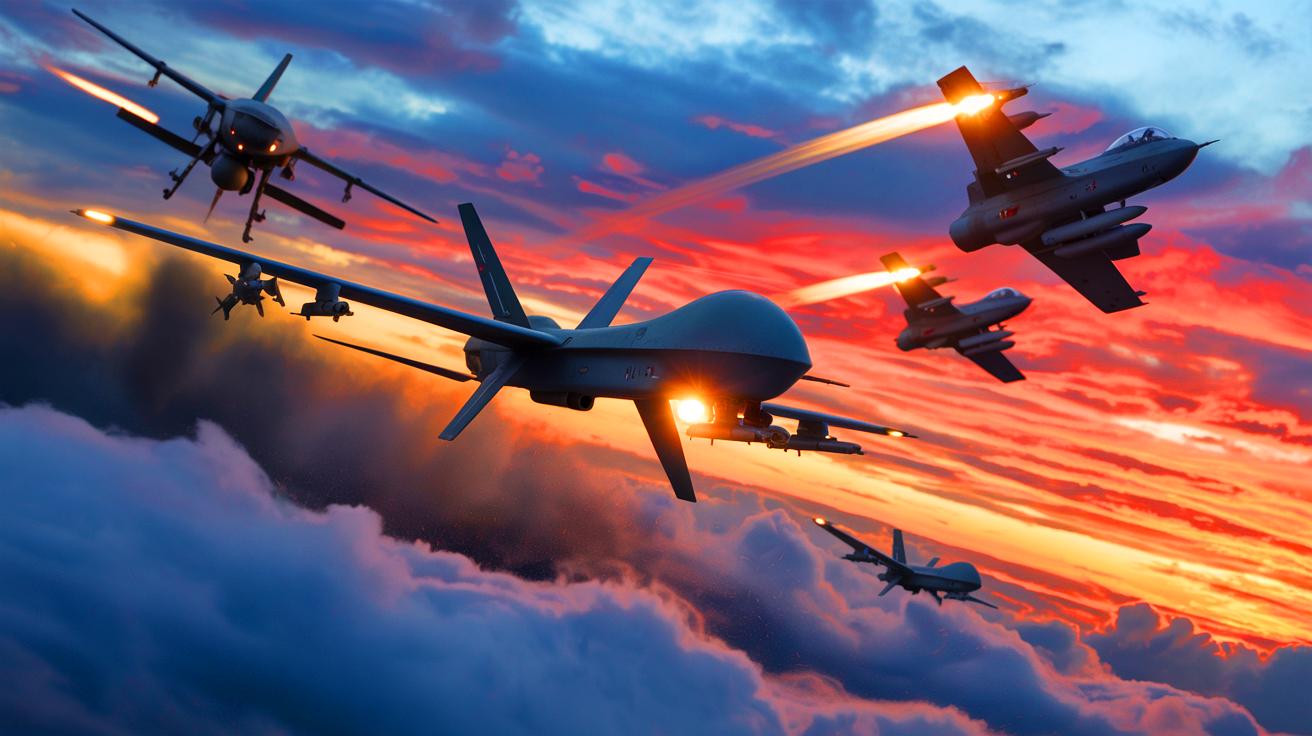
In a startling escalation of tensions in Eastern Europe, Poland has taken decisive action after Russian drones breached its airspace. This breach marks the first direct engagement by Warsaw of Russian assets since the onset of the conflict with Ukraine. In response, Poland has scrambled its own and NATO defenses to address what officials have labeled an “act of aggression.” As the situation unfolds, the Polish government and military are working in close coordination with NATO allies to manage the crisis, which has led to the closure of several key airports within the country.
Airports Closed as Operation Unfolds
The repercussions of the airspace violation were immediate for Poland’s aviation sector. Warsaw’s Chopin Airport, the largest in the nation, along with airports in Lublin and Rzeszów, were promptly shut down as a safety measure. The closures were part of an extensive military operation aimed at neutralizing the threat posed by the drones. The U.S. Federal Aviation Administration confirmed that these closures were due to “unplanned military activity” essential for state security.
The initial alert regarding the airspace breach came from Ukraine’s air force, which indicated that Russian drones had entered Polish territory, posing a potential threat to the city of Zamość. This alert heightened the urgency of the situation, prompting rapid military and governmental response. Although the statement was later removed from Ukrainian communication channels, the incident underscored the volatility of the regional security landscape.
U.S. Leaders Call It an ‘Act of War’
The breach of Polish airspace has elicited strong reactions from U.S. political leaders. Senator Dick Durbin characterized the repeated violations of NATO airspace as a test of the alliance’s resolve, emphasizing the need for a robust response to protect member states like Poland and the Baltic nations. Highlighting the severity of the incident, Republican Congressman Joe Wilson labeled the strikes as “an act of war,” citing the use of Iranian-made drones by Russia.
Wilson further advocated for decisive action from the U.S., urging President Donald Trump to impose stringent sanctions that could cripple the Russian military’s capabilities. The call for increased military support to Ukraine, including weapons capable of striking within Russian territory, reflects the heightened state of alert among NATO allies.
Regional Security Concerns Rise
Amid these developments, regional security concerns are on the rise. Polish President Karol Nawrocki had previously warned of Russia’s potential to expand its military aggression beyond Ukraine’s borders, a sentiment echoed in the wake of the drone incursions. The Polish military continues its operation to track and neutralize the drones, advising civilians to remain indoors for their safety.
Poland’s cautious approach to its airspace is informed by past incidents, such as the unfortunate event in 2022 when a stray Ukrainian missile resulted in civilian casualties. The current breach represents an unprecedented scenario, with Polish and allied defenses actively engaging in drone interception for the first time. The incident’s timing, ahead of planned joint military drills by Russia and Belarus, adds another layer of complexity to the regional security dynamics.
Implications for NATO and European Stability
This incident has significant implications for NATO and the broader stability of Europe. The breach of Polish airspace underscores the fragility of regional security arrangements and the potential for further escalation. NATO’s swift response highlights the alliance’s commitment to collective defense, yet it also raises questions about the adequacy of current deterrence measures.
As Poland considers closing its border with Belarus and Lithuania tightens its border controls, the situation speaks to a broader strategy of containment and deterrence. These actions are indicative of a region on high alert, balancing the need for security with the potential risks of military confrontation. As the international community watches closely, the incident serves as a stark reminder of the ongoing volatility in Eastern Europe.
The events unfolding in Poland mark a critical juncture in the ongoing conflict between Russia and Ukraine, with potential ramifications for NATO and global security. As the situation develops, one question remains: How will NATO and its allies navigate these heightened tensions to ensure regional stability without escalating into broader conflict?
Continue reading