


Troop Withdrawal From Portland and Chicago Reshapes Local Security, Highlights Shifts in Federal Deployment Strategy
 By
Adam Kovács
By
Adam Kovács
| IN A NUTSHELL |
|
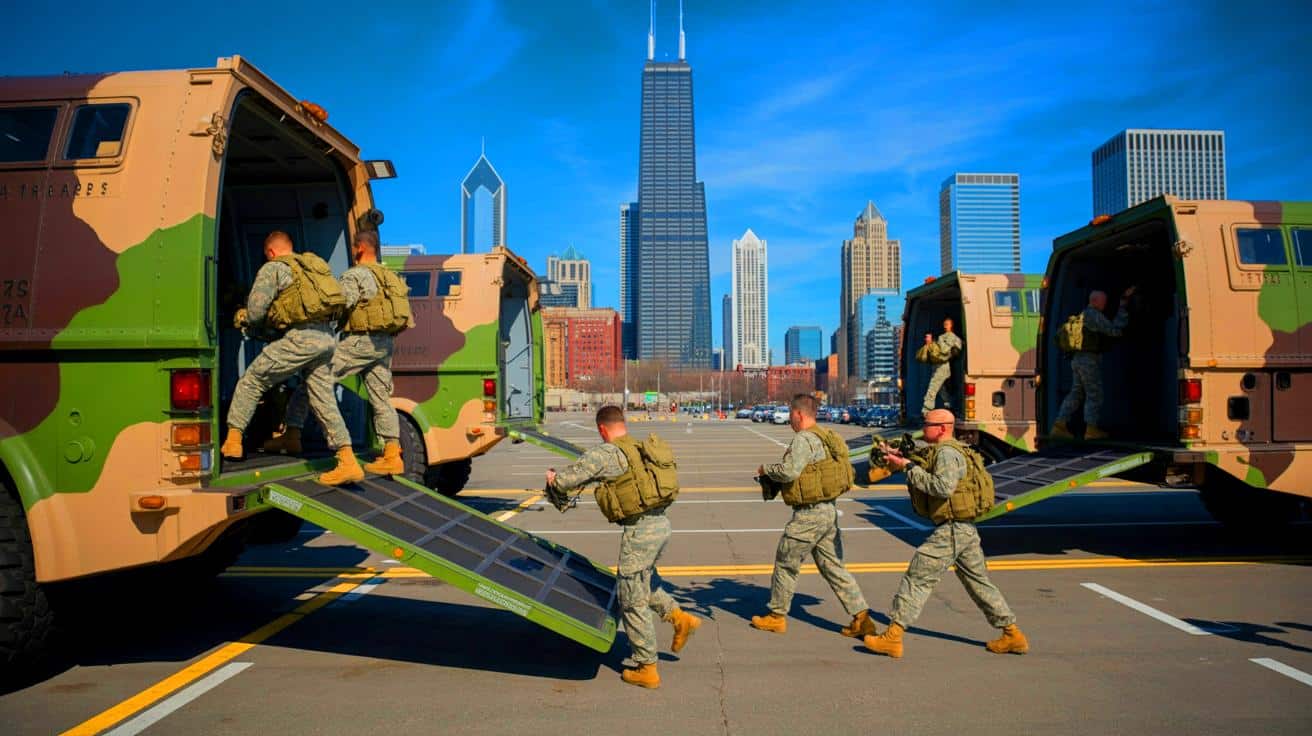
The recent decision to withdraw hundreds of National Guard troops from cities like Chicago and Portland marks a significant shift in the approach to domestic military deployments. This move comes amidst ongoing legal battles and political disagreements regarding the federal government’s authority to deploy troops in American cities. The Trump administration’s strategy to use military forces for domestic purposes has been a contentious issue, especially in cities with Democratic leadership. As the troops begin to return home, questions arise about the long-term implications of these deployments and the future of federal involvement in local affairs.
Withdrawal of National Guard Troops: A Strategic Shift
The withdrawal of National Guard troops from Chicago and Portland is part of a broader strategic shift in military deployments across the United States. The Trump administration’s decision to deploy these troops was originally framed as a necessity to address immigration and crime issues in cities with Democratic leadership. However, the deployment faced significant backlash, with many local leaders arguing that it violated states’ sovereignty and failed to meet the legal requirements for such action.
Officials have stated that the withdrawal is part of a “rightsizing” effort, ensuring that a “constant, enduring, and long-term presence” remains in these cities. However, the move raises questions about the effectiveness and legality of using military forces in domestic settings. The presence of National Guard troops in cities like Los Angeles, Chicago, and Portland has been controversial, with critics arguing that it normalizes military involvement in civilian matters.
Legal and Political Challenges to Military Deployments
Legal challenges have played a crucial role in the decision to withdraw troops. U.S. District Judge Karin Immergut issued a permanent injunction blocking the deployment of troops in Portland, citing the administration’s failure to establish the legal grounds for such action. This ruling has been pivotal in shaping the discourse around military involvement in domestic affairs, prompting the administration to file an emergency motion to appeal the decision.
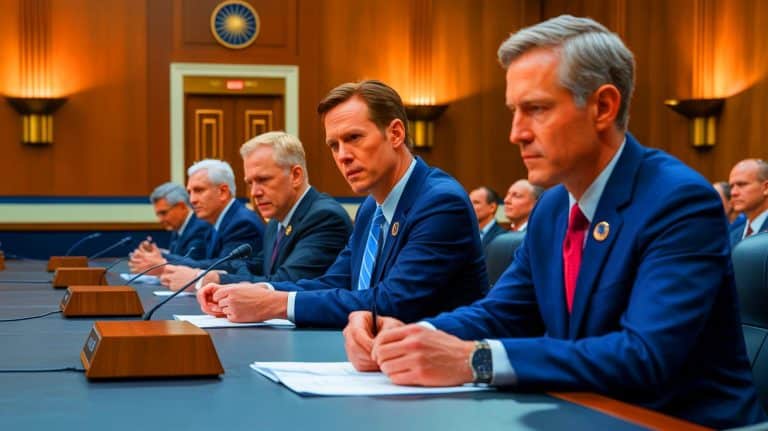
Political leaders in affected cities have also voiced strong opposition to the deployments. Illinois Governor JB Pritzker criticized the lack of communication from the Trump administration and accused it of attempting to federalize more troops. The resistance from local governments highlights the ongoing tension between federal and state authorities, as well as the broader debate about the role of the military in addressing domestic issues.
Implications for Local Security and Federal Strategy
The withdrawal of troops has significant implications for local security and the federal government’s strategy in managing domestic challenges. While some troops will remain in these cities for training purposes, their absence from active deployment raises concerns about security and resource allocation. The decision to keep a portion of troops on standby at Fort Bliss further underscores the administration’s cautious approach to reducing military presence.
The impact on local communities is profound, as residents and leaders grapple with the balance between federal assistance and autonomy. The presence of National Guard troops in cities has been primarily to protect federal facilities, such as those operated by U.S. Immigration and Customs Enforcement. As these troops return home, questions remain about how these facilities will be secured and what measures will be put in place to address the underlying issues that prompted the deployments.
Venezuela Buildup Sparks Regional Tensions as War Plans for Nigeria and China’s Third Carrier Unfold
The Future of Military Involvement in Domestic Affairs
The recent developments raise critical questions about the future role of the military in domestic affairs. The Trump administration’s willingness to deploy troops for domestic purposes has set a precedent that could influence future administrations. The legal and political challenges faced by this strategy highlight the complexities of using military forces to address issues typically managed by civilian authorities.
As the nation moves forward, it will be essential to reassess the balance between federal intervention and state sovereignty. The experiences of cities like Chicago and Portland may serve as case studies for understanding the implications of military involvement in civilian matters. This ongoing debate will likely shape future policies and strategies regarding the use of military resources within the United States.
The withdrawal of National Guard troops from cities like Chicago and Portland marks a significant shift in domestic military deployments.
As troops return home and the legal battles continue, the broader impact of these deployments on American cities remains to be seen. The long-term consequences of using military forces for domestic purposes will likely influence future decisions and strategies. How will the lessons learned from this experience shape the relationship between federal and state governments in addressing domestic challenges?
Continue reading