

What rejoining the EU single market could mean for the UK economy
A return to the EU single market could reduce some trade barriers for British businesses, but it would also require regulatory alignment, budget contributions and politically difficult choices.
 By
Adam Kovács
By
Adam Kovács
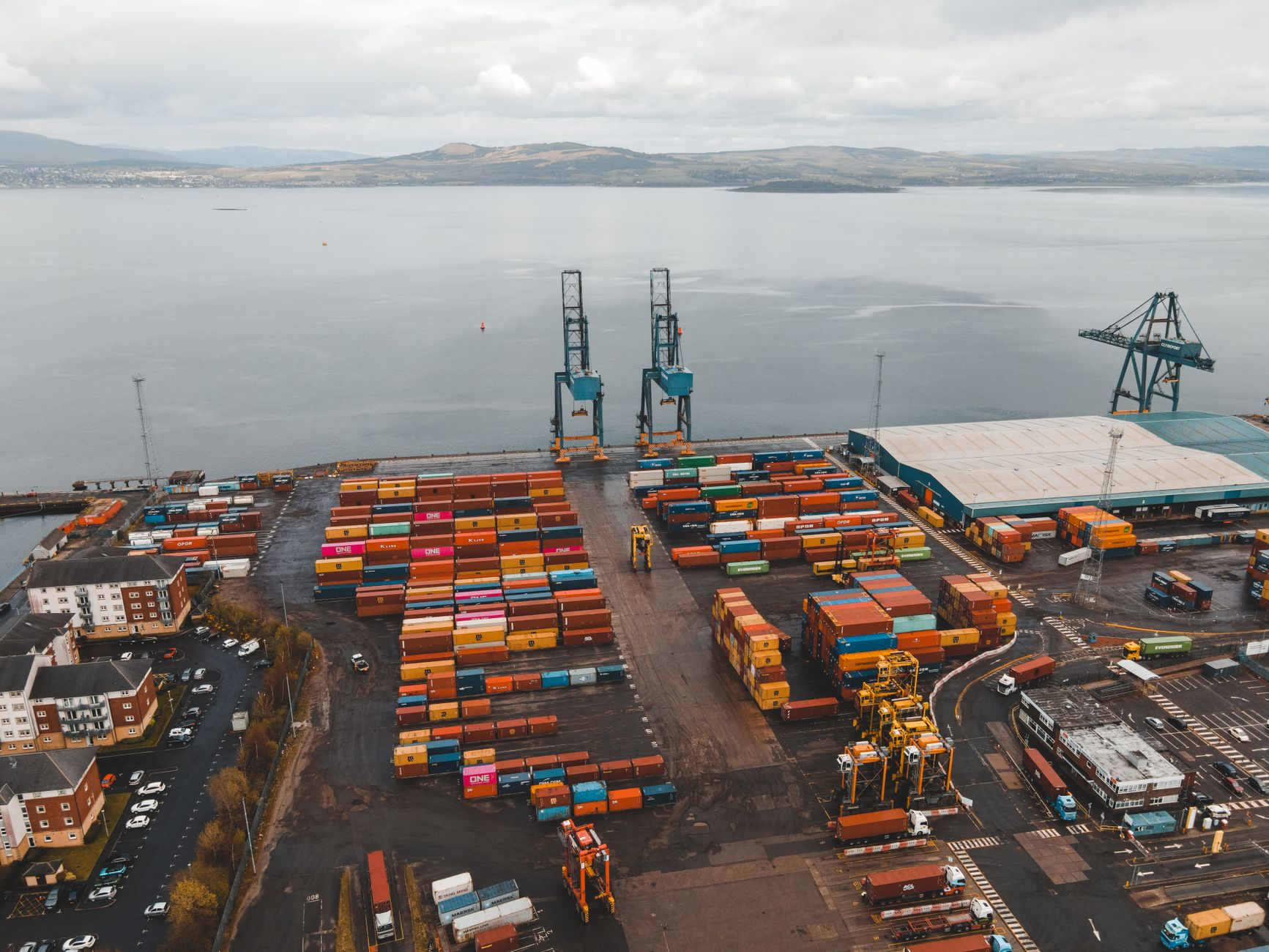
Rejoining the European Union single market could reshape the trading conditions faced by British businesses, particularly those selling goods and services into the EU. It would not necessarily mean rejoining the European Union itself, but it would involve a far closer economic relationship and a set of obligations that go well beyond tariff arrangements.
In brief
- Sir John Major has called for the UK to rejoin the EU single market within five years while remaining outside the EU.
- Research cited by The Guardian estimates UK exports to the EU are 12% below their counterfactual level after Brexit.
- Single-market participation would involve following relevant EU rules as they evolve, known as dynamic alignment.
- The available evidence does not establish whether a return to the single market would be negotiated or deliver a specific growth outcome.
The debate has gained renewed attention after Sir John Major called for the UK to seek a return to the single market on a five-year horizon. His intervention points to a distinction that is often blurred in public discussion: participation in the single market and membership of the EU are not identical.
Norway, Liechtenstein and Iceland remain outside the EU while participating in its single market. In principle, that model shows that the UK could pursue market participation without adopting the euro or joining every EU political structure. Whether such an arrangement could be negotiated for the UK, and on what terms, remains an open political question.
Trade friction is central to the economic case
The single market is designed to reduce barriers to the movement of goods, services, capital and people. For exporters, the practical importance lies not only in tariffs but also in the rules, checks and certification requirements that can affect cross-border trade.
Research reported by The Guardian on UK-EU export performance estimates that British exports to the EU are 12% lower than they would have been had the UK remained in the bloc. The research attributes 10 percentage points of that estimated shortfall to leaving the single market.

The estimates also distinguish between two large parts of the economy. Services exports to the EU are estimated to be 7% lower than in the counterfactual scenario, while goods exports are estimated to be 16% lower. These figures are estimates from the cited research, not a forecast of what any future agreement would achieve.
That distinction matters. A return to the single market might address some of the regulatory barriers identified in the research, but the evidence provided does not show that it would fully reverse the effects of Brexit. It also does not establish a specific increase in gross domestic product or economic growth.
For readers following the wider European economy, the UK debate illustrates how market access is shaped by rules as well as by formal trade agreements. Businesses trading across borders must often meet product, professional and compliance requirements even where tariffs are low or absent.
Dynamic alignment would be a major condition
A central feature of any single-market arrangement would be dynamic alignment. This means accepting relevant EU laws and regulations as they develop over time. The objective is to keep standards compatible, reducing the need for additional checks or divergent national requirements in areas covered by the arrangement.
For British firms that depend on predictable access to EU customers and supply chains, regulatory consistency could be significant. Yet it would also mean that the UK would have to comply with rules that it had not voted on in EU institutions. The Independent notes that this question of rule-taking without a decisive vote is among the principal objections raised by critics of closer alignment.

The issue is therefore not simply whether to remove trade obstacles. It concerns how much regulatory autonomy the UK would be prepared to exchange for greater integration with the EU market. The answer could vary across sectors, but the verified evidence does not support assuming that every part of the British economy would gain in the same way.
The political and financial trade-offs
More extensive single-market access would carry obligations alongside potential commercial benefits. The available reporting states that participation would involve free movement of people, contributions to the EU budget and compliance with European rules. No precise annual UK budget contribution is established in the material provided.
Free movement would be especially consequential because it would return a principle that became central to the Brexit debate. Budget payments and regulatory alignment would likewise require a clear political case at home, particularly if the UK remained outside the EU institutions that make those rules.
A customs union would not be equivalent to single-market participation. The research cited by The Guardian says that rejoining the customs union alone would address only a fraction of the estimated trade effects associated with Brexit. It could remove some rules-of-origin requirements for goods, but it would not provide the same answer for services or for wider regulatory barriers.
The economic question is consequently bound to institutional choices. Rejoining the single market could offer a route towards lower friction in UK-EU trade, but it would require acceptance of reciprocal conditions. The available evidence supports neither a guaranteed agreement nor a fixed economic dividend. It instead frames a practical choice: closer market integration would come with obligations that the UK would need to decide whether it is willing to accept.
Photo: Ollie Craig / Pexels