


Spoil heaps, new roads and vents: what satellite images can and cannot show about hidden bases
Tunnelled command posts, depots and shelters follow a recognisable logic of rock, depth and concealment, and that logic explains what such projects involve.
 By
Juliette Carrel
In brief
- Underground military hubs are built by excavating rock or soil, then lining, ventilating and powering the space.
- Depth, geology and access routes decide how hard a facility is to detect or damage.
- Surface clues such as spoil heaps, new roads and vents often reveal that work is under way.
- Claims about hidden bases deserve caution, because imagery shows surface activity rather than what lies below.
An underground military hub is, at its simplest, a set of excavated chambers and tunnels that shelter command posts, stores, vehicles or equipment from observation and attack. Building one is mostly a problem of civil engineering: remove rock or soil, hold the opening stable, keep air and power flowing, and control who can reach the entrances.
How the digging is done
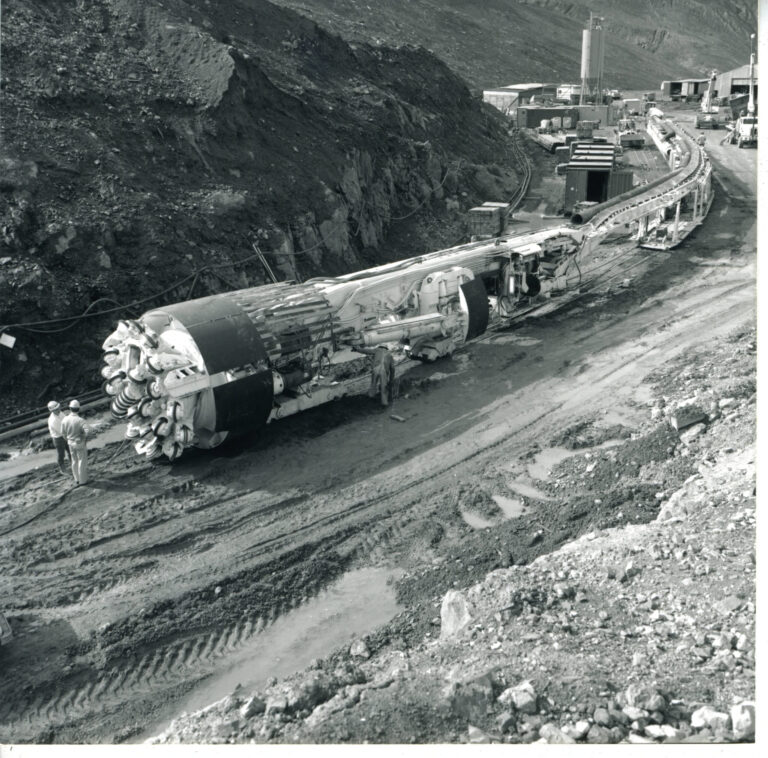
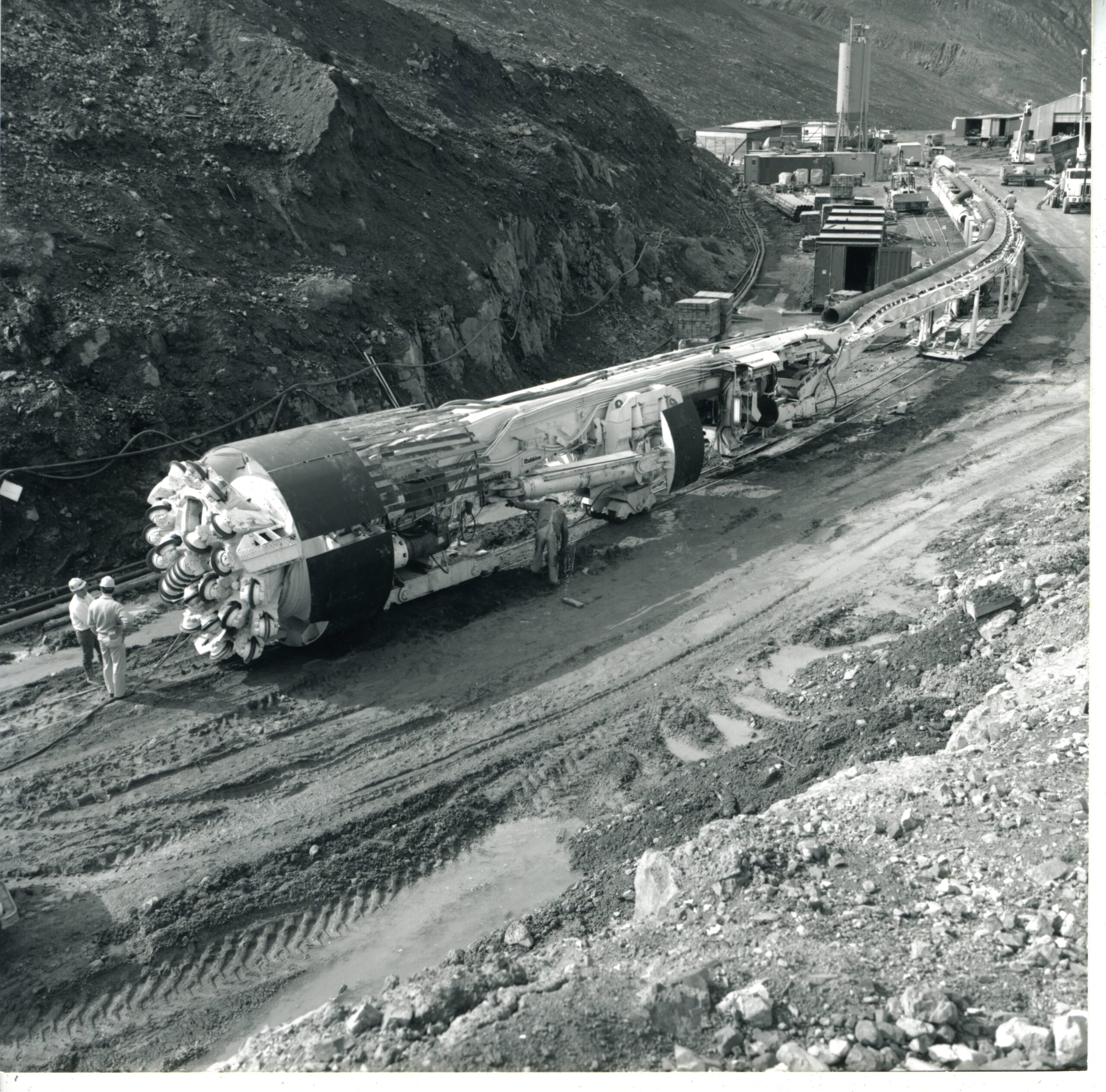
Two broad approaches exist. In cut-and-cover work, a trench is opened from the surface, a structure is built inside it and the ground is then restored on top. It is fast and suits shallow facilities, but it disturbs a wide area. In tunnelling, crews drive a passage through the ground from a portal, either by drilling and blasting hard rock or by using a boring machine. Tunnelling leaves far less on the surface, which is why it is favoured when concealment matters.
Once a cavity is open, it must be supported. Reinforced concrete linings, steel ribs and rock bolts keep the roof from failing. Drainage is equally important, since water seeping through rock can ruin equipment and weaken the structure over time.
Why geology and depth matter
The ground largely decides the design. Solid, dry rock such as granite can be left with a thin lining and offers strong natural protection. Soft or fractured ground demands heavy reinforcement and is more costly to keep open. Depth adds protection against conventional blasts, because overlying material absorbs and spreads shock, but it also lengthens access tunnels and complicates ventilation and emergency exits.

Planners therefore weigh several trade-offs at once: how deep to go, how many entrances to build, and how to hide or harden each one. Multiple portals make a site more flexible and harder to seal, yet each one is a visible feature that can be watched.
What keeps a hub running
People and machines cannot function underground without support systems. These typically include filtered air supply, backup power, water and waste handling, communications links and fire protection. Many such sites are designed to operate for a period without outside supply, so storage space for fuel and provisions is part of the layout. These systems need vents, cable routes and generator housings, and they are often where surface evidence appears.
Reading the surface clues
Because the work is hidden, outside observers rely on what shows above ground. Large piles of excavated spoil, new access roads, rail spurs, security fencing, cooling or ventilation structures and sudden changes in vegetation can all indicate construction. Commercial satellite imagery makes these signs visible to analysts and journalists, and it has become a common basis for public reporting on military building programmes. Visegrád Post’s earlier report on a Chinese military hub followed this kind of imagery-led approach.
There is a limit to what such images can show. They record the surface and its changes over time; they do not reveal the depth, layout or purpose of what lies below. Careful analysts treat headline claims about vast hidden complexes as interpretations of surface activity, and they distinguish between a confirmed construction site and a claimed function. Readers can apply the same test: ask what the imagery shows directly, who is interpreting it, and what remains inference.
Why the subject matters in Europe too
Hardened and buried facilities are not a feature of one country alone. Many European states keep civil shelters, tunnelled storage or command bunkers, some dating from the Cold War, and debates in Central Europe about defence, civil protection and infrastructure often touch on how such sites are maintained or reused. Understanding the basic engineering helps readers judge reports about any state’s underground building, whether the claim concerns Asia, Europe or elsewhere.
Photo: United States. Army. Corps of Engineers. Portland District / Wikimedia Commons
Continue reading