



“He’s Back Sooner Than Expected”: Hypersonic ARRW Missile Resurfaces With Shocking Speed and Global Power Shift Potential
 By
Adam Kovács
By
Adam Kovács
| IN A NUTSHELL |
|
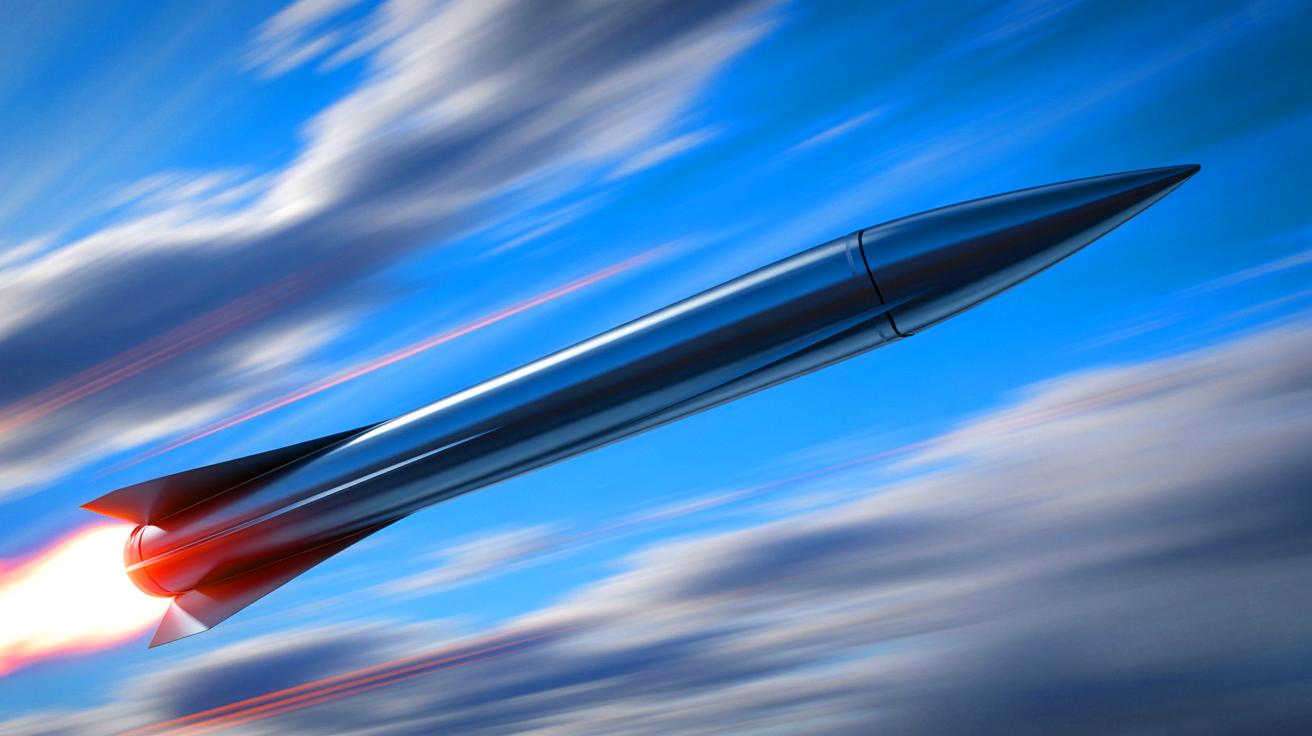
In an era where global threats and technological innovations intersect, the American Air Force has reignited the hypersonic missile program, known as the Air-Launched Rapid Response Weapon (ARRW). Initially paused due to mixed results despite a promising start, this revival could redefine the global armament landscape. The ARRW’s potential to change the rules of engagement highlights a significant shift in military capabilities that nations around the world must reckon with.
The Renaissance of the ARRW Program
Launched in 2018, the ARRW program aimed to develop a missile capable of exceeding Mach 5 speeds. With a boost-glide propulsion system, these missiles can reach quasi-space altitudes before descending towards their target at speeds and maneuvers that make them almost impossible for current anti-missile defenses to intercept. A $480 million contract awarded to Lockheed Martin underscores the strategic importance of this project. The potential of the ARRW to revolutionize military tactics is not just an aspiration but a strategic necessity in the present geopolitical climate.
The Evolution of Hypersonic Systems
The investment in the ARRW program is part of the Air Force’s broader commitment to hypersonic technologies. In parallel, the development of the Hypersonic Attack Cruise Missile (HACM) using scramjet engine technology is underway. Although slower, scramjets offer greater flexibility by flying at lower altitudes and maneuvering with agility. The contrast between boost-glide and scramjet technologies presents a diversified approach to hypersonic capabilities.
| Technology | Description |
|---|---|
| Boost-glide | Allows extreme speed and complex maneuverability. |
| Scramjet | Uses missile speed to compress incoming air, facilitating combustion and propulsion. |
Reasons Behind the ARRW’s Return
The acceleration of hypersonic programs by countries like China and Russia has prompted the U.S. to view the ARRW’s revival as a strategic imperative. Recent tests have demonstrated significant progress, restoring confidence among military leaders in the project’s viability. According to Tom Karako from the Center for Strategic and International Studies, maintaining a diverse array of hypersonic capabilities is crucial for retaining a global tactical advantage. The ARRW’s return is not merely a technical venture but a strategic maneuver to assert dominance in the evolving military theater.
Global Strategic Implications
The development of the ARRW and similar weapons poses significant challenges to traditional power balances. By enabling precision strikes at intercontinental distances, these technologies compel nations worldwide to reconsider their defense and attack strategies. The inability of current defense systems to effectively intercept such vehicles means countries must explore new countermeasures. The ARRW, with its speed and stealth, has the potential to revolutionize modern warfare by rendering traditional defense systems obsolete.
The ARRW, with its speed and stealth, could revolutionize modern warfare by rendering traditional defense systems obsolete.
In conclusion, the revival of the ARRW program and the diversification of hypersonic technologies by the American Air Force represent more than technical developments. They signify a strategic pivot that could significantly influence future global geopolitics. As the world enters a new era of technological warfare, continuous innovation will be crucial to maintaining balance and peace. How will these advancements reshape international alliances and national security policies in the years to come?
Continue reading