



“China Unleashes 1,080-Pound Graphite Bomb”: This Silent Weapon Can Shut Down a 2.5-Acre Power Grid Instantly
 By
Adam Kovács
By
Adam Kovács
| IN A NUTSHELL |
|
In a world where military technology continues to evolve at a rapid pace, China’s recent unveiling of a “blackout bomb” marks a significant development in modern warfare strategies. This innovative munition, designed to disable power grids without causing physical destruction, has garnered global attention. As nations reevaluate their defense strategies, the implications of such a weapon on international security and military tactics are profound. Let’s delve deeper into the characteristics and potential impacts of this unconventional weapon.
The Mechanics of the Graphite Bomb
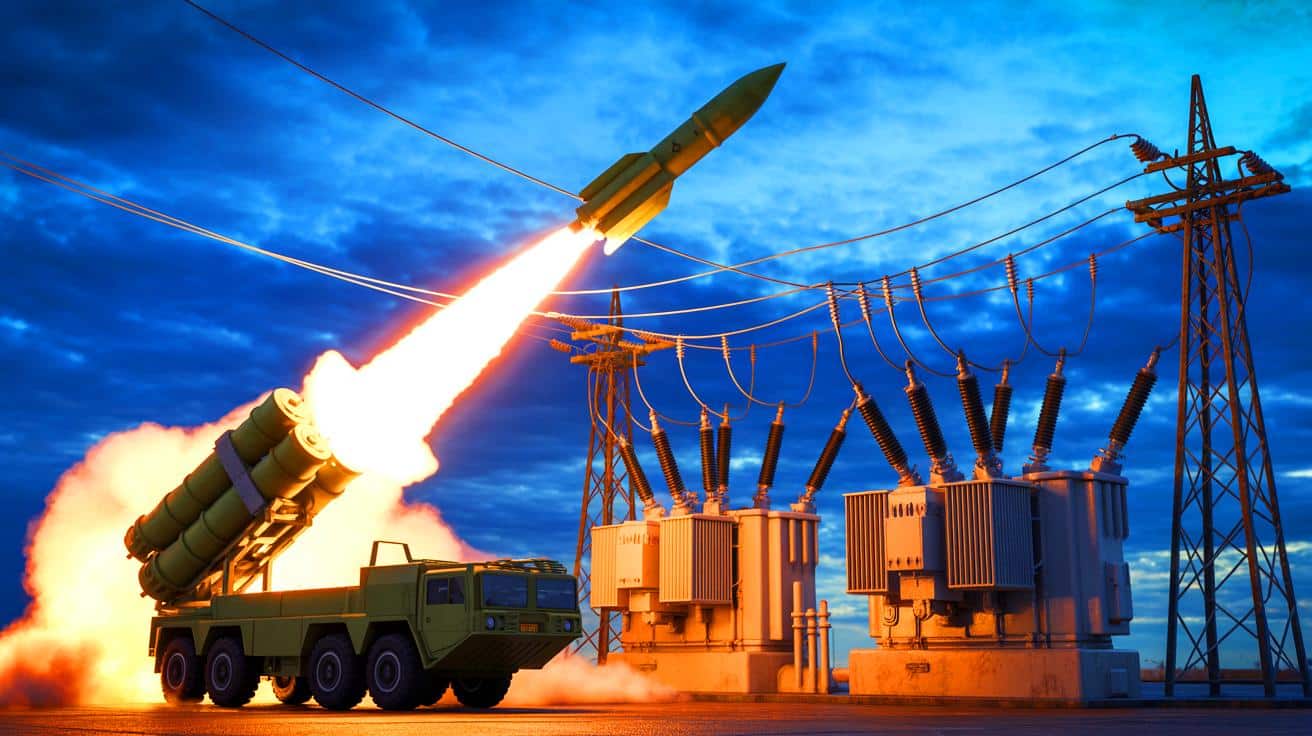
The newly unveiled Chinese graphite bomb is a testament to the country’s advancements in military technology. This munition, capable of striking targets up to 180 miles away, carries a 1,080-pound warhead. What sets it apart is its ability to disable electrical infrastructure without causing physical damage. Upon detonation, the bomb releases 90 cylindrical submunitions that disperse chemically treated carbon filaments mid-air. These conductive strands are engineered to short-circuit transformers, substations, and other critical components of a power grid.
The simulated strike demonstrated by China’s state broadcaster, CCTV, suggests that such a bomb could affect an area of at least 2.5 acres, potentially leading to a complete blackout. The use of graphite bombs is not entirely new. The United States previously employed similar technology in Iraq and Serbia, achieving significant disruption without kinetic destruction. This method of warfare emphasizes the strategic significance of targeting infrastructure, which can incapacitate an enemy’s operational capabilities.
Strategic Implications and Target Considerations
The introduction of this graphite bomb raises important strategic questions, particularly concerning potential targets. Speculation online points to Taiwan’s electrical infrastructure as a possible focus in any future conflict between China and Taiwan. Although the People’s Liberation Army (PLA) has not officially confirmed the deployment of such a weapon, defense experts suggest that the technology has been under development for some time.
Chen Chundi, an editor at Modern Ships, emphasized that non-kinetic warfare technologies, like the graphite bomb, are crucial for bypassing traditional defenses and achieving strategic paralysis. By targeting C4ISR networks, command, control, communications, computers, intelligence, surveillance, and reconnaissance, the PLA could effectively disable an adversary’s capabilities without engaging in direct combat. This shift in strategy highlights China’s growing focus on hybrid warfare, prioritizing system disruption over physical confrontation.
China’s Advancements in Non-Kinetic Warfare
The evolution of China’s military strategy towards non-kinetic warfare reflects a broader trend in modern military doctrine. The PLA’s interest in developing weapons that can disrupt enemy systems without triggering full-scale conflict demonstrates a nuanced understanding of contemporary warfare dynamics. The potential integration of tail-mounted Wind-Corrected Munitions Dispensers (WCMD) with BeiDou satellite guidance could further enhance the precision of such strikes.
If effectively deployed, the graphite bomb could significantly enhance China’s capacity for hybrid operations, degrading enemy functionality while minimizing collateral damage. This approach aligns with a global trend towards minimizing human casualties and infrastructure damage while achieving strategic objectives. The focus on disabling systems, particularly electrical and digital infrastructure, underscores a shift away from traditional military engagements towards more sophisticated forms of warfare.
Future Considerations and Global Impact
As militaries worldwide continue to adapt to new technologies, the introduction of the graphite bomb signals a potential shift in Beijing’s approach to strategic deterrence and precision strikes. The ability to incapacitate vital infrastructure without direct confrontation presents both opportunities and challenges for military planners. For nations like the United States, which have historically invested heavily in advanced infrastructure, the threat of such non-kinetic attacks necessitates a reevaluation of defensive measures.
Furthermore, the development and potential proliferation of these weapons could influence geopolitical dynamics, prompting discussions on international norms and regulations governing their use. As countries grapple with these emerging threats, the role of non-kinetic warfare in future conflicts remains a crucial topic for policymakers and military strategists alike.
The unveiling of China’s graphite bomb underscores the evolving nature of military technology and strategy. As nations around the world assess the implications of such advancements, the question remains: How will global defense strategies adapt to the increasing prominence of non-kinetic warfare in the 21st century?
Continue reading