


“Double or Die”: Why Top U.S. Commanders Say 100 B-21 Raiders Won’t Be Enough to Survive the Coming War
 By
Adam Kovács
By
Adam Kovács
| IN A NUTSHELL |
|
The recent military operation known as Operation Midnight Hammer highlighted a critical gap in the U.S. strategic bomber fleet. While the deployment of nine B-2 stealth bombers was an impressive display of airpower, it underscored the small size and advanced age of America’s bomber fleet. With only 20 B-2s and aging fleets of B-1s and B-52s, experts argue that the current fleet is insufficient for modern great-power conflicts. As global threats increase, there is a pressing need to expand and modernize the U.S. bomber capability to maintain a credible deterrent and project power effectively in the 21st century.
The B-21 Raider Won’t Be Enough Without a Bigger U.S. Bomber Fleet
Operation “Midnight Hammer” served as a dramatic reminder of America’s strategic airpower capabilities, but it also exposed significant vulnerabilities. The operation involved nearly half of the entire B-2 fleet, demonstrating that while these bombers are capable, their numbers are inadequate for sustained military campaigns against major adversaries like China or Russia. This limited capacity is concerning in an era where global military tensions are rising, particularly as these nations continue to bolster their own arsenals.
The B-2 fleet, originally envisioned to include 132 aircraft, was drastically reduced post-Cold War due to budget constraints and changing geopolitical landscapes. Today, the Air Force plans to acquire just 100 B-21 Raiders, but many experts assert this is insufficient. The current fleet, dominated by aging B-52s and B-1s, is not equipped to handle modern, contested airspaces, leaving America at a strategic disadvantage.
China, for instance, is expanding its bomber capabilities, including the development of the H-20 stealth bomber that could rival the B-2 and B-21. To effectively deter such threats, experts recommend significantly increasing the number of B-21s to at least 200, ensuring the U.S. has the necessary mass and stealth capability to meet future challenges.
Funding the Future: Defense Budget and Strategic Investments
To address the growing need for a robust bomber fleet, the U.S. defense budget has earmarked significant funds for the B-21 program. In the fiscal year 2025, $2.7 billion was allocated for research and development, with an additional $1.9 billion for procurement. This investment is crucial for scaling up production of the B-21 Raider, which is vital for maintaining the U.S.’s strategic edge.
The draft reconciliation bill aims to further boost these efforts, proposing $2.4 billion for research and $2.1 billion for procurement. This financial backing is a positive step towards expanding the fleet, but sustained funding over the next several years will be essential to meet the operational demands of the future. Moreover, the munitions capability of the B-21 needs enhancement, as it currently can carry only one 30,000-pound Massive Ordnance Penetrator at a time, compared to the B-2’s capacity for two.
With the B-21 serving dual roles as both a conventional and nuclear-capable bomber, the fleet must be capable of performing diverse missions. This multifaceted role underscores the necessity for a larger fleet to ensure readiness and effectiveness in various combat scenarios.
Strategic Implications and the Need for Action
The strategic implications of an insufficient bomber fleet are profound, potentially emboldening adversaries and increasing the risk of conflict. A limited number of stealth bombers may suffice against less formidable opponents, but they fall short in high-end warfare with peer competitors. The growing capabilities of nations like China, with their advanced missile and bomber technologies, necessitate a robust U.S. response.
Experts like Mark Gunzinger and Dr. Rebecca Grant advocate for a substantial increase in the B-21 fleet to bolster strategic deterrence. Their recommendations align with the views of Air Force Global Strike Command leadership, emphasizing the need for congressional action to secure the necessary resources for this expansion.
As global military dynamics evolve, the U.S. must prioritize investments in its strategic bomber fleet to ensure preparedness and deterrence. The decisions made today will shape the country’s ability to respond to future threats and maintain its position as a global power.
The Role of Technological Advancements and Strategic Readiness
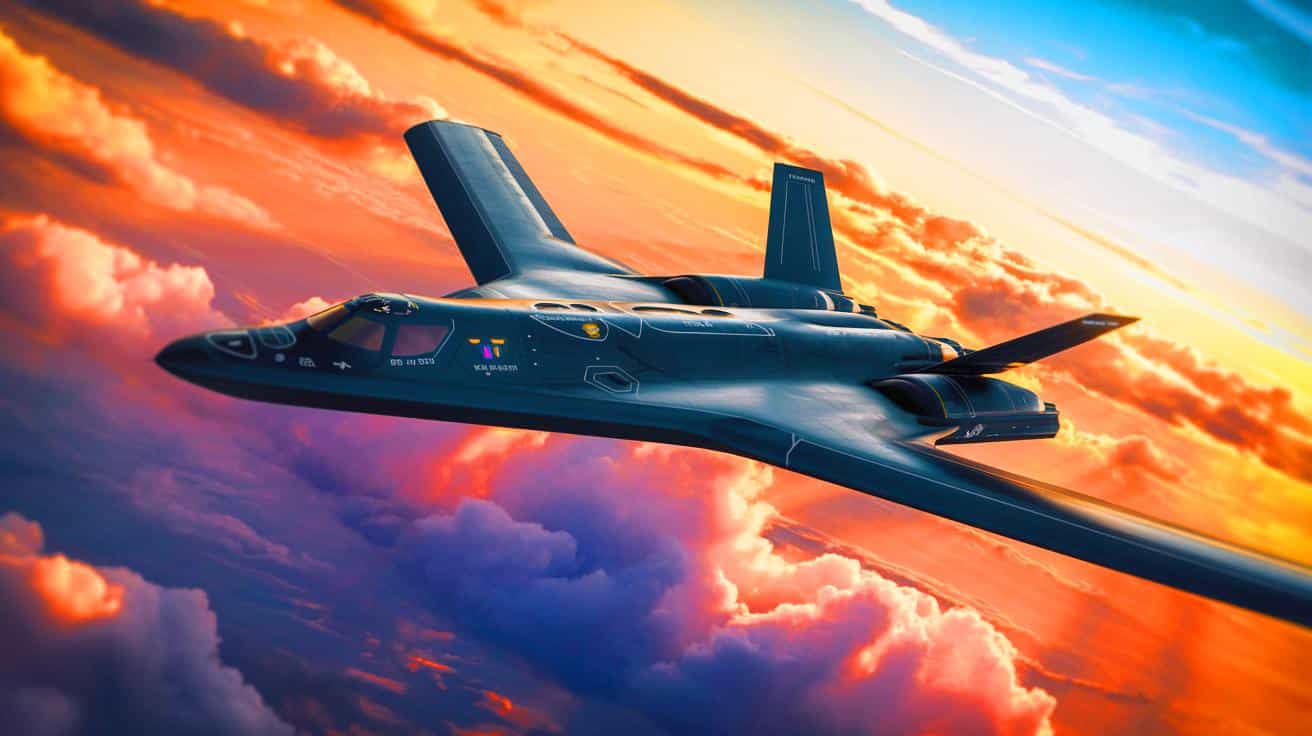
Technological advancements in bomber design and production are critical to enhancing the U.S. military’s strategic readiness. The B-21 Raider represents the next generation of stealth technology, designed to operate in contested environments and deliver precision strikes. However, without a sufficient number of these advanced bombers, the U.S. risks falling behind its adversaries.
The integration of cutting-edge technologies and increased production capabilities will be key to achieving the desired fleet size. Establishing a second production site, as suggested by some experts, could expedite this process and ensure a steady supply of new bombers.
Ultimately, the success of the U.S. military’s strategic vision hinges on its ability to adapt and innovate. As threats become more sophisticated, the need for a comprehensive and resilient bomber fleet becomes increasingly urgent. The B-21 Raider is a critical component of this strategy, but achieving the necessary scale will require a concerted effort from policymakers, the military, and industry leaders.
As the U.S. continues to navigate the complexities of modern warfare, the need for a comprehensive approach to strategic deterrence becomes ever more apparent. With the right investments and a commitment to innovation, the U.S. can maintain its strategic advantage and safeguard its interests. But as global threats evolve, will the nation rise to the challenge and ensure its military remains a formidable force on the world stage?
Continue reading