

“They’re Betting the Sky on This”: Portugal Ditches US F-35 for France’s Rafale, Sending Shockwaves Through Europe’s Aviation Industry
 By
Adam Kovács
By
Adam Kovács
| IN A NUTSHELL |
|
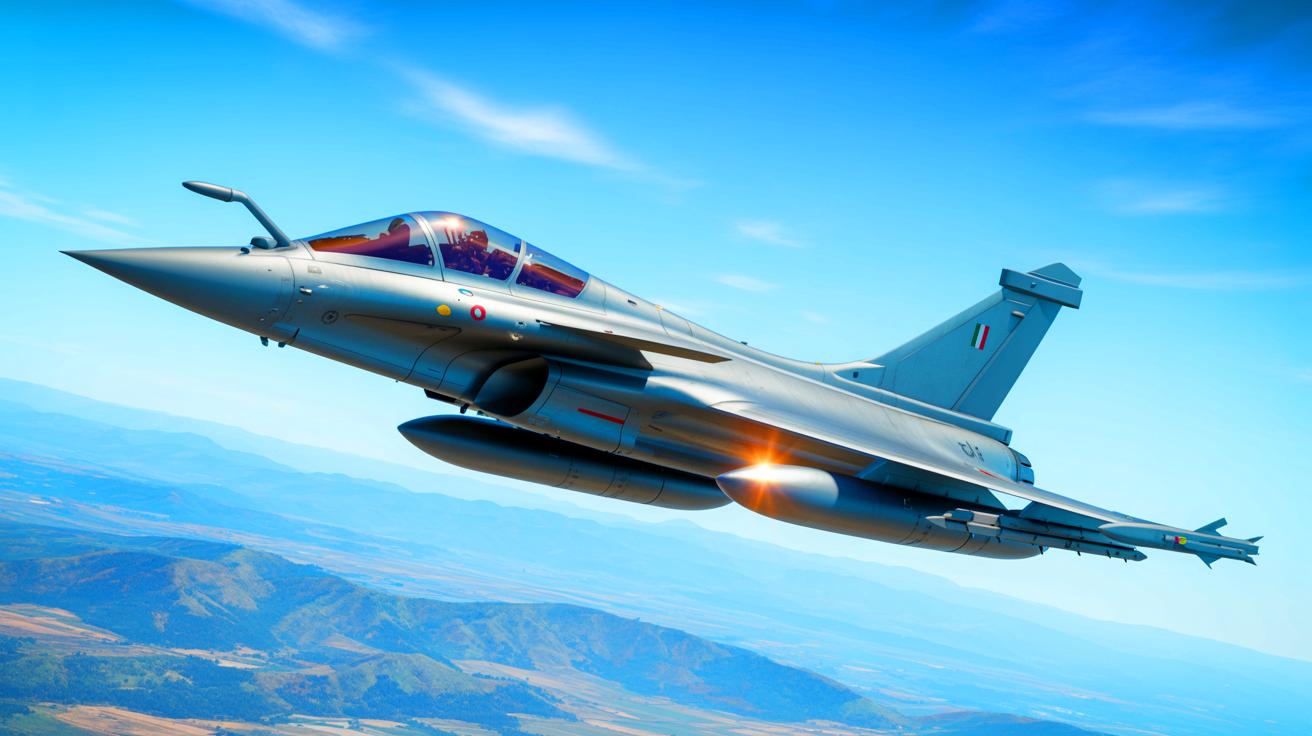
Recently, Portugal made a significant decision in its defense strategy by opting for the French Rafale jet over the American F-35. This choice marks a pivotal shift for the country as it seeks to enhance its military capabilities while aligning more closely with European industry. By selecting the Rafale, Portugal is not only modernizing its arsenal but also sending a strong message on the international stage about its military cooperation preferences. This decision is likely to have far-reaching implications for both Portugal and its allies.
Portugal’s Strategic Shift in Defense
The announcement by the Portuguese government to withdraw from the F-35 program has sparked much discussion among defense experts. The F-35, renowned for its advanced stealth capabilities, is often considered one of the most sophisticated fighter jets globally. Despite this, Portugal has chosen to prioritize the Rafale, an aircraft known for its versatility and more reasonable operational costs. This decision reflects a desire to tailor military needs while optimizing available resources.
One of the primary reasons for this decision was the high cost associated with the F-35. Additionally, the Rafale integrates more seamlessly into European defense systems, making it a more strategic option for Portugal. The European compatibility and flexibility of the Rafale were crucial in meeting the country’s long-term objectives.
Economic and Industrial Impact of the Decision
Beyond military considerations, Portugal’s choice of the Rafale carries significant economic implications. By opting for a European aircraft, Portugal aims to strengthen ties within the European Union. This partnership could pave the way for technology transfers and industrial collaborations that would boost the local economy.
The defense sector could benefit from fresh investments, creating jobs and fostering technological innovation. Portugal’s decision could also inspire other European nations to adopt similar solutions, thereby enhancing the continent’s strategic autonomy.
Technical Comparison: F-35 vs. Rafale
The F-35 and the Rafale represent two distinct approaches to military technology. The F-35 is praised for its stealth capabilities and advanced systems, but these innovations come at a high cost. Conversely, the Rafale is valued for its agility and ability to perform a wide range of missions effectively.
Performance Comparison Table
| Characteristic | F-35 | Rafale |
|---|---|---|
| Unit Cost | High | Medium |
| Stealth | Superior | Moderate |
| Mission Flexibility | Specialized | High |
| European Integration | Low | High |
This table highlights key differences between the two aircraft, illustrating why the Rafale emerged as the best choice for Portugal. Its flexibility and controlled costs make it a prudent choice for addressing Portugal’s varied mission needs.
Implications for NATO and International Cooperation
Portugal’s decision to adopt the Rafale could impact dynamics within NATO. Traditionally, the military alliance favors equipment standardization to facilitate cooperation among its members. However, Portugal’s choice of the Rafale underscores a trend toward diversification and autonomy in defense.
This strategic choice might encourage other NATO countries to reconsider their military equipment options. By adopting the Rafale, Portugal demonstrates that it is possible to balance technological innovation with European integration.
This decision raises questions about the future of NATO cooperation and how European countries can collaborate to strengthen collective security while maintaining national sovereignty. Could Portugal’s decision inspire other nations to follow a similar path, redefining traditional military alliances in favor of greater strategic autonomy?
Continue reading