

“F-35 Replacement With French Rafale”: Portugal Chooses European Fighter Jet Over American Stealth Technology for NATO Fleet Modernization
 By
Adam Kovács
By
Adam Kovács
| IN A NUTSHELL |
|
Portugal’s recent decision to replace the American F-35 fighter jets with the French Rafale marks a significant shift in its defense strategy. This choice not only aims to modernize the country’s military capabilities but also signals a strategic alignment towards European military cooperation. By choosing the Rafale, Portugal is sending a clear message on the international stage, indicating its preferences for military collaboration and its commitment to strengthening ties within Europe. This decision has sparked discussions about its implications for both Portugal’s defense framework and the broader European military landscape.
A Major Shift in Defense Strategy
The Portuguese government’s announcement to withdraw from the F-35 program has stirred significant discussion among defense experts. The F-35 is renowned for its advanced stealth capabilities and is often considered one of the most sophisticated fighter jets available today. However, Portugal has opted for the Rafale, which is known for its versatility and more reasonable operational costs. This decision highlights Portugal’s desire to address specific needs while optimizing available resources.
The high cost of the F-35 was a crucial factor in Portugal’s decision-making process. Additionally, the Rafale’s seamless integration into European defense systems makes it a more strategic choice for Portugal. The emphasis on European compatibility and the Rafale’s flexibility aligns with Portugal’s long-term objectives, ensuring that the country’s defense needs are met efficiently and effectively.
The Economic and Industrial Impact of This Decision
Beyond military considerations, Portugal’s choice of the Rafale has significant economic implications. By selecting a European aircraft, Portugal is reinforcing its ties within the European Union. This partnership could pave the way for technology transfers and industrial collaborations, potentially boosting the local economy.
The defense sector stands to benefit from new investments, leading to job creation and fostering technological innovation. Portugal’s decision might also encourage other European nations to adopt similar solutions, thereby strengthening the continent’s strategic autonomy. This move is seen as a step towards a more integrated European defense industry, potentially reshaping the economic landscape of participating countries.
Technical Comparison: F-35 vs. Rafale
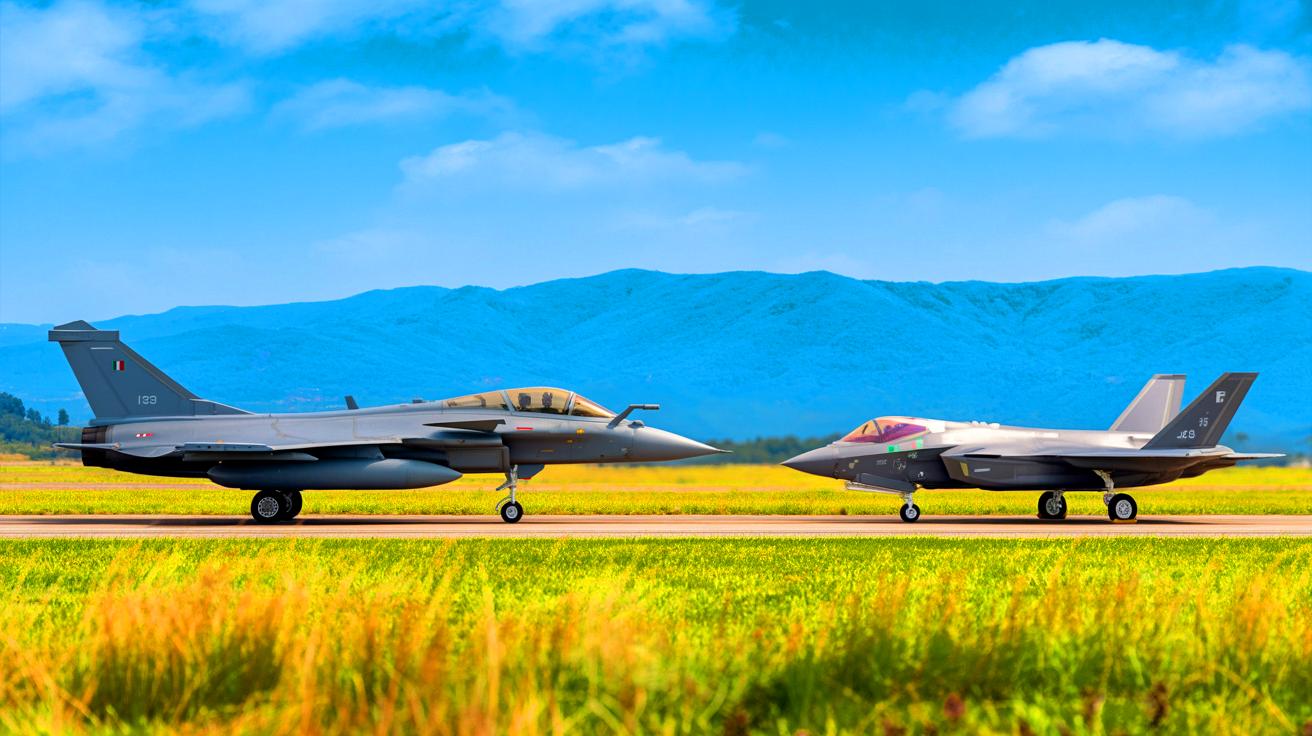
The F-35 and Rafale represent two distinct approaches to military technology. The F-35 is praised for its stealth and advanced systems, but these innovations come with high costs. In contrast, the Rafale is valued for its maneuverability and its ability to perform a wide range of missions effectively.
Performance Comparison Table
| Feature | F-35 | Rafale |
|---|---|---|
| Unit Cost | High | Medium |
| Stealth | Superior | Moderate |
| Mission Flexibility | Specialized | High |
| European Integration | Low | High |
This table highlights the key differences between the two aircraft, illustrating why the Rafale emerged as the better option for Portugal. Its flexibility and controlled costs make it a wise choice for meeting Portugal’s diverse mission requirements.
Implications for NATO and International Cooperation
Portugal’s decision to adopt the Rafale could have repercussions on the dynamics within NATO. Traditionally, the military alliance favors standardizing equipment to facilitate cooperation among its members. However, Portugal’s choice of the Rafale underscores a trend towards diversification and autonomy in defense matters.
This strategic decision might prompt other NATO countries to reassess their own military equipment options. By adopting the Rafale, Portugal demonstrates that it is possible to balance technological innovation with European integration.
This decision raises questions about the future of cooperation within NATO and how European countries can collaborate to enhance their collective security while maintaining national sovereignty.
By choosing the Rafale, Portugal has clearly shown its intention to embed itself further within a European defense framework. Could this choice encourage other nations to follow a similar path, potentially redefining traditional military alliances in favor of greater strategic autonomy?
Continue reading