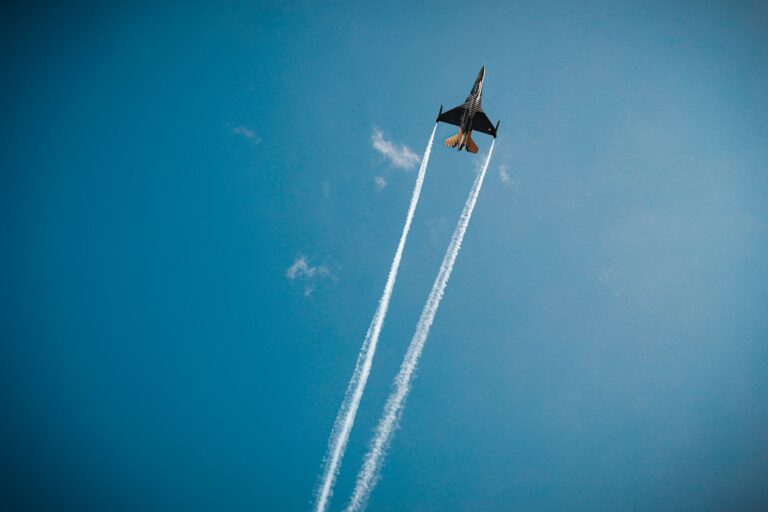



“NATO Mobilizes War Machine Against Russian Drone Invasion”: Eastern Sentry Initiative Deploys Rafale Jets and Frigates After 19 Airspace Violations Over Poland
 By
Adam Kovács
By
Adam Kovács
| IN A NUTSHELL |
|
In a significant move to bolster defense, several NATO allies have agreed to deploy additional military resources to the eastern flank following Russian drone incursions into Poland. This decision, which includes a surge of weapons and troops, comes as experts investigate the circumstances surrounding these incursions. NATO’s response, known as Eastern Sentry, aims to reinforce air defenses and ensure the alliance’s readiness to counter similar threats in the future. The plan was unveiled by NATO Secretary General Mark Rutte and Supreme Allied Commander Europe Gen. Alex Grynkewich during a press conference, marking a pivotal moment in the alliance’s defense strategy.
NATO’s Eastern Sentry Initiative
The Eastern Sentry initiative is designed to enhance NATO’s defensive capabilities along its eastern borders. Announced by NATO Secretary General Mark Rutte, this new program will deploy a range of military assets from allied countries such as Denmark, France, the United Kingdom, and Germany. The initiative aims to address the unique challenges posed by drone incursions, which have become a growing concern for NATO members. The involvement of multiple allies underscores the collective resolve to strengthen defenses and deter potential threats.
Eastern Sentry is modeled after the Baltic Sentry, a vigilance activity launched in January to protect undersea infrastructure in the Baltic region. By leveraging the lessons learned from the Baltic initiative, NATO seeks to create a more comprehensive and integrated defense design. This approach will allow the alliance to quickly adapt to new threats, enhancing its overall military effectiveness.
Gen. Alex Grynkewich, who serves as both SACEUR and commander of U.S. European Command, emphasized the importance of this integrated approach. He noted that the initiative would bring together various military assets, ensuring a coordinated response to potential threats. This marks a departure from previous strategies, which relied on individual air-policing actions and ground-based defenses scattered across different locations.
Response to Russian Drone Incursions
The decision to launch Eastern Sentry follows a series of drone incursions into Polish airspace, attributed to Russian forces. During an hours-long episode, Poland reported 19 cases of Russian drone-type objects entering its airspace. These incursions occurred amid a large-scale aerial attack by Russia on Ukraine, raising concerns about the potential for conflict escalation.
Poland responded by shooting down several drones with the support of NATO fighter jets. The incident prompted an emergency briefing at the U.N. Security Council, where the situation was discussed in detail. Despite Russian Defense Ministry claims denying any targeting of Polish territory, the incursions highlighted the need for a robust NATO response.
NATO Secretary General Rutte stated that the alliance’s full assessment of the incidents is ongoing. He emphasized that regardless of whether Russia’s actions were deliberate, they constituted a violation of NATO airspace. This necessitated a clear demonstration of NATO’s resolve and its ability to defend its territory, which Eastern Sentry aims to achieve.
Military Contributions and Strategic Goals
NATO allies have committed various military assets to the Eastern Sentry initiative, demonstrating their commitment to collective defense. France plans to deploy three Rafale fighter jets, while Denmark will contribute two F-16s and an anti-air warfare frigate. Additionally, some ground-based air-defense capabilities have been offered, further strengthening the alliance’s defensive posture.
Gen. Grynkewich highlighted that the focus should not solely be on the specific military assets being deployed. Instead, the key to Eastern Sentry lies in its entirely new defense design. This comprehensive approach will enable NATO to plug gaps in its defenses and concentrate forces where needed, ensuring a swift response to any emerging threats.
This initiative also involves collaboration with Allied Command Transformation to experiment with and field new technologies. These include counter-drone sensors and weapons, which are critical in addressing the challenges posed by drone incursions. By integrating these technologies, NATO aims to enhance its ability to detect and neutralize potential threats effectively.
Challenges and Future Implications
The recent drone incursions and subsequent NATO response have raised important questions about the alliance’s readiness and the effectiveness of its defense systems. Despite successfully intercepting several drones, concerns have been raised about the cost-effectiveness of using advanced NATO systems against relatively inexpensive Russian drones.
Gen. Grynkewich described the operation as highly successful, emphasizing that military partners continuously learn from each encounter. He acknowledged the scale of the incursion was larger than previous incidents, necessitating additional resources and strategic adjustments. This underscores the importance of initiatives like Eastern Sentry in ensuring NATO’s preparedness for future challenges.
As the situation evolves, NATO must remain vigilant and adaptable to emerging threats. The alliance’s commitment to collective defense and the deployment of advanced military assets are crucial in maintaining regional stability. However, questions remain about the long-term implications of these developments and how they will shape NATO’s future defense strategies.
The launch of the Eastern Sentry initiative marks a significant step in NATO’s efforts to enhance its defensive capabilities. As the alliance continues to adapt to new challenges, the effectiveness of this integrated approach will be closely scrutinized. How will NATO’s commitment to collective defense evolve in the face of emerging threats and technological advancements?