



“America’s Invisible Bomber Fleet Doubles Overnight”: Second B-21 Arrives At Edwards While China’s Air Defense Becomes Completely Useless
 By
Adam Kovács
By
Adam Kovács
| IN A NUTSHELL |
|
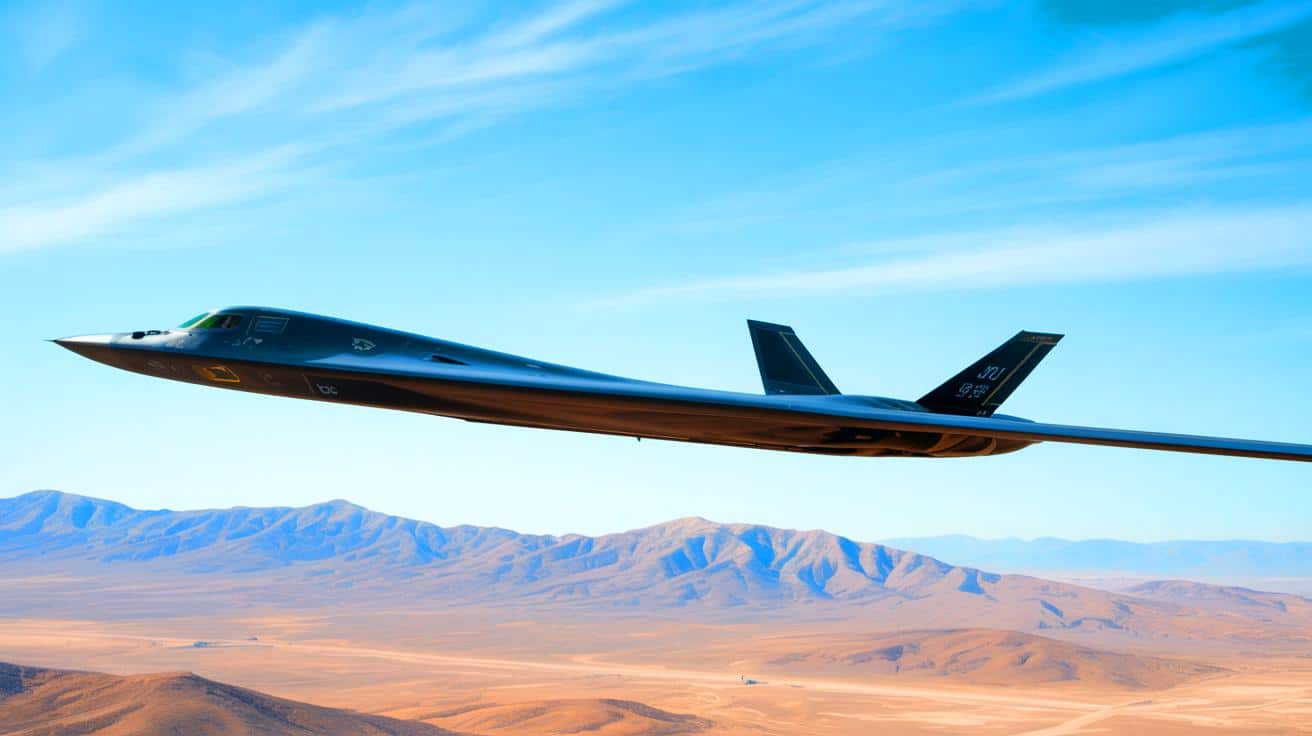
The U.S. Air Force has taken a significant step forward in its military capabilities with the arrival of the second B-21 Raider test aircraft at Edwards Air Force Base in California. This advancement is part of a broader effort to enhance the nation’s defense systems, particularly in the realm of stealth technology and strategic bombing. The inclusion of this new aircraft in the testing phase marks a pivotal moment in the ongoing development of the B-21 program, which is integral to the Air Force’s nuclear modernization strategy. As the testing progresses, it promises to offer invaluable insights into the operational readiness of this next-generation stealth bomber.
The B-21 Raider: A Cornerstone of Modernization
The B-21 Raider is not just another aircraft in the Air Force’s arsenal. It represents a leap forward in stealth technology and strategic capabilities. Designed to deliver both conventional and nuclear payloads, the B-21 is a critical component of the Department of the Air Force’s nuclear modernization strategy. This initiative aims to ensure the U.S. maintains a credible deterrent against potential adversaries well into the future.
Developed in partnership with Northrop Grumman, the B-21 Raider is expected to gradually replace the aging B-1 Lancer and B-2 Spirit bombers. Its advanced stealth features allow it to penetrate enemy defenses undetected, making it a formidable tool in maintaining global stability. The aircraft’s development and testing are overseen by the Air Force Rapid Capabilities Office, highlighting the program’s strategic importance.
“Russia Fires 619 Drones at Ukraine”: Massive Attack Terrifies NATO While Air Defenses Overwhelmed
Testing and Operational Readiness
With the arrival of the second B-21 Raider at Edwards Air Force Base, the Air Force’s testing capabilities have expanded significantly. This addition allows for more comprehensive testing of the aircraft’s mission systems and weapon integration, moving beyond initial flight performance checks. According to Secretary of the Air Force Troy Meink, the expanded testing is crucial for evaluating the bomber’s strategic deterrence and combat effectiveness.
The presence of multiple test aircraft at Edwards AFB provides Air Force maintainers with hands-on experience in managing simultaneous aircraft sustainment operations. This practical experience is vital for testing maintenance tools, technical data, and logistical processes, all of which are essential for supporting future operational squadrons. The accelerated testing and evaluation process aim to bring the B-21’s capabilities to warfighters faster, demonstrating the Air Force’s commitment to modernization.
Infrastructure Developments and Future Plans
As the B-21 program progresses, significant infrastructure developments are underway. Fiscal year 2026 will see the launch of extensive military construction projects at all three designated B-21 main operating bases. Ellsworth AFB in South Dakota, the first base set to receive operational B-21 aircraft, is already advancing rapidly on numerous infrastructure projects to ensure readiness upon the aircraft’s arrival.
Air Force Chief of Staff Gen. David Allvin emphasized the importance of these concurrent efforts in testing, sustainment preparation, and infrastructure investments. These initiatives clearly illustrate the Air Force’s commitment to providing unmatched capabilities to deter and defeat threats well into the future. The B-21 Raider program is not only about advancing aircraft technology but also about ensuring the necessary support systems are in place for its successful deployment.
Strategic Implications and Global Impact
The introduction of the B-21 Raider into the Air Force’s arsenal has significant strategic implications. As a sixth-generation stealth bomber, it serves as a deterrence tool, capable of delivering powerful payloads without detection. This capability is crucial in maintaining a balance of power on the global stage, where geopolitical tensions continue to rise.
The B-21’s development is a response to evolving threats and the need for a modernized defense strategy. It reflects the Air Force’s dedication to maintaining a technological edge over potential adversaries.
“The B-21 Raider program represents a cornerstone of our strategic nuclear modernization,” said Gen. David Allvin.
This statement underscores the bomber’s role in ensuring national security and its potential impact on global military dynamics.
As the B-21 Raider continues its testing phase, the Air Force is poised to gain critical insights into its capabilities and operational readiness. The program’s progress is a testament to the U.S. commitment to maintaining a robust defense posture amid evolving global challenges. How will the integration of the B-21 Raider reshape the future landscape of military strategy and international relations?
Continue reading