


Budapest’s Castle District voters back a short-term rental ban
District 1 has yet to turn a 58.6% vote for prohibition into rules, and an impact assessment and public consultation still come first.
 By
Adam Kovács
By
Adam Kovács
A majority of the residents who voted in a consultation in Budapest’s District 1 want short-term rentals such as Airbnb banned outright, according to figures from Mayor László Böröcz reported on 8 October 2026.
In brief
- According to Daily News Hungary , an online consultation about how the district should handle short-term accommodation drew 4,503 participating residents.
- That concept will be published for public consultation, and only then will a formal regulation be drafted.
- It wants to avoid a surge in rentals caused by restrictions elsewhere in central Budapest.
What the consultation showed
According to Daily News Hungary, an online consultation about how the district should handle short-term accommodation drew 4,503 participating residents. Some 21,450 permanent residents were entitled to take part, so participation stood at 21%, according to budavar.hu. The Budapest Business Journal also covers the result and the district’s next steps.
| Position of those who rejected a full ban | Share of all participants |
|---|---|
| Rentals allowed under local conditions | 18% |
| Rentals allowed without restrictions | 23.4% |
The opposing camp was itself split. Among the 41.4% who turned down a full ban, 18% preferred that rentals stay legal if they meet conditions set locally, whereas 23.4% wished them to continue with no restrictions at all. A ban drew its strongest backing in the Buda Castle zone, with 66% of participants voting for it. Only about one in five eligible residents took part in this online consultation.
The two outlets round the figures a little differently. The Budapest Business Journal speaks of just over 4,500 participants, with about 18% favouring some restrictions and 23% saying none were needed, which lines up with the more precise percentages given by Daily News Hungary.
A vote is not yet a ban
The municipality stresses that the outcome does not mean short-term rentals will be prohibited immediately. The local government will weigh residents’ views against an impact assessment before preparing a regulatory proposal. That concept will be published for public consultation, and only then will a formal regulation be drafted.
According to the municipality’s plans, committees and the district council could see the draft in November. Böröcz said the goal is to keep Buda Castle a peaceful, liveable home for its residents over the long run, through local rules that are transparent and enforceable.
The sequence is worth keeping in mind for anyone following the file. After the consultation result come the impact assessment, then a published concept open to public comment, then a drafted regulation, and finally the committees and the district council, which could see the text in November.
Why the timing matters
The consultation takes place with a deadline looming. Under current law, a national freeze on registering new accommodation establishments is set to lapse at the end of the year. District 1 wants to set its position before that date, and the municipality said new applications for short-term lodging could increase sharply once the moratorium ends.
The municipality also presented the question as one that touches everyday life. It stressed that short-term rentals affect residents’ daily routines and the peace of apartment buildings, particularly in and around Buda Castle, a residential area and a major tourist destination.
In other words, the district is trying to settle its position before the national freeze ends, rather than after a possible wave of new applications for short-term lodging.
Other districts, different stages
District 1 is not alone. Several central Budapest districts are at different points in the process:
- District 6 (Terézváros) held a local referendum and became the first Budapest district to ban Airbnb-style short-term rentals outright.
- District 8 (Józsefváros) had its council approve a regulatory concept in June, with a decision on detailed rules expected in October.
- District 13 ended its public consultation on a draft regulation on 2 October; results have not yet been announced.
District 13 estimates that about 1,100 to 1,200 flats operate as short-term private accommodation. It wants to avoid a surge in rentals caused by restrictions elsewhere in central Budapest.
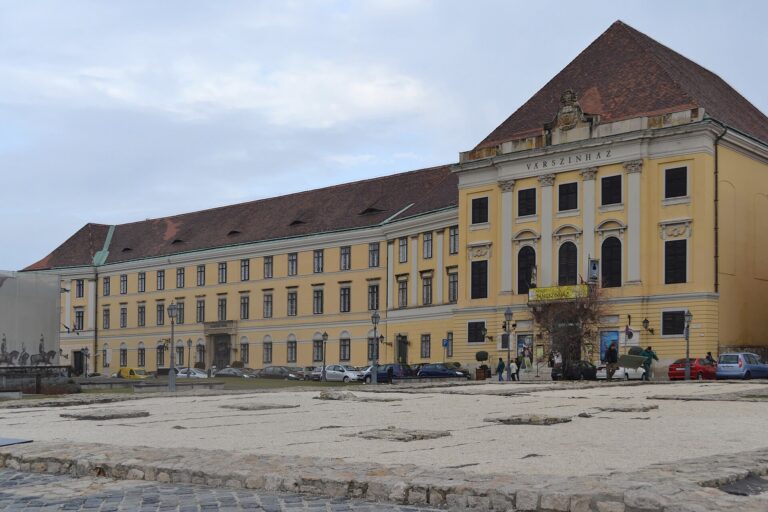
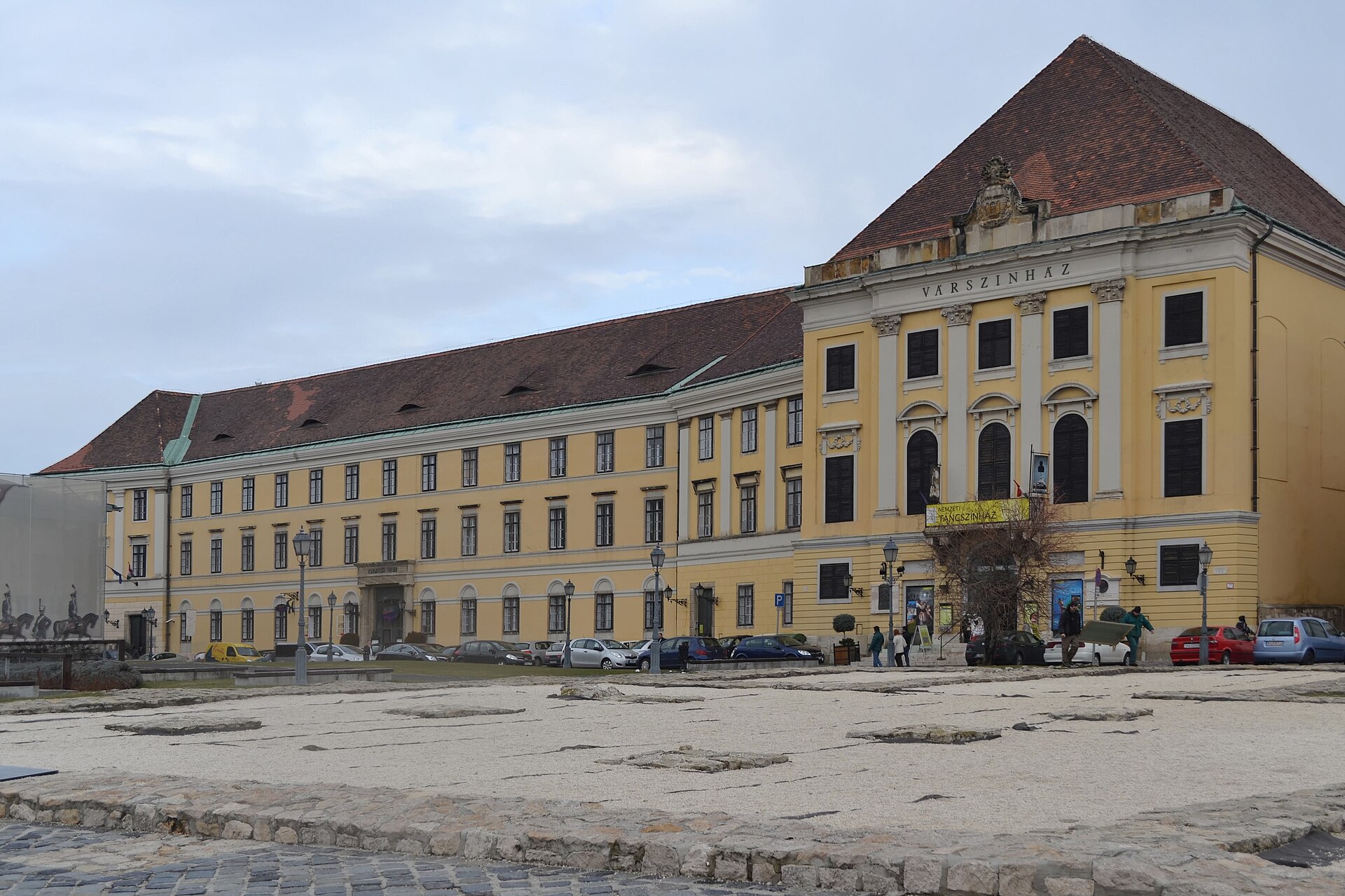
Featured image. Source: Wikimedia Commons. Credit: Slyronit. License: CC BY-SA 4.0.
Continue reading