

Brussels wants China to shrink its €1bn daily trade surplus, and talks have started in Beijing
Maros Sefcovic is meeting Chinese officials while Brussels weighs car import curbs and a faster response tool, with EU leaders due to discuss China next week.
 By
Juliette Carrel
By
Juliette Carrel
EU Trade Commissioner Maros Sefcovic opened two days of talks in Beijing on Thursday, 8 October, pressing China to start correcting a trade deficit he calls “unsustainable”.
In brief
- As DW reports, Sefcovic held talks in the Chinese capital with Commerce Minister Wang Wentao, after first meeting representatives of European companies working in China.
- Linked to that last point, the EU also wants clearer export-licensing arrangements for rare earths and other materials, since China introduced restrictions last year.
- Ignacio Garcia Bercero of the think tank Bruegel said an export-restraint agreement in a single sector could be tested.
As DW reports, Sefcovic held talks in the Chinese capital with Commerce Minister Wang Wentao, after first meeting representatives of European companies working in China. Of that corporate session he said: “The message around the table was clear: the need to improve access to the Chinese market, while boosting our economic security,”.
Negotiators from Brussels and Beijing have been in contact since June. Sefcovic had said he wanted “tangible results by October”, so this week’s visit falls inside the timetable he set. Of his first day he said: “Day one in China, with one goal: begin rebalancing our … unsustainable trade deficit,”.
Why Brussels calls the gap unsustainable
The daily gap is the headline number, but the trend matters too: EU figures put the deficit at its highest since 2022. Many in Europe blame the imbalance on unfair Chinese trade practices, including state subsidies and price dumping that undercut European rivals.
A month ago, Ursula von der Leyen, who heads the European Commission, cautioned that the imbalance:
“leads to deindustrialization in the industrial heartlands of Europe.”
Ursula von der Leyen, European Commission President
Bernd Lange, who chairs the European Parliament’s trade committee, says: “The EU has a well-supplied toolbox to counter unfair subsidies, dumping, discriminatory procurement and economic coercion.” His view that China’s economic difficulties hand the bloc bargaining power is his own opinion.

What the EU is asking for
According to CNA, Sefcovic has set three priorities:
- curbing the surge in imports in strategically important sectors;
- increasing European exports to the Chinese market;
- securing access to critical raw materials.
Linked to that last point, the EU also wants clearer export-licensing arrangements for rare earths and other materials, since China introduced restrictions last year. CNA assesses that Europe could face supply cuts or obstacles to its exports if relations worsened; that is an evaluation of risk, not a measure announced by Beijing.
Sefcovic also said: “We’re working hard to rebalance EU-China trade,”.
Cars, quotas and a split over tactics
Hybrid cars are the sharpest point of friction. Diplomats cited by DW say China has rejected calls to limit its hybrid exports to the bloc voluntarily, and Beijing firmly opposes import quotas. Brussels could, for its part, temporarily curb Chinese car imports through quotas and tariffs, according to DW.
According to a letter seen by AFP, French President Emmanuel Macron and German Chancellor Friedrich Merz call for a “credible instrument” to respond quickly to any escalation by Beijing, without explicitly naming China. It would let the Commission respond within days. EU leaders are expected to discuss relations with China at a summit in Brussels next week.
On Tuesday, China’s commerce ministry warned Paris and Berlin against “protectionist” measures. Mao Ning, spokesperson for the Chinese Foreign Ministry, said that “resolving economic and trade differences through equal dialogue and consultation is in the common interests of both China and the EU.”
Modest expectations for the outcome
Analysts are cautious about a broad agreement this week. Ignacio Garcia Bercero of the think tank Bruegel said an export-restraint agreement in a single sector could be tested.
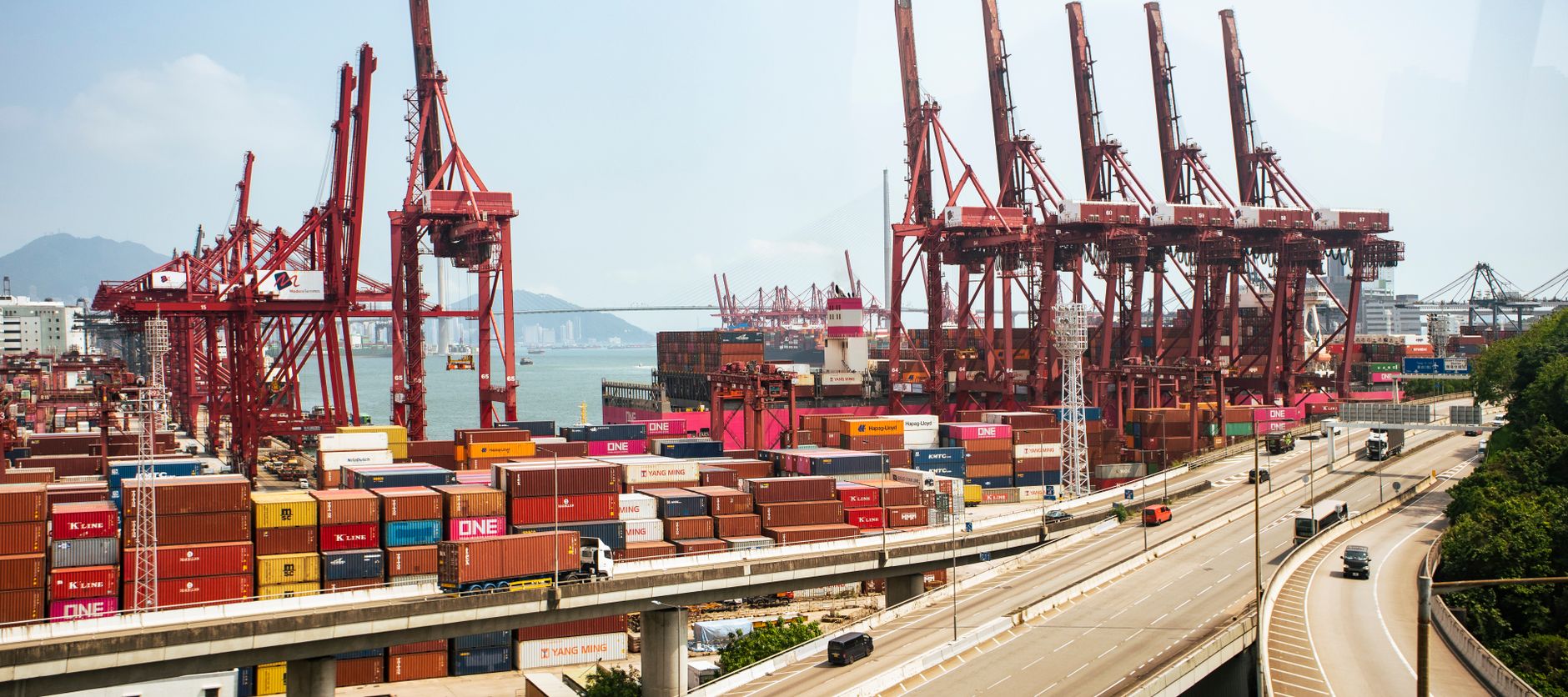
Featured image. Source: Pexels. Credit: Jimmy Chan. License: Pexels License.