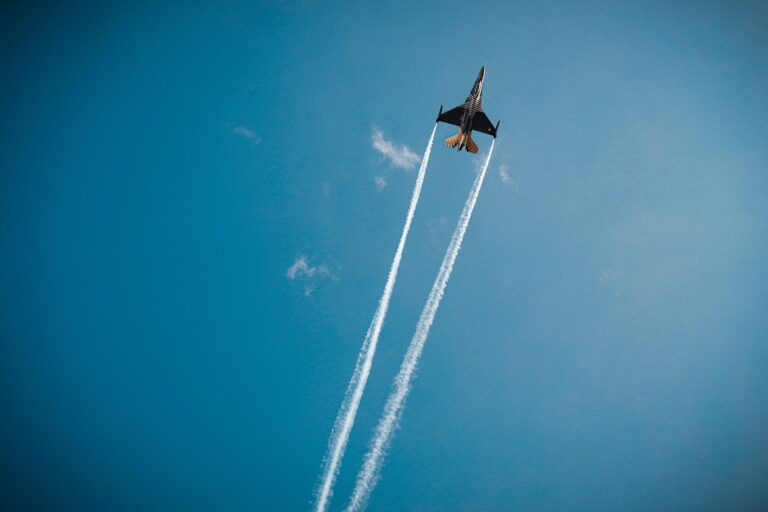



RAF jets met unidentified drones at 17,000 ft over the North Sea, the Telegraph reports
British troops will rehearse a Ukraine ceasefire deployment alongside French and German forces, while police examine drones spotted at RAF jets’ altitude.
 By
Juliette Carrel
In brief
- Unidentified drones came close to RAF jets twice during North Sea training earlier this year, the Telegraph reports.
- Hundreds of British troops head to Poland next month for a drill simulating a Ukraine deployment after a ceasefire.
- The EU is reportedly preparing a plan letting Britons under 30 take paid jobs in Europe.
- An Ipsos poll shows the Conservatives back as the main opposition, the Daily Mail says.
Two encounters between RAF jets and unidentified drones over the North Sea, reported by the Daily Telegraph, headed British front pages on Friday, 16 October, alongside news of a military rehearsal in Poland.
The newspaper review compiled by BBC News brings together stories that touch Central Europe directly, from Polish training grounds to Brussels negotiating rooms, as well as shifts in Washington’s approach to the war in Ukraine.
Drones at fighter-jet altitude
According to the Telegraph, the jets were on training exercises earlier this year when the two “near-misses” occurred, separated by only a few days. The altitude is what makes the episode striking.
Incident logs the Telegraph has seen indicate that the RAF passed the sightings to police. The same documents point to “multiple different external investigations” still under way. Nothing published so far identifies who flew the drones or why.
A first rehearsal for a ceasefire mission
The Times reports that hundreds of British soldiers will travel to Poland next month to practise what a deployment to Ukraine would look like if a ceasefire were agreed. The paper describes the drill as “the first of its kind” and says French and German personnel will take part too. Poland, Ukraine’s neighbour and a frontline NATO state, thus becomes the testing ground for a scenario that remains hypothetical: the reporting concerns an exercise, not a decision to send forces.
The domestic tone hardened on the same day. The Daily Express reports that the head of the Army, Gen Sir Roly Walker, warned that political leaders will ask “ordinary Britons” to get ready for war.
“You will need to fight for us”
Daily Express headline, quoting Gen Sir Roly Walker
A shifting backdrop in Washington and Brussels
Other titles described movement on several fronts, each still at the stage of press reporting rather than confirmed decisions:
- The Independent calls this a “pivotal week” for the war, with the White House seeking lower diesel prices by loosening sanctions on Russia’s shadow fleet.
- The same paper writes that this change arrives as Ukraine’s stock of American Patriot weapons runs low.
- The iWeekend says the European Union is drafting a plan so that Britons under 30 can work for pay in Europe.
- According to the iWeekend, Brussels “could back down” on tuition fees and youth work visas, which the paper attributes to a wish to finalise an updated Brexit deal fast.
Politics and business at home
| Newspaper | Subject | Reported development |
|---|---|---|
| Daily Mail | Ipsos poll | Kemi Badenoch’s Conservatives have overturned the 28-point lead Reform UK held in May, making them the main opposition again |
| Financial Times | Apple and the Competition and Markets Authority | Apple is preparing to resist the regulator’s demand that it open its digital wallet technology to rival payment providers |
Commenting on the poll, a pollster told the Daily Mail that “tectonic plates are shifting on the Right of British politics”.
Photo: Olcay Ayvaz / Pexels