


About a third of people snack every night after dinner, researchers say
Appetite peaks in the evening, and the brain’s reward system pushes people toward rich foods even after dinner, say researchers cited by the BBC.
 By
Juliette Carrel
In brief
- About a third of people snack every night after their evening meal, according to research cited by the BBC.
- Ghrelin, the hunger hormone, is generally higher later in the day, and the brain’s reward system favours calorie-dense foods.
- Whether late snacking harms sleep is unclear, because poor sleep can itself drive cravings.
- Experts advise finding the trigger first, then adjusting meals or routines and planning snacks.
Half an hour after a full dinner, many people find themselves in the kitchen again, and researchers say biology is part of the reason. The BBC reported on 6 November 2026 on research into why evening cravings are so common and what can be done about them.
An appetite that peaks after dark
Studies indicate that hunger climbs naturally as night approaches, whatever quantity of food someone consumed earlier, although the body receives nothing while asleep. Prof James Betts, a University of Bath researcher into the way our bodies process food and energy, highlights ghrelin, nicknamed the “hunger hormone”, whose levels are usually elevated later on. As he puts it: “While it tends to be suppressed by meals, that really only happens after the first meal of the day, not after lunch or dinner.”
Hunger is not the whole story. Craving for energy-packed foods also grows as the hours pass, fuelled by the reward circuitry of the brain and not by any real energy requirement. Dr Kristine Beaulieu, a dietitian affiliated with the University of Leeds and the University of Moncton, notes: “Our liking and wanting for high-fat foods are greater later in the day compared to low-fat foods,” an urge capable of overriding the body’s fullness signals. Products loaded with sugar, fat or salt may go on stimulating those reward pathways even once a hearty meal is finished.
Other triggers, and a link to weight
A dinner built around protein, fibre and bulk usually leaves people feeling full for a longer time. According to Betts, an evening meal lacking nutrition or staying power may bring on a later “crash” and a bout of snacking. Some people snack because they dread waking in the small hours with an empty stomach, and routine plays its role as well. Prof Suzanne Higgs, who specialises in appetite at the University of Birmingham, says: “If snacking often happens in the same setting, the surrounding cues can start to trigger cravings,” for instance switching on the television. She adds that eating while the mind is elsewhere may make people take in extra food, since they notice less what they have eaten.

Beaulieu argues that weight is at stake here: she cites evidence showing that the closer to bedtime people eat, specifically in the two hours before going to bed, the higher their chances of putting on weight and developing obesity.
What is known about sleep
Whether eating late damages sleep remains unclear, with mixed findings. A big meal late in the evening disturbs digestion and interferes with the way the body usually gets ready for rest, yet studies of snacking give a murkier picture. Certain research ties poorer sleep to products rich in refined carbohydrates and added sugars, for example white bread, white rice, biscuits and cakes. Scientists suspect that larger blood sugar fluctuations and changed hormonal signals could play a role.
Still, separating cause from effect is tricky. Those who sleep poorly may be more inclined to seek out sugary food. Prof Jonathan Johnston, an expert on sleep and the body clock at the University of Surrey, states: “Sleep deprivation is known to not only increase appetite, but also a desire for energy-dense foods.” Betts concludes that solid conclusions are very hard to reach, and that the findings may simply show individuals reacting in different ways to various foods eaten before bed.
A practical order of action
- Work out what is driving the snacking.
- When hunger is real, the answer is to make your previous meals more substantial.
- If the habit is mainly routine, change the routine and plan snacks in advance.
- Place nutritious choices like fruit, yoghurt and nuts close at hand.
Beaulieu explains that evening snacks need not be forbidden altogether. “It’s OK to eat those craved foods once in a while in moderation,” she says, adding that the aim is for the healthy option to be the automatic choice. When tempting foods are not usually stocked at home and a healthier alternative is, people tend more often to choose the latter.
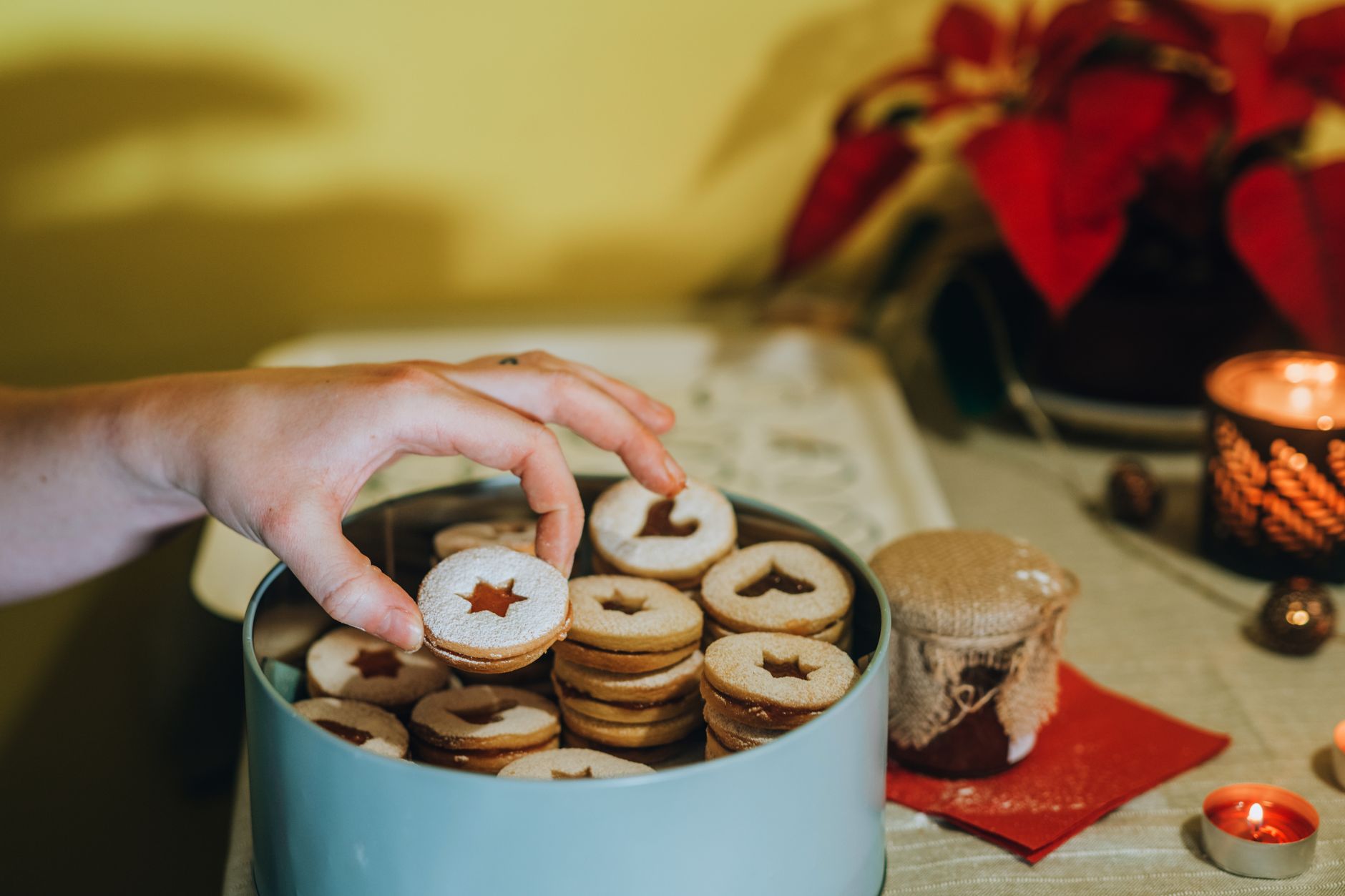
Photo: Helena Jankovičová Kováčová / Pexels