






News and ideas from Central Europe
Science
Stealth bombers, hypersonic aircraft, deep-sea neutrino detectors and Mars rovers: the Science section covers military technology alongside space, physics and archaeology research, explained for curious readers.
Continue reading
Articles look at the cost and deterrent value of the stealth bomber, a supersonic plane spotted on Google Earth, and metal-cutting drones from China. Research stories cover a Chinese deep-sea detector hunting ghostly neutrinos and a European Mars rover built to drill deeper than before.
Archaeology occasionally appears too, such as a newly found fortress in the Sinai. With several hundred pieces, the section works best by topic: aviation, drones, space, or ancient history. Readers interested in how military technology evolves should start with the aircraft profiles. Space and physics stories offer a lighter entry point.
376 stories
Page 2
Latest stories

“It Slipped Right Past Us”: This Asteroid Flew Closer Than the Space Station Before Anyone Noticed (and It Could Happen Again)
Asteroid 2025 TF narrowly missed Earth, passing within the orbit of the International Space Station. The asteroid was discovered only after its close pass, highlighting…

“They’re Building Space Weapons”: Inside America’s Secret Race to Control the Final Battlefield Above Earth (and China’s Already There)
The transformation of space into a contested domain demands an overhaul in U.S. strategic approaches. Offensive and defensive satellite systems are crucial for asserting dominance…
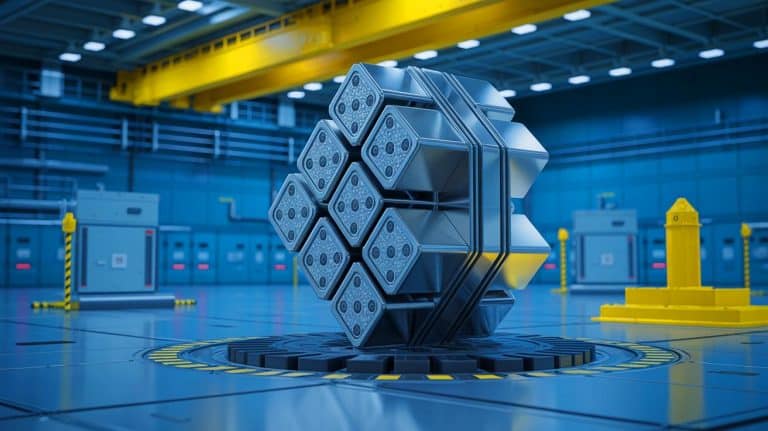
“This Could Redefine Nuclear Power”: This New Fuel From GE and Hitachi Promises Safer Reactors and Cheaper Energy (and It’s Already Approved)
GE Vernova and Hitachi launch GNF4 nuclear fuel for boiling water reactors, enhancing performance and reducing costs. The new fuel features an 11×11 fuel matrix,…

“Watch How MIT Just Changed Fusion”: This Breakthrough Predicts Plasma Before It Destroys Reactors (and It Could Finally Make Clean Energy Real)
Scientists at MIT have developed a new method to predict plasma behavior during the rampdown phase. The innovative approach combines machine learning with a physics-based…

“MIT’s TX-GAIN Supercomputer Hits 2 Exaflops”: The Most Powerful University AI System in the U.S. Redefines Scientific Research
MIT unveils TX-GAIN, the most powerful U.S. university AI supercomputer at the Lincoln Laboratory. TX-GAIN achieves 2 AI exaflops performance, revolutionizing research capabilities in diverse…
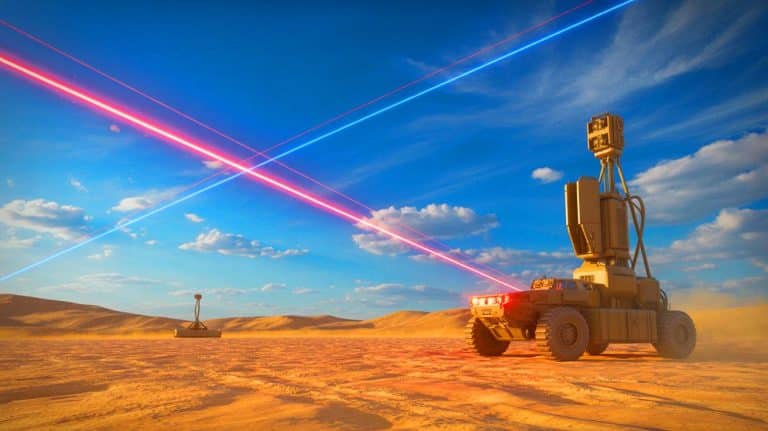
“They Just Beamed Electricity Five Miles Through the Air”: DARPA Breaks Record With Laser-Based Wireless Power Transmission
DARPA’s POWER program sets a record by wirelessly transmitting 800 watts over 5.3 miles. The Power Receiver Array Demo converts laser beams into electricity with…

“They Built a Robot That Guards Both Worlds”: ARGUS Merges AI, Robotics, and Cybersecurity Into a Single Autonomous Defense System
ARGUS integrates robotics and cybersecurity for a dual-defense system. Utilizes AI-powered computer vision and sound detection to identify threats. Future iterations could involve swarms of…
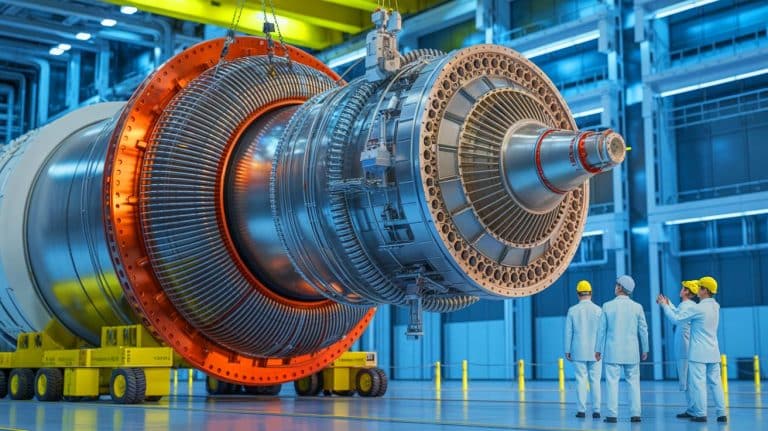
“Power of the Sun, Built on Earth”: China’s Crucial Reactor Delivery Pushes the ITER Fusion Project Toward Limitless Clean Energy
China delivers a critical component for the ITER nuclear fusion project. ITER represents a global collaboration with seven international partners. Nuclear fusion promises clean and…

“Nothing Like This Has Ever Orbited”: The U.S. Space Force’s Secret Space Carrier Could Redefine Power in Orbit (and who controls it)
The U.S. Space Force partners with Gravitics to develop an orbital aircraft carrier for satellite deployment. The carrier provides protection for satellites, safeguarding sensitive electronics…

“America’s Boldest Fusion Yet”: AI Data Centers To Be Powered By Next-Gen Nuclear Reactors At Historic Savannah River Site (a global first)
The U.S. is integrating advanced nuclear energy with AI to revolutionize both sectors. Historic sites like the Savannah River Site are central to this initiative.…

“Closest Alien Neighbors 33,000 Light-Years Away”: New Study Warns Complex Life Is Far Rarer Than Thought As Earth Nears Oxygen Collapse
New research suggests planets capable of supporting complex life are much rarer than previously thought. The sun’s aging process could lead to significant atmospheric changes…
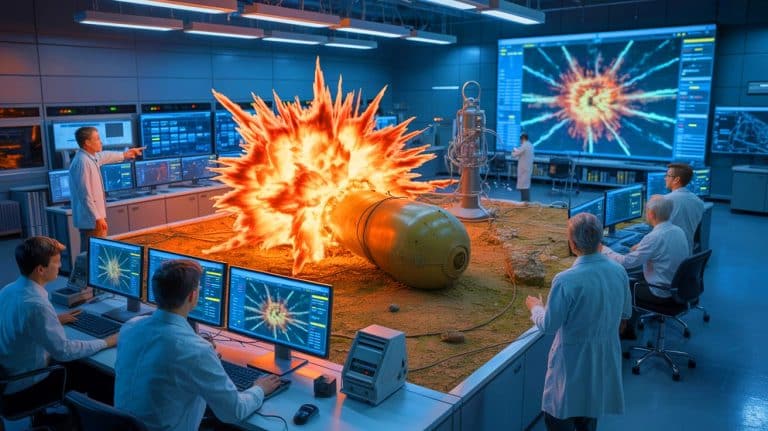
“WWII Bombs Still Haunt Germany”: New Simulation Tech Predicts Underground Shock Waves To Keep Cities Safe During Explosive Disposal Operations
Unexploded WWII bombs continue to pose significant risks in Germany, affecting daily life with evacuations and disruptions. Researchers are developing advanced simulation software to predict…