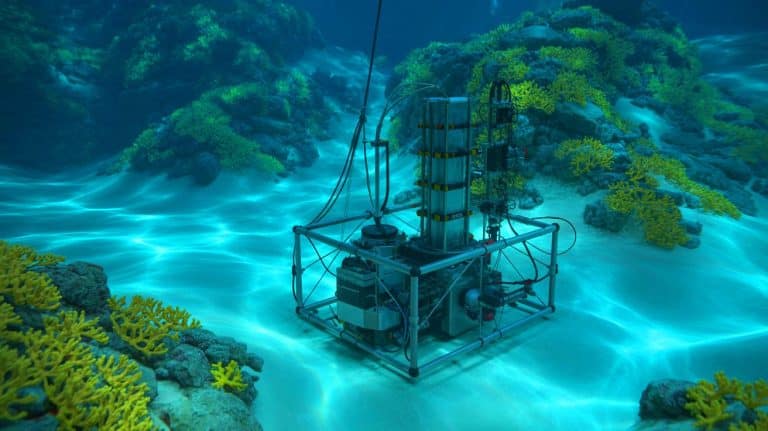



“US Breakthrough Turns Toxic Water into Gold”: Scientists Extract 92% Pure Fertilizer and Fuel from Contaminated Waste
 By
Adam Kovács
By
Adam Kovács

| IN A NUTSHELL |
|
Researchers at Yale University have made a groundbreaking discovery that could revolutionize water purification and resource production. By developing a method to convert nitrates in contaminated water into ammonia, they not only address a significant environmental pollutant but also create a valuable resource. This ammonia can be used as a fertilizer and as a component in carbon-free fuels, offering a dual benefit. This innovation is crucial as it tackles the challenge of nitrate pollution, which has long been a problem due to its negative impact on water quality. The method achieves a remarkable 92% conversion rate, marking a significant advancement in the field of sustainable chemistry.
New Sustainable Solution
Nitrate pollution is a pervasive issue in wastewater, and while nitrates are essential for plant growth, their excess can lead to severe water quality degradation. The concept of converting nitrates to ammonia is not new, but achieving this efficiently and cost-effectively has been a formidable challenge. Traditionally, scientists have relied on costly and complex materials to enhance conversion rates, focusing on improving electrocatalysts. However, these methods often increase the overall cost, especially when addressing large-scale wastewater treatment.
Yale researchers, led by Professor Lea Winter, have introduced a novel “two-pronged solution” to overcome these challenges. They incorporated an ionophore, which acts like a magnet, holding onto nitrite, a byproduct of the conversion, ensuring it stays in place until fully converted into ammonia. This innovation significantly boosts the amount of usable ammonia produced. The use of an ionophore allows for higher ammonia selectivity, addressing both efficiency and cost concerns in the conversion process, making it a promising solution for large-scale applications.
Takes Seconds for Conversion
The second component of Yale’s innovation is the use of an electrified membrane, composed of copper and carbon nanotubes, serving as a platform for rapid electrochemical conversion. This component accelerates the conversion process, achieving it in mere seconds, compared to the hours typically required. While the speed of the reaction poses the risk of producing excessive nitrite, the combination of the electrified membrane with the ionophore ensures both high activity and high selectivity.
This dual approach allows Yale’s system to outperform existing methods, achieving a remarkable conversion time of just six seconds and maintaining stability under real-world conditions, as tested on lake and wastewater treatment plant samples. The system’s efficiency and real-world applicability demonstrate its potential to revolutionize water treatment processes, offering a viable solution for large-scale implementation.
Potential for Scaling Up
The successful outcomes of this research suggest that the technology could be integrated into conventional water treatment systems. The use of flexible membranes, coupled with the system’s stability, makes it a viable candidate for scaling up. As the technology advances, it holds the promise of creating a cleaner future by reducing pollution and offering a sustainable source of fertilizers and fuels.
The implications of this technology extend beyond water purification, as it provides a sustainable method of producing resources crucial for agriculture and energy sectors. The findings, published in the prestigious journal Nature Chemical Engineering, highlight the significant impact such innovations can have on environmental sustainability and resource management.
Broader Impacts and Future Prospects
The development of this technology is a testament to the power of innovative research in addressing critical environmental issues. By converting a common pollutant into a valuable resource, Yale researchers have paved the way for breakthroughs in sustainable chemistry. This dual-purpose approach not only purifies water but also contributes to the production of essential resources, aligning with global sustainability goals.
As we look to the future, the question remains: how will these advancements in electrochemical technology shape the landscape of environmental management and resource production? The potential for this innovation to be adapted and scaled across various industries offers a glimpse into a future where technology and sustainability work hand in hand to address pressing environmental challenges.
Continue reading