
Harvard Study Finds “Dams Moved Earth’s Axis” by More Than One Meter After Two Centuries of Construction
 By
Adam Kovács
By
Adam Kovács
| IN A NUTSHELL |
|
In the last two centuries, humanity’s quest for hydraulic progress has inadvertently shifted the balance of our planet. By constructing massive dams, we have altered the distribution of water masses on Earth, leading to unexpected consequences for our planet’s rotation. It’s akin to adding a massive weight to one side of a perfectly balanced ball. This colossal redistribution has subtly deviated Earth’s rotational axis by over three feet. Though this shift may seem minor, it carries significant geophysical implications, raising questions about the true impact of human activity on our planet’s fundamental balance.
The Illusion of Hydraulic Progress: How Dams Destabilized the Planet
For nearly two centuries, the construction of dams has been a hallmark of human progress. These structures were initially erected to irrigate crops, generate electricity, and prevent floods. The primary goal was clear, control water resources. However, the consequences of these endeavors extend far beyond their initial scope. By storing enormous volumes of water in specific areas, we have inadvertently altered the distribution of Earth’s mass.
This imbalance has led to an unforeseen effect: the deviation of Earth’s rotational axis. The geographical pole has shifted discreetly, moving more than three feet. While this displacement might seem inconsequential at first glance, it has tangible geophysical consequences. The shift underscores the unexpected reach of human influence on our planet, highlighting the need to reassess the broader impact of our infrastructure projects.
Thousands of Dams Built Without Knowing They Would Tip the Earth
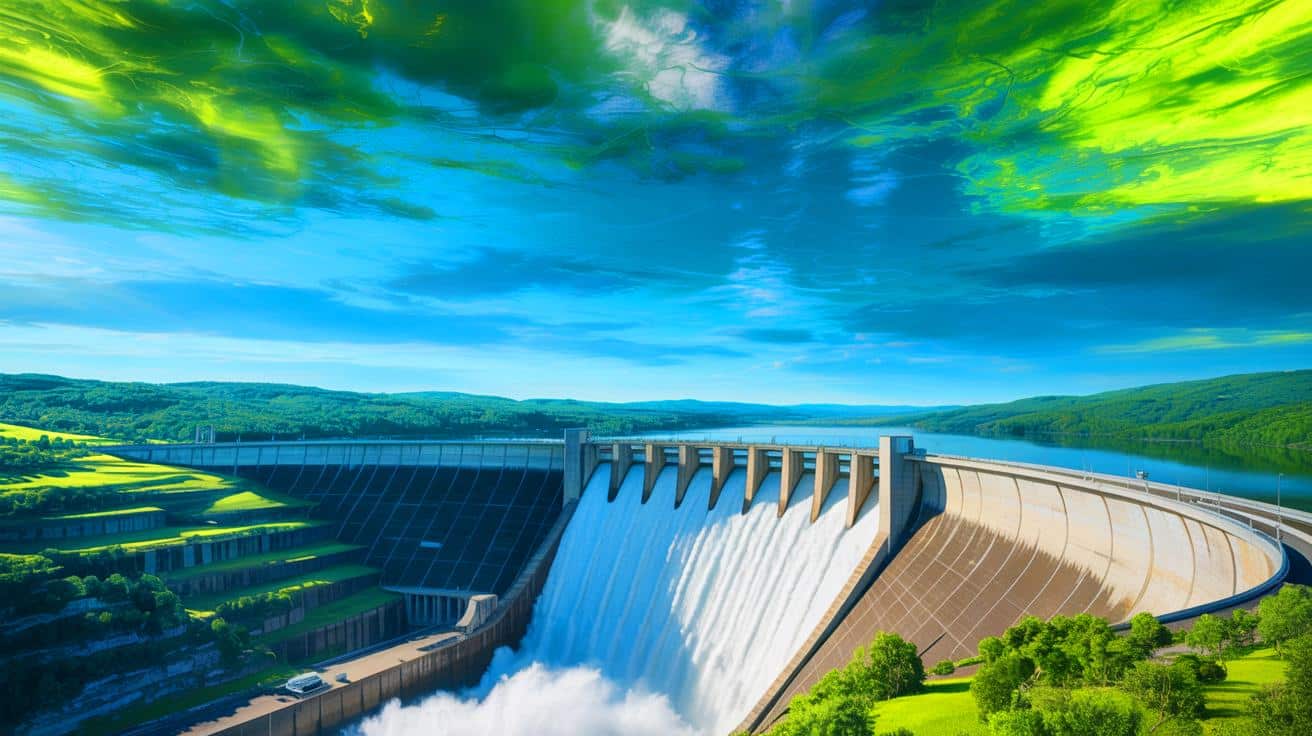
The phenomenon of polar drift, known as true polar wander, describes the shifting of the poles due to surface changes rather than internal forces. Human activity, notably the construction of dams, has been a significant driver of this shift. Between 1835 and 2011, approximately 7,000 dams were built worldwide. Collectively, they hold enough water to fill the Grand Canyon twice.
This massive redistribution of water has not only affected Earth’s rotation but also temporarily slowed the rise of sea levels. By retaining freshwater within continents, these structures have prevented some of it from contributing to rising ocean levels. The reality that hydraulic infrastructures influence the planet’s movements is something few have considered. This influence is more direct and profound than previously imagined, prompting a reevaluation of the long-term impacts of such projects.
This Shift Reveals the Unseen Extent of Our Geophysical Power
While a three-foot shift might seem trivial on a global scale, it represents humanity’s capacity to alter Earth’s fundamental balances. Historical data reveal two significant phases in this drift. The first phase, from 1835 to 1954, saw the rise of large dams in Europe and North America, pushing the North Pole eastward. The second, more recent phase, coincided with the construction of dams in Asia and Africa, causing the pole to drift westward.
The direct consequence of this is that sea levels do not rise uniformly. The geometry of sea-level rise is influenced by the displaced water mass on the planet. Each reservoir and water retention area contributes to reshaping the future trajectory of climate change. This realization necessitates a deeper understanding of how each infrastructure project can alter not just the local environment but the global one as well.
Can We Rebalance What We Have Unintentionally Unbalanced?
The construction of dams, intended to protect, regulate, and secure, has had unintended planetary consequences. This highlights the butterfly effect on a global scale. If a three-foot shift can move the poles, what might future projects cause? And how do we measure Earth’s response to human-induced changes?
It may be time to broaden our perspective. Beyond the effects of climate change, we must consider how the planet reacts to our technological advancements. No longer are we just altering its climate or biodiversity; we are now affecting its fundamental balance. What steps can we take to ensure that our future actions do not further disrupt the delicate equilibrium of our planet?
Continue reading