



“This Feels Like Theft”: Outrage Explodes as Dubai Secures Massive Slice of U.S. Land to Drain America’s New Oil
 By
Adam Kovács
By
Adam Kovács
| IN A NUTSHELL |
|
The global energy crisis has prompted innovative collaborations and groundbreaking projects aimed at reshaping the energy landscape. Among these endeavors is the Baytown Project, a joint initiative between the Abu Dhabi National Oil Company (Adnoc) and ExxonMobil. The project aspires to establish the world’s largest low-emission hydrogen plant, setting a new benchmark in sustainable energy production. While the potential economic and environmental benefits are substantial, the project’s success will rely heavily on political support and government subsidies in the United States. As this partnership unfolds, it holds the promise of significant contributions to both local economies and the global energy transition.
The Baytown Project: A New Era of Energy Production
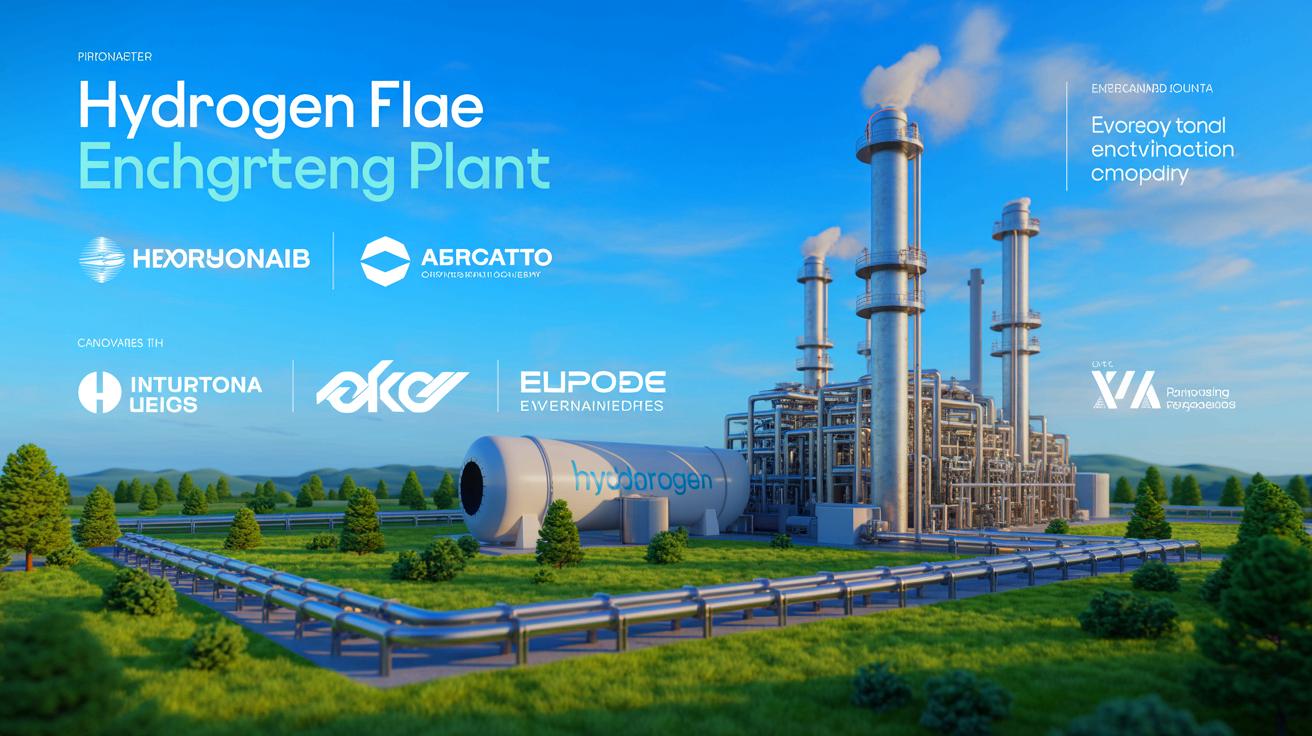
The Baytown Project, a collaborative effort between Adnoc and ExxonMobil, aims to revolutionize the production of low-emission hydrogen. At its core, the project plans to create the largest hydrogen plant capable of producing up to 1 billion cubic feet of blue hydrogen per day. Blue hydrogen is generated from natural gas, with the critical advantage of integrated carbon capture, significantly reducing emissions compared to traditional methods.
This ambitious venture is set to power refineries and energy plants across Europe, Japan, and Korea. A notable feature of the project is its goal to capture up to 98% of carbon emissions during production. This effort will facilitate the annual production of 1 million tons of low-carbon ammonia, emerging as a vital component in the global shift towards sustainable energy.
An Ancient Climate “Runaway Event Revealed” That eerily Mirrors the Deadly Heatwaves Happening Now
Challenges and Risks: The Political Landscape
Despite the promise of the Baytown Project, it faces significant political and economic challenges that could impact its viability. The United Arab Emirates has made a substantial investment, acquiring a 35% stake in the project located in Texas. However, the continuation of the project largely depends on U.S. government subsidies for blue hydrogen.
ExxonMobil has raised concerns about the lack of clear tax incentives for blue hydrogen, threatening to withdraw from the project by early 2024 if it remains ineligible under current U.S. Treasury guidelines. The political landscape, particularly in the aftermath of upcoming American elections, may influence the availability of these crucial subsidies. Successfully navigating these political complexities will be essential for securing the necessary support and funding.
Implications for the Global Energy Crisis
Amidst political uncertainties, the Baytown Project stands as a critical development in addressing the global energy crisis. Beyond being a commercial agreement, this partnership signifies a significant advancement in the global adoption of transitional energy solutions. Adnoc’s commitment to achieving zero emissions by 2045 highlights the strategic importance of this project for the United States, while ExxonMobil strengthens its role as a leader in carbon capture and sustainable fuel technologies.
Locally, the project promises economic benefits, including job creation and community support in Texas. If successful, operations are slated to begin in 2029, potentially positioning this partnership as a leading force in the energy sector. It could even eclipse recent high-profile international alliances in terms of impact and significance.
Looking Ahead: A Transformative Partnership
The collaboration between Adnoc and ExxonMobil represents more than just a business venture; it is a transformative step towards sustainable energy solutions. By potentially redefining low-carbon energy production, this project could spearhead the transition to cleaner fuel sources. However, its success hinges on political backing, technological progress, and international cooperation.
As the world closely monitors this ambitious initiative, the critical question remains: Will the Baytown Project emerge as a trailblazer in innovation and collaboration, addressing our energy challenges, or will it falter under the weight of political and economic obstacles often faced by groundbreaking projects?