

“This Could Start World War Three”: Ukraine Destroys Russian Nuclear Defense Systems While Putin’s Massive Retaliation Threatens To Drag NATO Into Global Nuclear Conflict
 By
Adam Kovács
By
Adam Kovács
| IN A NUTSHELL |
|
The ongoing conflict between Ukraine and Russia continues to escalate, with both nations fiercely contesting territories and deploying strategic military operations. Despite international efforts to mediate peace talks, the absence of a ceasefire agreement has led to intensified confrontations. Recently, Ukraine achieved a significant military victory by dismantling a key Russian missile system radar in Crimea. This development highlights the ongoing struggle for territorial control and the broader geopolitical implications within the region.
Ukraine’s Strategic Move in Crimea
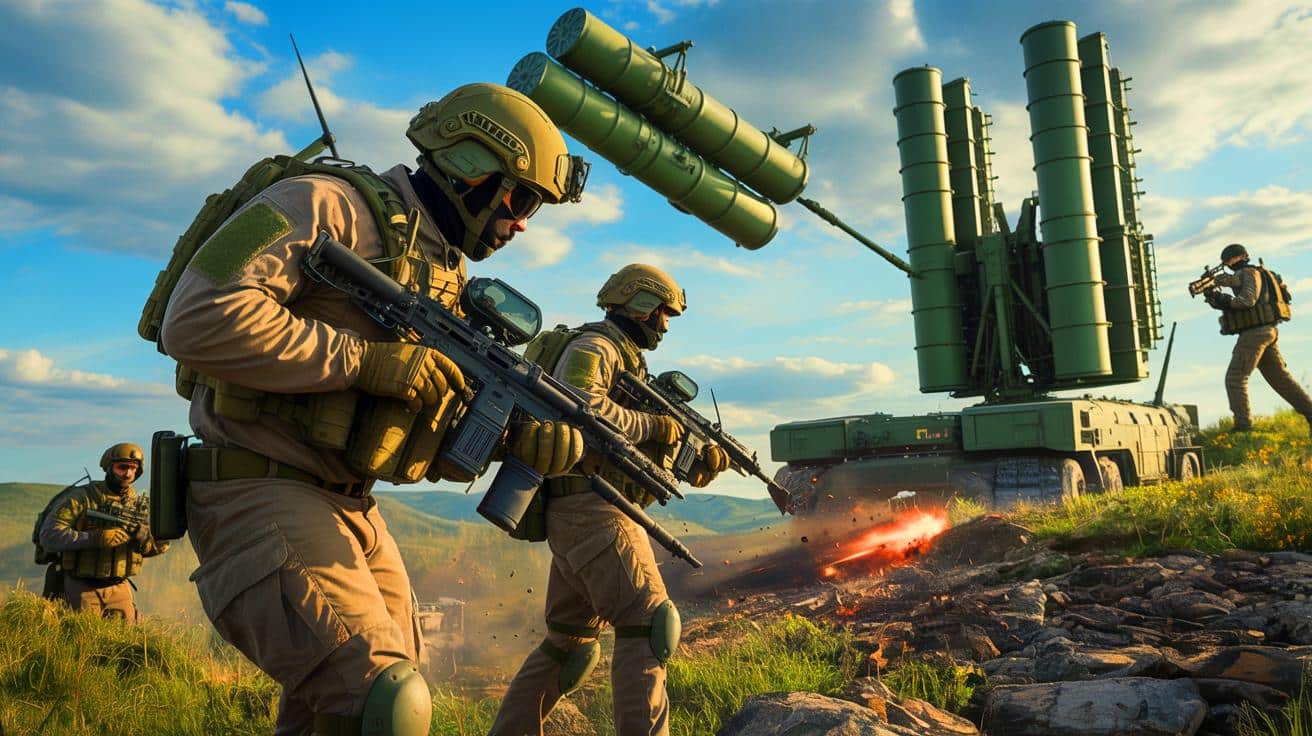
The destruction of the S-300 radar system by Ukrainian forces marks a pivotal moment in the conflict. This radar, crucial for detecting and intercepting aerial threats, was positioned in Crimea, a region annexed by Russia in 2014 but claimed by Ukraine. By neutralizing this system, Ukraine demonstrated a tactical advantage, aiming to weaken Russia’s defensive capabilities.
Crimea holds strategic importance due to its geographical location and military infrastructure. Before Russian annexation, it was home to a significant Ukrainian naval base. The successful strike on Russian defenses in this area underscores Ukraine’s determination to reclaim control. This move not only disrupts Russian military operations but also signals Ukraine’s resilience in the face of prolonged aggression.
Escalating Violence and Retaliatory Strikes
The destruction of the S-300 radar is part of a broader pattern of intensified hostilities. Ukrainian forces have recently targeted other Russian defense systems, including a mobile S-400 unit. Simultaneously, drone attacks on Russian oil facilities have increased, further straining relations between the two nations.
Russia, however, is not passive in this conflict. On August 29, a coordinated offensive by Moscow targeted 14 Ukrainian regions, employing hundreds of drones and missiles. This onslaught aimed at civilian areas has drawn international condemnation. Ukrainian President Volodymyr Zelensky has urged global leaders to impose stricter sanctions on Russia, highlighting the urgent need for international intervention.
The Role of International Mediation
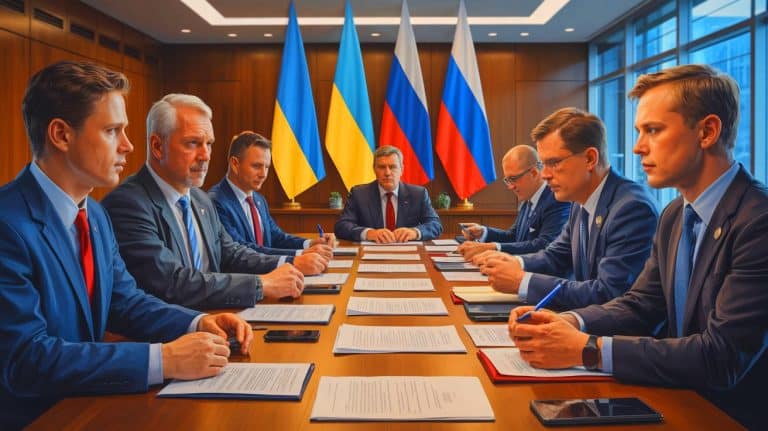
Despite these escalations, international diplomacy continues to seek a resolution. The United States, under the leadership of former President Donald Trump, has been involved in facilitating discussions. However, the lack of tangible progress in ceasefire negotiations reflects the complexities of the conflict.
The involvement of global powers in mediating peace underscores the conflict’s international significance. It raises questions about the effectiveness of diplomatic efforts and the potential for a sustainable resolution. As both nations remain entrenched in their positions, the prospect of peace seems distant, emphasizing the need for renewed diplomatic strategies.
Humanitarian Concerns Amidst Conflict
The ongoing conflict has severe humanitarian implications. The relentless military operations have resulted in civilian casualties and widespread displacement. The international community has expressed concern over the humanitarian crisis, urging both sides to prioritize civilian safety.
Efforts to deliver humanitarian aid face significant challenges due to the volatile security situation. Local and international organizations struggle to provide necessary support to affected populations. The escalation of violence exacerbates these challenges, highlighting the urgent need for a comprehensive approach to address the humanitarian fallout of the conflict.
As the conflict between Ukraine and Russia continues to evolve, the stakes remain high for both nations and the international community. The recent developments in Crimea exemplify the complexity of the situation, raising critical questions about the future trajectory of this protracted conflict. How can international efforts be realigned to foster meaningful dialogue and pave the way for lasting peace in the region?
Continue reading