


“This Changes Everything Forever”: ITER Nuclear Fusion Reactor Completes Final Magnet Module As 35 Nations Race Toward Unlimited Clean Energy
 By
Adam Kovács
By
Adam Kovács
| IN A NUTSHELL |
|
The quest for a sustainable and abundant energy source has taken a significant leap forward with the progress of the ITER nuclear fusion reactor project. This ambitious endeavor aims to harness the power of fusion, a process that powers the sun, to generate energy in a way that is clean, safe, and virtually limitless. As the world grapples with energy demands and environmental concerns, ITER represents a beacon of hope. Recently, a pivotal milestone was achieved with the completion of the final module of the reactor’s magnet system, bringing this groundbreaking project one step closer to fruition.
Understanding the Science Behind Fusion Energy
Nuclear fusion is a process where atomic nuclei combine to form a heavier nucleus, releasing a tremendous amount of energy. This is the same reaction that fuels stars, including our sun. In contrast to nuclear fission, which splits atoms and has been the basis for current nuclear power plants, fusion promises to be a safer and more environmentally friendly alternative. The process requires extremely high temperatures, about 150 million degrees Celsius (270 million degrees Fahrenheit), to overcome the electrostatic forces that repel the positively charged nuclei.
ITER’s approach involves using isotopes of hydrogen, such as deuterium and tritium, to achieve fusion. When these isotopes merge, they form helium and release a neutron along with energy. Unlike fission, fusion does not produce long-lived radioactive waste. This makes it an attractive option for sustainable energy production. Moreover, the fuel for fusion, primarily derived from seawater, is abundant and widely available. This positions fusion as a potential game-changer in the global energy landscape.
The ITER Project: A Global Collaboration
ITER, which stands for International Thermonuclear Experimental Reactor, is a collaborative effort involving 35 countries, including the United States, the European Union, Russia, China, India, Japan, and South Korea. The project’s headquarters are based in Cadarache, France. This multinational partnership underscores the global commitment to advancing fusion technology. Each participating nation contributes resources, expertise, and funding to ensure the project’s success.
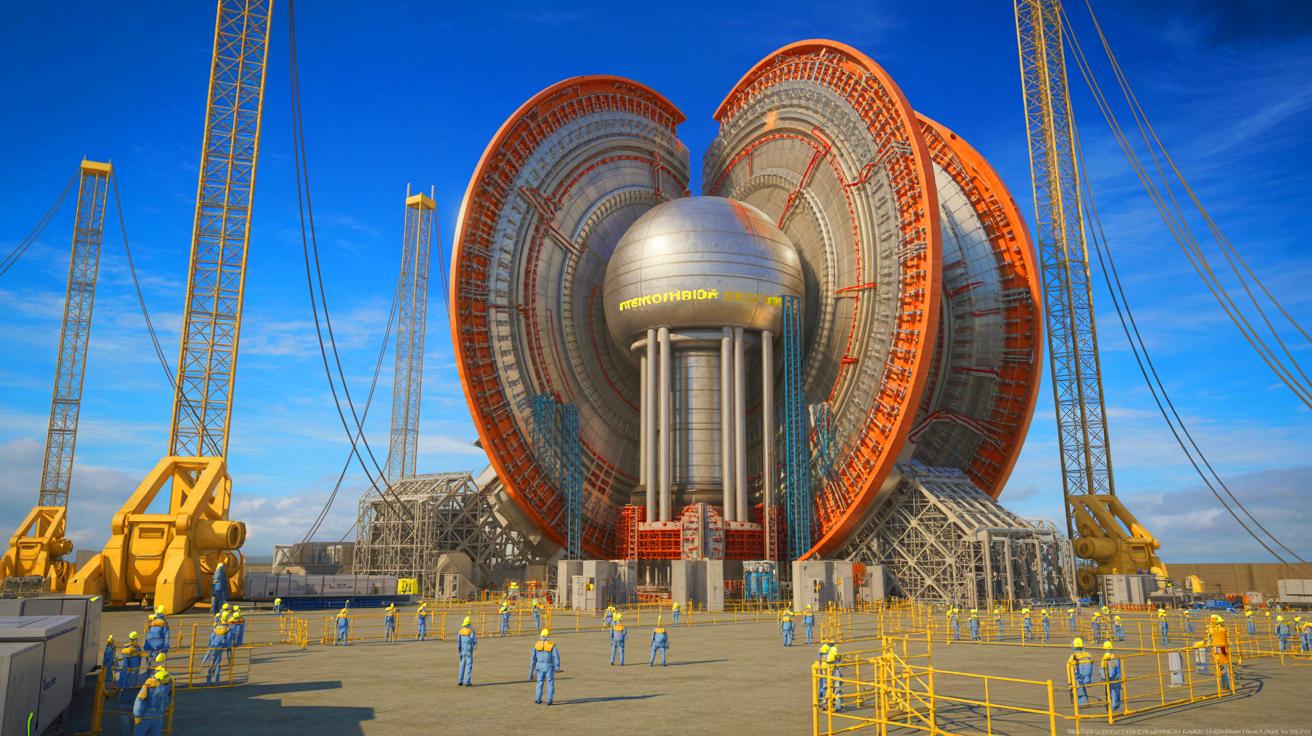
The construction of the ITER reactor began in 2010, with the aim of demonstrating the feasibility of fusion as a large-scale and carbon-free source of energy. The project’s complexity and scale are unparalleled, involving over 10 million components. The reactor’s design includes a series of superconducting magnets that generate a powerful magnetic field to confine the hot plasma in which the fusion reactions occur. This intricate setup is crucial for maintaining the high temperatures and pressures needed for fusion.
Recent Milestone: The Completion of the Magnet System
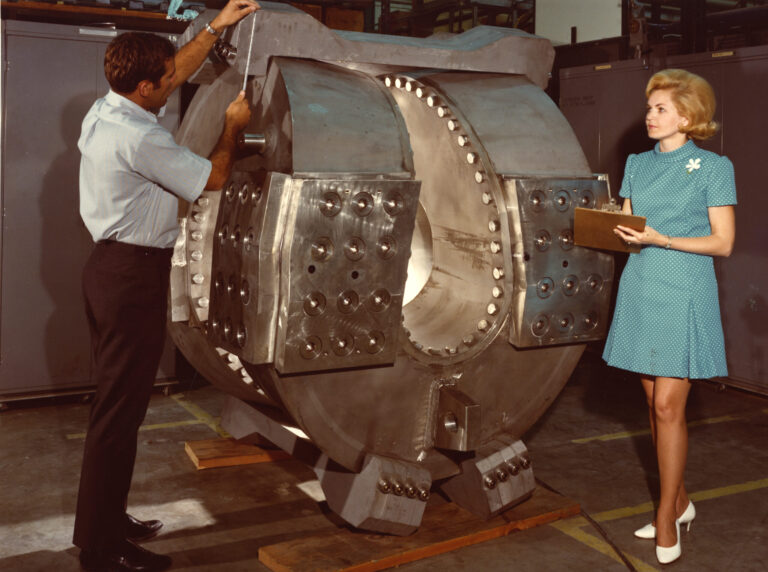
The recent achievement in the ITER project is the completion of the final module of the reactor’s magnet system. This marks a “major step” in the project’s timeline. The magnet system, often described as the “heart” of the reactor, consists of 18 superconducting magnets known as toroidal field coils. These coils are essential for creating the magnetic field that keeps the plasma stable and confined.
The manufacturing and installation of these magnets have been a technical and logistical challenge, given their size and complexity. Each coil weighs around 360 tons and measures 46 feet in height. The successful completion of this component signifies tremendous progress in the project’s construction phase. It also boosts confidence in achieving the project’s next milestones, which include assembling the reactor and beginning operational tests.
The Future Implications of Fusion Energy
The potential impact of fusion energy extends beyond environmental benefits. Economically, fusion could provide a stable and low-cost energy supply, reducing dependence on fossil fuels and mitigating the volatility of energy markets. It also holds promise for energy security, as fusion reactors can be constructed in various locations, minimizing geopolitical tensions over energy resources.
Despite its promise, fusion energy faces significant hurdles. Technical challenges remain, particularly in achieving sustained and controlled fusion reactions on a commercial scale. The timeline for ITER to become fully operational extends into the coming decades, with commercial fusion power plants possibly emerging in the latter half of the 21st century. Nonetheless, the progress made so far is a testament to human ingenuity and the collaborative spirit of scientific exploration.
As ITER continues to advance, the world watches with anticipation. The quest for fusion energy is not just a scientific endeavor but a crucial component in addressing the global energy crisis and climate change. How will the lessons learned from ITER shape the future of energy production, and what role will fusion play in our journey toward a sustainable future?