

“It’s a Clear Message to Moscow”: Germany’s $4.36 Billion Fighter Jet Deal Signals a New and Dangerous Shift in Europe’s Power Balance
 By
Adam Kovács
By
Adam Kovács
| IN A NUTSHELL |
|
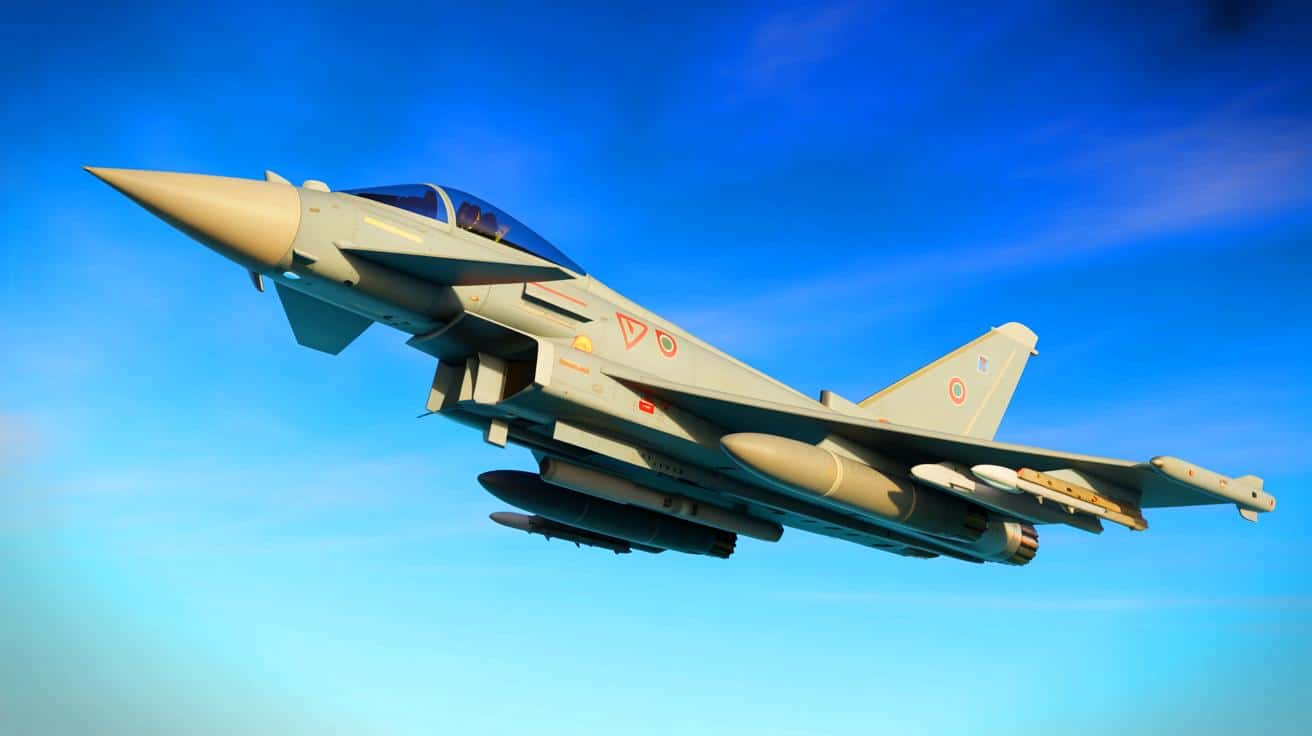
Germany has taken a significant step in bolstering its defense capabilities with the recent approval of a $4.36 billion order for 20 Eurofighter Typhoon jets. This procurement, part of a broader strategy to modernize the country’s air force, aims to replace the aging Tornado jets and enhance Germany’s contributions to NATO. The new aircraft, designed to the Tranche 5 standard, will be equipped with cutting-edge E-scan radars and are set to be delivered between 2031 and 2034. This move is part of a larger initiative to ensure that Germany’s military remains at the forefront of technological advancements in defense.
Germany’s Strategic Defense Enhancement
The recent approval of the Eurofighter Typhoon deal reflects Germany’s commitment to upgrading its defense capabilities. The Eurofighter is a critical component of the German Air Force and the new order aims to replace the aging Tornado jets. This transition is essential as Germany strives to meet its NATO obligations. The Tornado jets, which have served the country for decades, are now being phased out in favor of the more advanced Eurofighters. These new aircraft are expected to offer superior capabilities in electronic combat and reconnaissance, ensuring that Germany remains a strong NATO ally.
The decision to upgrade is not merely about replacing old aircraft; it’s about enhancing Germany’s overall military effectiveness. The Tranche 5 Eurofighters will be equipped with advanced E-scan radars, which provide improved detection and targeting capabilities. This upgrade is crucial in modern warfare, where electronic warfare and reconnaissance play pivotal roles. By investing in these technologies, Germany is positioning itself as a leader in modern military strategy.
The Eurofighter Consortium and International Collaboration
The Eurofighter Typhoon program is a collaborative effort among four European nations: Germany, Italy, Spain, and the United Kingdom. This consortium showcases international cooperation in defense technology, with each country contributing to the development and production of the aircraft. For Germany, this collaboration means access to cutting-edge technology and shared costs, making the procurement more feasible in terms of budget and resources.
This partnership also strengthens political and military ties among the participating nations. By working together, these countries ensure that their air forces are equipped with state-of-the-art technology, enhancing their collective security. The Eurofighter program is a testament to the benefits of international collaboration in defense, where shared expertise and resources lead to superior outcomes.
Upgrading Germany’s Electronic Warfare Capabilities
One of the key enhancements in the new Eurofighter order is the integration of advanced electronic warfare systems. The German Ministry of Defense has highlighted the significance of the AREXIS self-protection system, developed by Saab, as a crucial component in this upgrade. This system is designed to protect the aircraft from electronic threats, ensuring the safety and effectiveness of missions.
The inclusion of the AREXIS system aligns with Germany’s strategy to prioritize electronic warfare capabilities. In modern combat, the ability to suppress ground-based air defense systems is vital. The new Eurofighters will be equipped for this purpose, enhancing Germany’s offensive and defensive capabilities. This focus on electronic warfare underscores the evolving nature of military strategy, where technology plays an increasingly central role.
Additional Acquisitions and Future Prospects
Beyond the Eurofighter order, Germany’s budget committee has approved several other defense-related projects. These include funding for Eurofighter simulators to support pilot training and the upgrade of electronic warfare capabilities. Additionally, contracts for armor-piercing ammunition, naval special forces boats, and minehunting sonar systems have been approved. These acquisitions are part of a comprehensive strategy to modernize Germany’s military.
These investments indicate Germany’s commitment to maintaining a robust defense posture. By focusing on various aspects of military capability, from advanced aircraft to specialized naval equipment, Germany is ensuring that its armed forces are well-prepared for future challenges. These efforts reflect a broader trend among NATO countries to prioritize defense spending in response to evolving global threats.
As Germany embarks on this ambitious modernization journey, questions arise about the future of international defense collaboration. Will these investments foster greater unity among NATO allies, or will they lead to increased competition for technological superiority? As the global security landscape continues to evolve, how will countries balance collaboration with national interests? These questions will shape the future of defense policy in Europe and beyond.
Continue reading