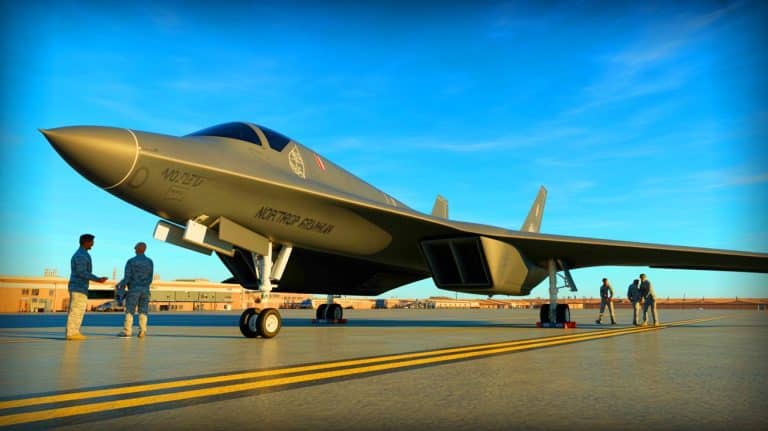



Secret Supersonic Plane Discovered on Google Earth: Traveling at Six Times the Speed of Sound
Satellite images revealing a mysterious aircraft at Lockheed Martin's Florida facility have ignited speculation that it could be the SR-72, a next-generation spy plane designed to surpass the capabilities of the iconic SR-71 Blackbird, raising critical questions about its implications for global security and advancements in military technology.
 By
Adam Kovács
By
Adam Kovács
| IN A NUTSHELL |
|
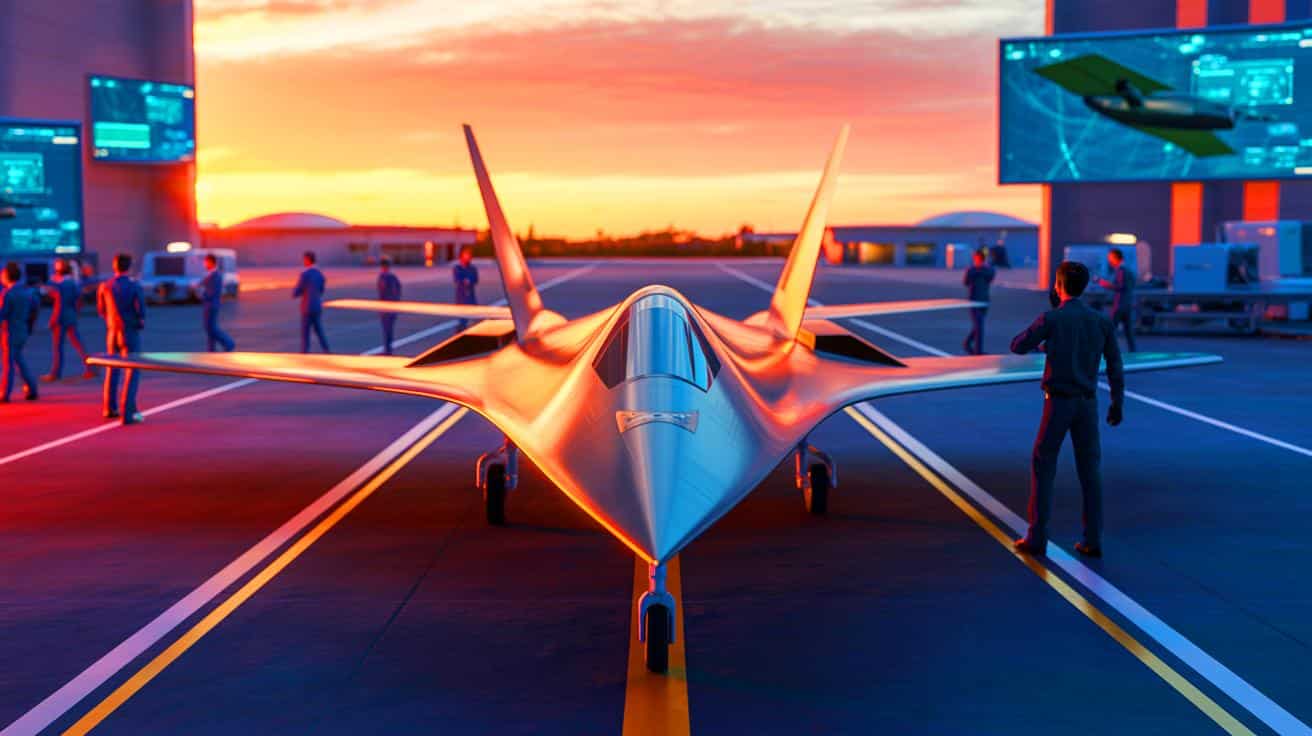
Recent satellite images have sparked widespread interest in a mysterious aircraft spotted at Lockheed Martin’s facility in Florida. Analysts believe this aircraft may be the SR-72, a next-generation supersonic spy plane designed to succeed the SR-71 Blackbird. The emergence of this aircraft has reignited discussions about the future of aerial reconnaissance and the role of advanced technology in warfare. With capabilities expected to exceed its predecessor, the SR-72 could significantly impact military operations and global security dynamics.
The Legacy of The SR-71 Blackbird
The SR-71 Blackbird remains a symbol of American engineering prowess and intelligence-gathering capability. Developed during the Cold War, this aircraft was essential for providing critical reconnaissance data. With speeds exceeding Mach 3, the Blackbird’s operational ceiling and stealth features made it a formidable asset for national security.
Despite its groundbreaking capabilities, the SR-71 was retired in 1998 due to rising operational costs and advancements in surveillance technology. The void left by its decommissioning is significant. The SR-72 aims to fill that gap with enhanced speed and stealth. Lockheed Martin is leveraging modern materials and propulsion systems to create an aircraft that surpasses the SR-71’s legendary performance.
The SR-71 Blackbird was a marvel of engineering, serving as a crucial asset for the United States during the Cold War.
Unveiling The SR-72: A Design For The Future
The SR-72 is poised to be a game-changer in aerial reconnaissance. It is designed to achieve speeds of up to 4,660 miles per hour, approximately six times the speed of sound. This impressive velocity is made possible through its aerodynamic design, which minimizes drag and enhances performance.
However, the aircraft’s recent appearance in satellite images has raised questions about its authenticity. Some experts speculate that the observed aircraft may be a model rather than a full-scale prototype. The prototype is expected to exceed 98 feet in length, while the aircraft seen measures only about 49 feet. Nonetheless, the possibility of the SR-72’s existence underscores the rapid advancements in military technology.
The SR-72 could outrun enemy defenses and gather intelligence swiftly, marking a significant leap in reconnaissance capabilities.
The Role of Digital Technology In Development
Lockheed Martin emphasizes the critical importance of digital technology in the development of the SR-72. Vice President Jack O’Banion noted that without digital computers, the aircraft’s design and functionality would not be possible. This reliance on advanced computing marks a significant shift in how modern military aircraft are developed.
Digital technology enables precise simulations and testing, allowing engineers to innovate without the immediate need for physical prototypes. This approach streamlines the development process and enhances the reliability of the aircraft. As aerospace engineering continues to evolve, digital tools are expected to play an increasingly central role in shaping the future of aviation.
Advanced computing techniques allow engineers to explore innovative designs, making the development process more efficient and effective.
Implications For Global Security And Surveillance
The potential deployment of the SR-72 raises important questions about global security and the future of aerial surveillance. The aircraft’s enhanced capabilities could significantly bolster the United States’ reconnaissance missions. This shift could prompt other nations to accelerate their own technological advancements in military aviation.
As countries strive to protect their airspace, the introduction of the SR-72 may catalyze an arms race in aerial surveillance technologies. The aircraft represents a considerable leap forward in the quest for aerial dominance. However, it also highlights ongoing concerns regarding the delicate balance of power in international relations.
The SR-72 exemplifies the race for advanced reconnaissance capabilities, raising questions about future innovations in military technology.
The developments surrounding the SR-72 are closely monitored by defense analysts and global leaders alike. The intersection of technological advancement and military strategy remains a focal point of discussion. As nations invest in cutting-edge technologies, what future innovations will emerge in the realm of aerial supremacy, and how might they influence the balance of global power?
[diginov_stars rating=”4.6″ votes=”23″ lang=”en”]