

Ukraine Excluded from U.S. Peace Plan; Rising Military Crash Rate Raises Concerns; ATACMS Strike Reshapes Conflict
 By
Adam Kovács
By
Adam Kovács
| IN A NUTSHELL |
|
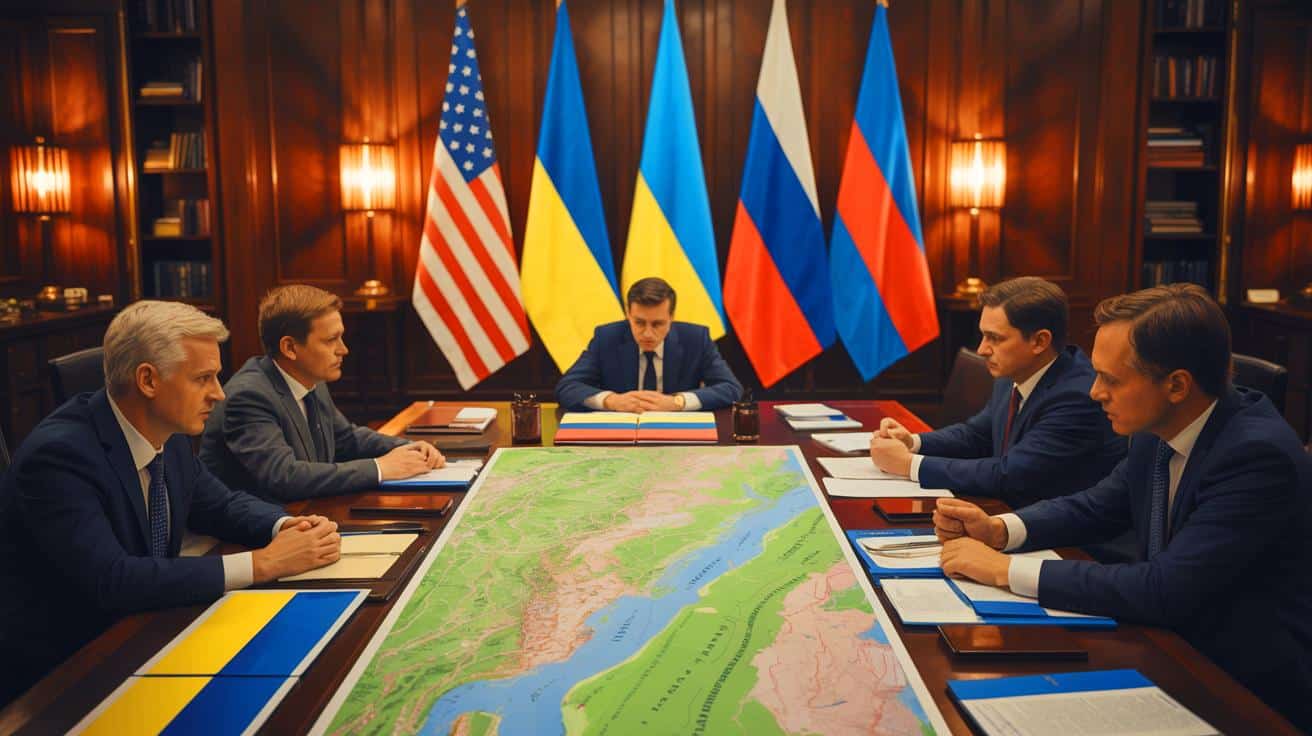
The geopolitical landscape is once again shifting as the White House attempts to broker a peace plan with Russia that would significantly alter Ukraine’s territorial and military standing. However, the proposed terms have stirred controversy both within Ukraine and among European allies. With the suggested concessions including a reduction of Ukraine’s military and the cession of significant territory to Russia, the plan has faced widespread criticism. The lack of Ukrainian involvement in the drafting process further complicates the situation, raising questions about the viability and fairness of such a deal. As the international community watches closely, the implications of these developments could have far-reaching consequences for global diplomacy and security.
Controversial Peace Plan Proposal
The latest peace plan drafted by the U.S. has raised eyebrows across the globe. According to reports, the plan would require Ukraine to significantly reduce its military capabilities and cede 20,000 square miles of its resource-rich Donbas region to Russia. This proposal, negotiated without Ukrainian input, has been met with resistance from Ukrainian officials and has sparked concern among European allies. The plan also suggests making Russian an official language in Ukraine, a move that could alter the nation’s cultural and political landscape dramatically.
The plan was reportedly developed by Trump’s envoy, Steve Witkoff, and Russian special envoy Kirill Dmitriev during meetings in Miami. The exclusion of Ukrainian representatives from these discussions has led to questions about the legitimacy and effectiveness of the negotiations. Critics argue that any peace plan must involve Ukraine as an active participant, given its direct stake in the conflict and its sovereignty.
European Allies React
European officials have voiced their alarm over the proposed concessions, stressing the importance of Ukrainian sovereignty and the need for a fair negotiation process. European Commission Vice President Kaja Kallas emphasized the necessity of involving Ukrainians and Europeans in any peace plan, highlighting that there is a clear aggressor and victim in the ongoing conflict. The lack of Russian concessions in the drafted plan further complicates its acceptance among European nations.
French Foreign Minister Jean-Noel Barrot reiterated the sentiment that peace should not equate to capitulation. The absence of European consultation in the drafting process has led to tensions, with some officials perceiving the White House’s actions as dismissive of European interests. This has sparked a debate about the role of Europe in the peace process and the potential implications of sidelining key stakeholders.
Ukraine’s Stance and Legal Challenges
For Ukraine, the proposed peace plan poses significant legal and practical challenges. The suggestion to cede territory to Russia is not only unpopular among Ukrainians but is also unconstitutional under Ukrainian law. President Volodymyr Zelenskyy has consistently ruled out the possibility of surrendering land, emphasizing Ukraine’s right to self-determination and territorial integrity.
The U.S. delegation, led by Army Secretary Dan Driscoll, has been dispatched to Ukraine to discuss the plan with President Zelenskyy and military officials. However, the reception of the proposal remains icy, with Ukrainian leaders expressing their dissatisfaction and concerns over the implications of such concessions. The legal and ethical considerations surrounding the peace plan continue to be a major point of contention.
The Broader Implications of the Plan
The proposed peace plan has broader implications beyond the immediate conflict between Ukraine and Russia. It raises questions about the role of international diplomacy, the balance of power, and the responsibilities of global leaders in conflict resolution. The potential rollback of U.S. military assistance to Ukraine, as suggested in the plan, could have far-reaching consequences for the country’s defense capabilities and its ability to resist aggression.
Moreover, the plan highlights the complexities of balancing diplomatic negotiations with geopolitical realities. The involvement of external powers in determining the fate of sovereign nations is a contentious issue that underscores the importance of inclusive and transparent diplomatic processes. As the world watches the developments unfold, the need for effective and equitable conflict resolution mechanisms becomes increasingly apparent.
The proposed peace plan between the U.S. and Russia regarding Ukraine poses significant challenges and raises critical questions about international diplomacy, sovereignty, and the role of external powers in conflict resolution. As tensions continue to mount, the international community must consider the implications of such negotiations and the potential paths forward. What steps can be taken to ensure a balanced and fair resolution that respects the rights and interests of all parties involved?
Continue reading