
Trump Blocks Venezuelan Access: Europe Warns of Escalating Conflict, Defense Secretary Holds Key Strike Video, Impacts Await
 By
Adam Kovács
By
Adam Kovács
| IN A NUTSHELL |
|
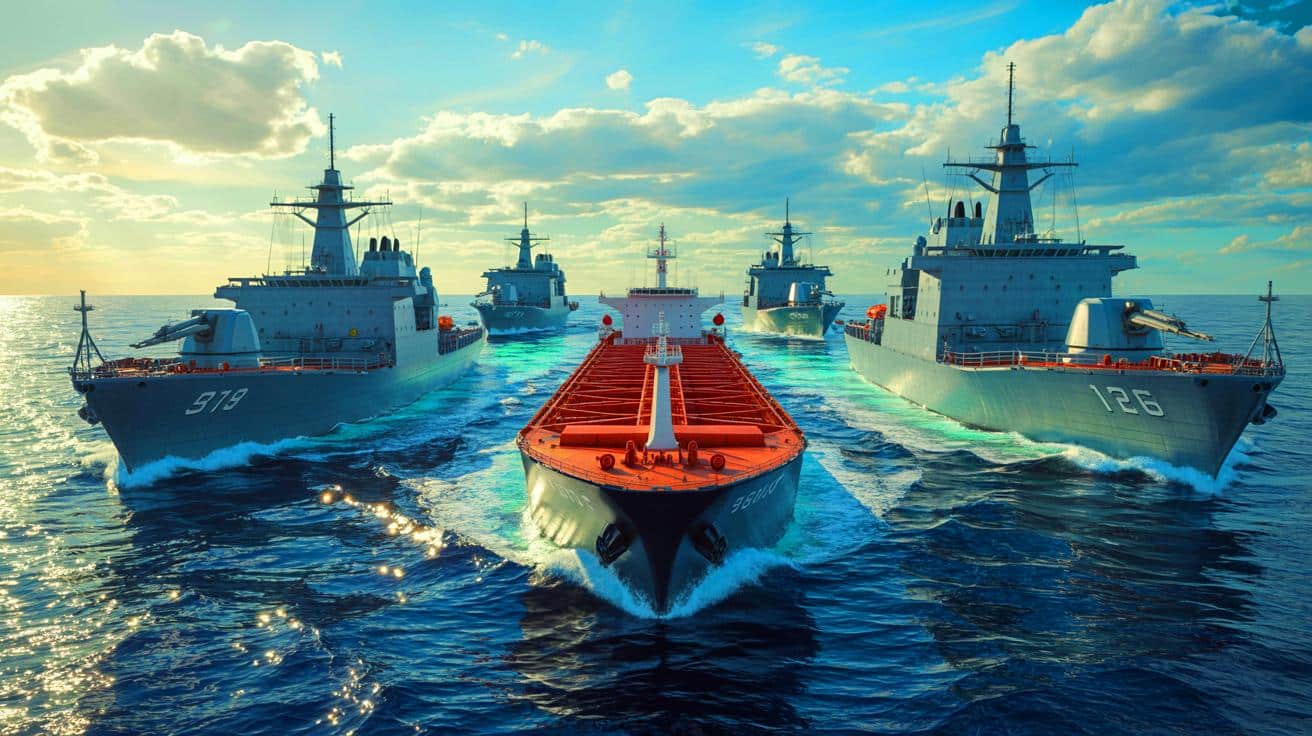
The recent announcement by U.S. President Donald Trump to impose a blockade on oil tankers heading to and from Venezuela marks a significant escalation in the ongoing geopolitical tensions surrounding Venezuela’s oil trade. This decision follows the seizure of an oil tanker allegedly transporting oil from Venezuela to Iran. Trump’s declaration, shared through his social media platform, emphasizes a dramatic military presence intended to enforce the blockade. He stated that Venezuela is encircled by the largest armada ever assembled in South American history. This move raises various questions regarding its execution and potential repercussions on international relations and global oil markets.
Trump’s Blockade: A Bold Move
President Trump’s decision to implement a total blockade on Venezuelan sanctioned oil tankers is a bold geopolitical maneuver. This move is part of a broader strategy to exert pressure on President Nicolás Maduro’s regime by targeting its primary economic lifeline: oil exports. The announcement comes shortly after the U.S. intercepted an oil tanker allegedly transporting Venezuelan oil to Iran, showcasing a willingness to enforce sanctions with direct action. The implications of this blockade are vast, potentially affecting global oil prices and international maritime law.
The blockade raises critical questions about enforcement. How the U.S. will manage the blockade, particularly without clear legal backing from international allies, remains uncertain. The potential for military engagement with foreign vessels could spark international incidents, drawing criticism from countries that view such actions as overreach. Trump’s statement that Venezuela is “completely surrounded” by a formidable naval presence highlights the seriousness of the U.S. commitment to this course of action. However, the logistics of maintaining such a blockade, given the vastness of the region, present significant challenges.
Impact on Airspace and Regional Tensions
In addition to the naval blockade, the U.S. has issued a notice to pilots regarding Venezuelan airspace, extending restrictions for two months. This move mirrors earlier actions that temporarily closed the airspace, underscoring the heightened tension in the region. The closure of airspace complicates travel and trade, impacting airlines and potentially exacerbating economic difficulties within Venezuela. Venezuelan officials have criticized these measures as a colonialist threat, emphasizing the sovereignty of their airspace.
These actions echo historical instances of U.S. military interventions, drawing parallels to past conflicts. The decision to extend airspace restrictions reinforces a narrative of confrontation, with the U.S. signaling its readiness to apply pressure through multiple channels. The strategic implications for Venezuela are profound, as these restrictions hinder logistical operations and economic recovery efforts. The broader regional impact could include strained relations with neighboring countries and increased tension with international bodies concerned about the legality and ethics of such unilateral actions.
Unreleased Pentagon Video Sparks Controversy
Amid these geopolitical developments, controversy brews over a Pentagon video showing a boat strike near Trinidad and Tobago. The U.S. military’s refusal to release the video publicly has drawn criticism from lawmakers and transparency advocates. The incident, which reportedly resulted in fatalities, raises concerns about potential violations of the laws of war. The decision to withhold the video has prompted bipartisan demands for transparency, with members of Congress insisting on access to the footage.
Defense Secretary Pete Hegseth’s reluctance to release the video publicly has fueled speculation about the incident’s nature and the potential implications for U.S. military operations. Lawmakers argue that transparency is crucial for maintaining public trust and ensuring accountability. The situation reflects broader challenges in balancing national security interests with democratic oversight. As discussions continue, the outcome could influence future defense policies and the relationship between the Pentagon and Congress.
Global Reactions and Potential Consequences
Trump’s aggressive stance towards Venezuela has elicited mixed reactions on the international stage. While some allies support the U.S.’s efforts to curb what they perceive as a rogue regime, others caution against unilateral actions that could destabilize the region. The blockade and airspace restrictions may strain diplomatic relations with countries that rely on Venezuelan oil or oppose interventionist policies. Moreover, the potential for conflict with Venezuela’s allies, such as Russia and China, adds another layer of complexity.
The global oil market could face disruptions if the blockade significantly impacts Venezuelan exports. Such consequences might lead to increased oil prices, affecting economies worldwide. The situation also raises ethical questions about sovereignty and the role of international law in addressing disputes between nations. As the U.S. continues to navigate these challenges, the international community will be closely watching for any shifts in policy or strategy that could alter the geopolitical landscape.
As geopolitical tensions continue to rise, the international community must grapple with the implications of these developments. The U.S. blockade on Venezuela’s oil trade and the associated airspace restrictions highlight the complexities of enforcing sanctions and the potential for unintended consequences. How will these actions shape the future of international relations and economic stability? What measures can be taken to ensure a resolution that respects sovereignty while addressing global security concerns?