


Three Americans Killed in Syria: Tragic Loss Highlights Ongoing Conflict and Global Tensions Amid Ukraine Peace Talks
 By
Adam Kovács
By
Adam Kovács
| IN A NUTSHELL |
|
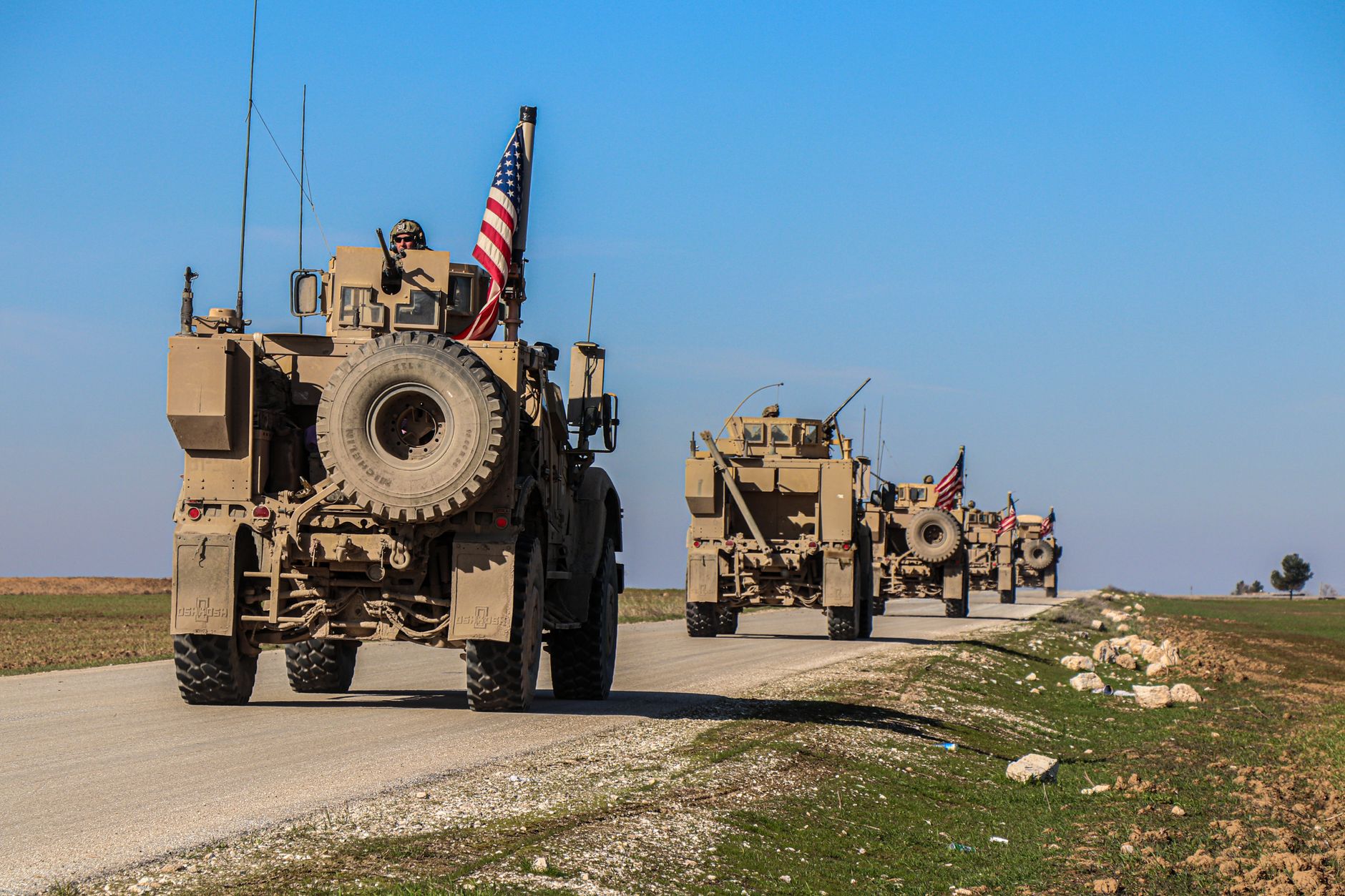
The recent killing of two U.S. soldiers and a civilian interpreter in Syria by an ISIS gunman has reignited discussions about America’s role in the region. These are the first such fatalities since the fall of Bashar Al-Assad’s regime last year, signaling a potential resurgence of tensions in an area still fraught with conflict. The attack also left three U.S. troops and two Syrian security personnel wounded, highlighting the ongoing risks for American forces stationed abroad. The incident has prompted a vow of “very serious retaliation” from President Trump, underscoring the administration’s commitment to maintaining its counterterrorism mission in Syria.
Escalating Tensions in the Middle East
As the situation in Syria becomes increasingly volatile, Israel’s presence in the region is drawing significant attention. For over a year, Israeli forces have occupied parts of Syrian territory, conducting armored patrols and counterterrorism raids. Concerns are mounting that Israel may seek a permanent foothold in the region, further complicating the geopolitical landscape. The Associated Press reports that these developments are creating unease among nations watching the situation unfold. The potential for heightened military presence and the implications for regional stability are pressing issues that demand careful consideration.
Meanwhile, the U.S. military’s future course of action remains uncertain. With the first phase focused on targeting alleged drug smugglers and pressuring Venezuelan President Nicolás Maduro to step down, the subsequent phases of the campaign are less clear. Secretary of State Marco Rubio, acting as national security adviser, is reportedly leading contingency planning efforts. However, the scope and specifics of these plans remain largely undisclosed, leaving questions about the administration’s long-term strategy in both the Middle East and the Caribbean.
Uncertainty Surrounding U.S. Strategy in Venezuela
The Trump administration’s approach to Venezuela is drawing scrutiny as plans for regime change appear to lack clarity. While the initial objective has been to oust President Maduro and secure access to Venezuela’s resources, the subsequent steps of the strategy are ambiguous. Reports indicate that planning is confined to a select group of senior officials, leaving others in the dark about the administration’s intentions. This lack of transparency raises concerns about the coherence and feasibility of U.S. foreign policy in the region.
An anonymous official has described the situation as a “financial shakedown,” suggesting that profit motives may be driving U.S. actions. This perspective underscores the complex interplay of political and economic interests at play. As discussions continue, the potential for instability in Venezuela remains a significant concern, with implications for regional security and U.S. foreign relations. The Department of Defense, while acknowledging contingency plans, has yet to provide detailed information on how it would respond should Maduro be deposed.
Near-Miss in the Skies Over Venezuela
A recent incident involving a JetBlue flight narrowly avoiding a midair collision with a U.S. Air Force tanker highlights the potential risks of military operations near commercial airspace. The JetBlue pilot reported the close encounter to air traffic controllers, noting that the tanker did not have its transponder activated, a situation described as “outrageous.” The Air Force plane subsequently entered Venezuelan airspace, raising questions about the coordination and safety protocols of military maneuvers in the region.
The Department of Defense and Air Force have yet to comment on the incident, which underscores the challenges of conducting military operations in proximity to civilian air traffic. This episode serves as a reminder of the potential hazards inherent in such operations and the need for stringent safety measures. As tensions in the region persist, ensuring the safety of commercial flights and maintaining clear communication between military and civilian aviation authorities is paramount.
The Role of Artificial Intelligence in Modern Warfare
The integration of artificial intelligence (AI) in the workplace is gradually increasing, according to recent Gallup data. The use of AI applications by American employees has risen, with virtual assistants and AI writing tools being among the most common. However, the growth in AI adoption remains modest, with daily usage still relatively low. This trend highlights the slow but steady incorporation of AI technologies into everyday work processes.
Despite the gradual uptake, AI’s potential to revolutionize industries and reshape the workforce is significant. The technology’s application extends beyond the workplace, with implications for national security and defense. AI’s role in modern warfare is a topic of ongoing exploration, with experts examining its impact on military strategy and operations. As the technology evolves, its ethical and practical implications continue to prompt debate and analysis.
The recent events in Syria and Venezuela, coupled with the growing influence of artificial intelligence, paint a complex picture of the current geopolitical landscape. As these developments unfold, the questions remain: How will the U.S. navigate its foreign policy challenges, and what role will emerging technologies play in shaping the future of international relations?