


Air Force Announces New Presidential Jet Arriving Early, Potentially Transforming Presidential Travel and Logistics
 By
Adam Kovács
By
Adam Kovács
| IN A NUTSHELL |
|
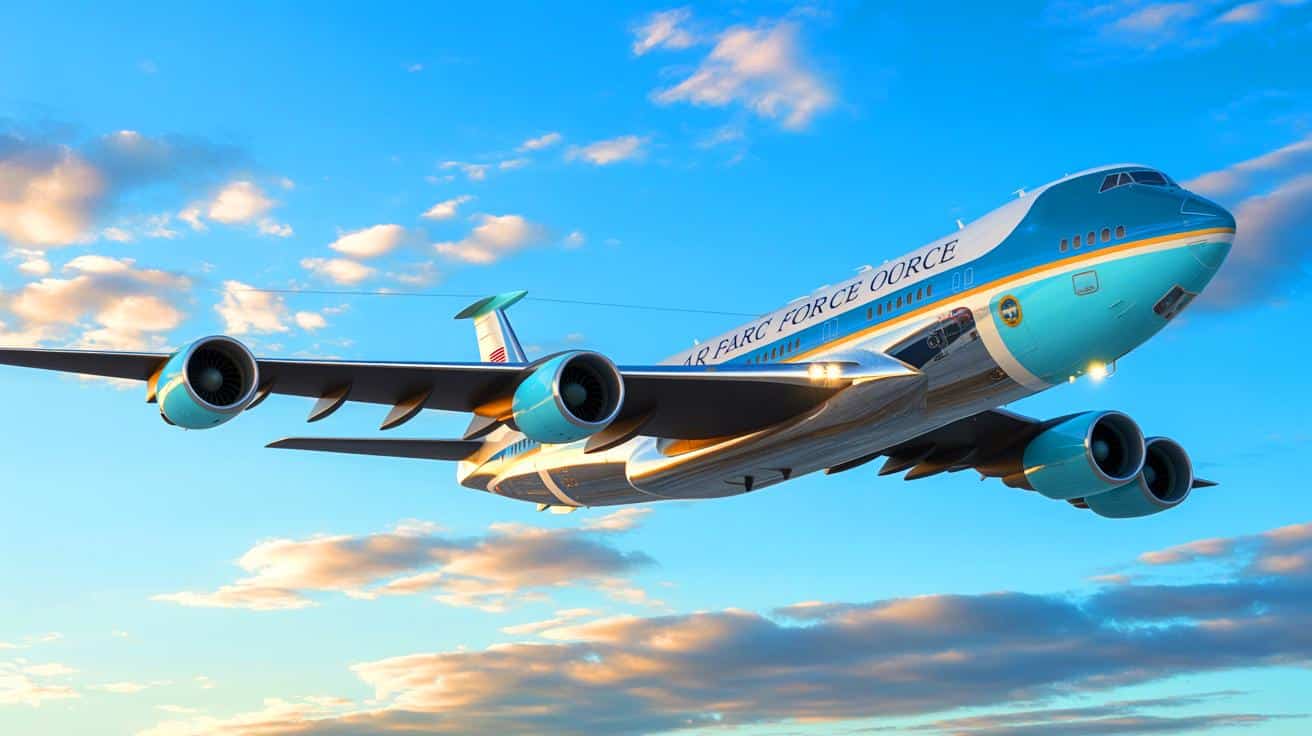
The arrival of the next Air Force One is now anticipated earlier than previously expected, marking a significant development in the ongoing saga of presidential transport aircraft. Originally slated for a 2028 or 2029 delivery, new projections have moved the timeline forward to mid-2028. This adjustment comes amid continued pressure from the Trump administration, which has been vocal about the urgency of the aircraft’s completion. The decision to advance the timeline underscores the importance of modernizing the fleet to meet evolving mission requirements.
Accelerated Timeline for Air Force One
The U.S. Air Force has announced an updated delivery schedule for the new presidential aircraft, moving the expected arrival to mid-2028. This shift in timeline is a response to ongoing pressures and strategic needs. The revised schedule aims to ensure that the aircraft is ready to serve the President on time, reflecting a commitment to maintaining robust and reliable presidential transport capabilities.
The decision involves an additional $15.5 million allocated to upgrade the communications systems of the VC-25Bs. These upgrades are essential for keeping pace with mission requirements that have evolved since the program’s inception. The enhancements will allow the aircraft to operate effectively in a rapidly changing global environment, ensuring secure and efficient communication for the President.
This adjustment is not part of the original firm-fixed-price contract but is considered necessary to meet the operational needs. The total cost of the project now exceeds $4.3 billion, highlighting the substantial investment required to modernize the Air Force One fleet.
Historical Challenges and Adjustments
The journey to replace the current Air Force One fleet began in 2015, with Boeing winning the contract in 2016. Initially estimated at $4 billion, the project faced numerous challenges, including budget overruns and delays. President Trump’s public criticism of the program’s costs led to a reevaluation and subsequent adjustments to the plan.
In a surprising turn, Boeing decided to utilize two 747s originally built for a defunct Russian airline. This decision aimed to mitigate costs and expedite the process. However, shortages in workers and parts slowed progress, pushing the projected delivery date multiple times. By 2025, the timeline had slipped to 2028 or 2029, prompting further scrutiny and adjustments.
Despite these hurdles, Air Force Secretary Troy Meink expressed confidence in the program’s current trajectory, asserting that the aircraft would be ready when needed. This assurance reflects a concerted effort to address past delays and ensure future reliability.
Financial Implications and Strategic Decisions
The financial landscape of the Air Force One program has been complex, with costs and funding sources evolving over time. The recent $15.5 million addition for communications upgrades underscores the dynamic nature of the project. This expenditure aims to ensure that the aircraft meets the highest standards of security and functionality.
Further financial maneuvers included reallocating funds from the Sentinel intercontinental ballistic missile program to cover modifications for a Boeing 747 luxury jet received from Qatar. This strategic decision highlights the importance of flexibility in managing defense budgets and priorities.
The estimated cost to upgrade the luxury jet is less than $400 million, with the retrofit expected to take just under a year. This proactive approach reflects a commitment to maintaining the integrity and capability of the presidential fleet in the face of evolving needs.
The Future of Presidential Transport
The ongoing developments in the Air Force One program illustrate the complexities and challenges of modernizing presidential transport. As the project progresses, it will be crucial to balance cost, capability, and timeliness. The advancements in communications and technology will play a pivotal role in defining the future of these aircraft.
With the delivery date now set for mid-2028, the focus will be on ensuring that the aircraft is equipped to handle the demands of modern presidential travel. This includes maintaining secure communication channels and adapting to global security challenges. The success of this program will depend on continued collaboration between government agencies and industry partners.
The legacy of Air Force One as a symbol of American power and diplomacy will continue to evolve with these new developments. The commitment to innovation and excellence will guide the program’s trajectory, ensuring that the President remains connected and secure while traveling.
As the Air Force One program moves forward, questions remain about the broader implications for defense spending and technological advancements. How will these developments influence future military and government transport projects? The answers will shape the strategic direction of U.S. defense capabilities in the years to come.
Continue reading