



Navy Report Warns of V-22 Osprey Safety Risks, Fixes Could Extend Into 2030s, Impacting Military Operations
 By
Adam Kovács
By
Adam Kovács
| IN A NUTSHELL |
|
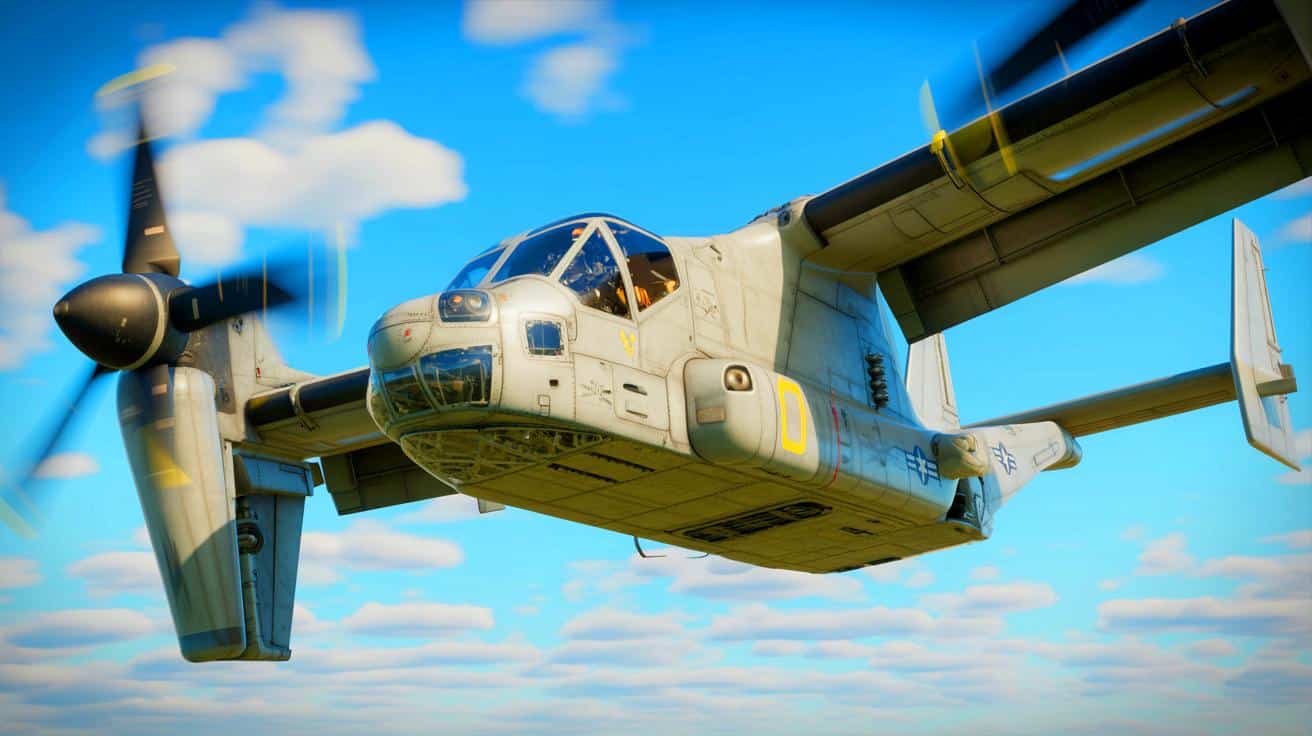
The V-22 Osprey, a tiltrotor aircraft used by the U.S. military, has faced longstanding mechanical issues that have resulted in deadly crashes. Recent reports from the Government Accountability Office (GAO) and the Naval Air Systems Command (NAVAIR) reveal that these problems have persisted due to a lack of timely action from the Joint Program Office. The reports highlight that safety risks have not been adequately addressed, despite the loss of service members’ lives. With fixes projected to stretch into the 2030s, the situation has left military families and lawmakers demanding accountability.
Mounting Safety Concerns
The GAO and NAVAIR reports have exposed significant safety risks associated with the V-22 Osprey. The Joint Program Office, responsible for overseeing the aircraft variants for the Air Force, Marine Corps, and Navy, has failed to mitigate these risks effectively. Despite identifying mechanical issues like hard clutch engagements and proprotor gearbox failures, solutions remain years away. The NAVAIR report states that the cumulative risk posture of the V-22 has been growing since its initial deployment. This prolonged timeline for addressing safety concerns continues to jeopardize mission capability and the safety of personnel.
Since 2022, four crashes involving tiltrotor aircraft have resulted in the deaths of 20 service members. The NAVAIR findings indicate that the program has failed to implement timely material and non-material fixes, leading to catastrophic outcomes. The reports emphasize the need for a refined process to identify, analyze, and respond to these risks to prevent further loss of life and resources.
Unresolved Mechanical Issues
The V-22 Osprey has been plagued by unresolved mechanical issues, as highlighted by the recent reports. Within the last four years, the aircraft has experienced 12 Class A mishaps, seven of which involved parts failures. The NAVAIR report notes that these risks were already identified but were not addressed promptly, leading to catastrophic outcomes. The V-22 has the highest number of unresolved catastrophic parts issues among Navy rotor-wing aircraft, with an average unresolved age of over 10 years.
The report indicates that previous probes into V-22 operations lacked mechanisms for tracking implementation and accountability, resulting in minimal execution of action plans. Human error and low readiness levels have also contributed to the mishaps. On average, the V-22 has a low mission-capable rate of just 50 percent for the Navy and Air Force, and 60 percent for the Marines, highlighting a significant readiness issue that impacts military operations.
Recommendations and Accountability
In response to the alarming findings, both reports offer a series of recommendations aimed at improving the V-22 Osprey’s safety. These include increased maintenance inspections, implementing a mid-life upgrade program, strengthening joint program office reporting, and re-evaluating the military’s required fleet size with updated mission requirements. Despite these recommendations, the reports acknowledge the challenges posed by differing mission sets, priorities, and risk tolerances among the services.
Vice Adm. John Dougherty, NAVAIR commander, stated that the organization remains committed to flying and improving the aircraft. However, the reports underscore the need for ongoing analysis and targeted action to enhance the V-22’s performance and safeguard personnel. The GAO’s investigation echoes these sentiments, calling for a refined oversight structure and better sharing of safety data to address the unresolved maintenance problems.
The Future of Vertical Lift
The recent reports have reignited calls for accountability from military families and lawmakers. Amber Sax, whose husband died in a 2022 Osprey crash, expressed frustration over the lack of prompt action. She emphasized the need for continued efforts to address the risks associated with the V-22, noting the aircraft’s capacity to carry more than 20 people. The responsibility is enormous, and as Sax stated, “They need to do better.”
Amid these concerns, the future of vertical lift in the military is evolving. Several defense contractors have introduced prototypes for unmanned tiltrotor aircraft that could support missions traditionally carried out by platforms like the Osprey. These developments reflect a shift towards unmanned technology, with the potential to enhance safety and operational capabilities. As the military explores these new options, the question remains: Can the lessons learned from the V-22’s challenges inform the future of vertical lift in the armed forces?
The V-22 Osprey’s safety issues have sparked a broader conversation about accountability and the future of military aviation. With reports highlighting unresolved mechanical problems and a lack of timely action, the need for change is clear. As the military explores new technologies and unmanned systems, the lessons from the Osprey’s challenges will be crucial in shaping the future of vertical lift. How can the military ensure that these lessons lead to meaningful improvements in safety and operational effectiveness?