


Scotland’s planned data centres could add major pressure to power, water and local communities
Two proposed facilities illustrate the scale of the expansion: one would reach 1,000MW, while another would occupy land comparable to 84 football pitches.
 By
Katharina Brenner
By
Katharina Brenner

At least 23 large AI-powered data centres are planned in Scotland, putting their potential demands on electricity, water and nearby communities under scrutiny.
The proposals matter because data centres operate continuously, housing servers and the cooling equipment needed to keep them running. As artificial intelligence expands the computing workload, developers are pursuing facilities far larger than Scotland’s existing centres. The resulting planning dispute is less about individual online services than the physical infrastructure required to support them.
The largest proposals are on a different scale
The planned sites vary, and a proposal is not the same as an approved or completed development. Two projects nevertheless show why the expansion has become a significant issue for Scotland’s Environment and energy policy.
| Proposal | Planned scale | Useful comparison |
|---|---|---|
| Chapelcross, Dumfries and Galloway | 1,000MW | Its planned capacity would be more than 83 times the 12MW capacity of Scotland’s existing Airdrie site cited in reporting. |
| Auchtertool, Fife | 600MW across 60 hectares | The land area is approximately equivalent to 84 football pitches. |
| Scotland-wide pipeline | At least 23 large AI-powered facilities | The total reflects planned projects, not 23 operating centres. |
The BBC reports that Chapelcross would have 1,000MW of capacity if built. The figure describes the facility’s planned power capacity rather than the electricity it would consume at every moment, but it still indicates the potential connection scale involved.
According to Yahoo News, Auchtertool is planned as a 600MW centre occupying 60 hectares. Its extensive footprint makes the local dimension visible: these are substantial industrial developments as well as digital infrastructure.
Electricity, cooling and noise create different pressures
The concerns surrounding the projects fall into related but distinct categories. At the national level, large facilities would add major electricity demand. Locally, communities could face large buildings, cooling installations and persistent equipment noise. Cooling can also require considerable quantities of water, introducing another resource question during project assessment.
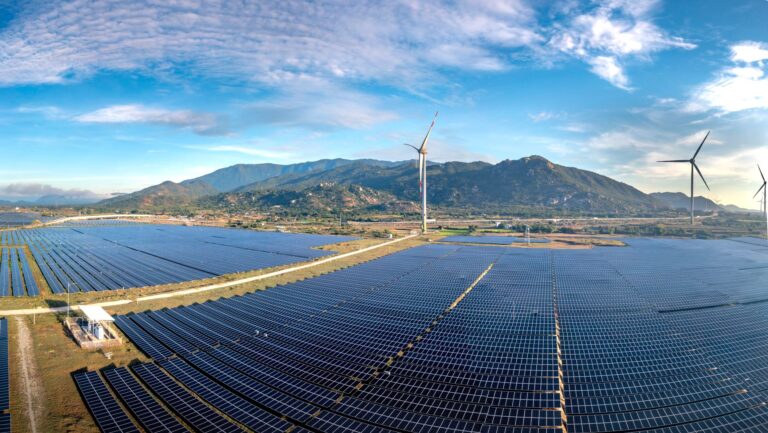
Scotland’s renewable generation helps explain its attraction to developers, but it does not mean every server would run exclusively on renewable electricity. Wind output fluctuates, while solar generation is limited when sunlight is weak. A centre operating through those periods may therefore draw from the wider electricity system rather than a dedicated, uninterrupted renewable supply.
That distinction is central to the climate argument. A project can be located in a country with substantial renewable generation without being supplied by renewable power in every hour of operation. The relevant issues include how much electricity it requires, when that demand occurs and what generation is serving the grid at the time.

Water use presents a separate concern because cooling needs depend on the design chosen for a facility. The established point is that large data centres can consume substantial volumes for cooling, not that every planned Scottish site will use an identical amount. Project-specific assessments would need to establish the likely demand and its local implications.
Noise is more immediate for neighbouring communities. Servers, fans and cooling systems are designed for continuous operation, so residents’ concerns are not limited to temporary construction activity. The extent of any disturbance would depend on the site, equipment, operating conditions and mitigation measures considered through planning.
These infrastructure pressures differ from the economic risks explored in coverage of Europe’s food economy and its dependence on labour, but both show how apparently specialised policy debates can affect the systems communities rely upon.
The dispute is over whether assessment is enough
The Scottish Greens and campaign organisations have called for a moratorium on large data centres. Their position is that allowing development to continue could jeopardise climate objectives and intensify competition for renewable electricity.
The Scottish government has declined to introduce such a pause. This produces a clear political division over process. Moratorium supporters want large schemes halted before more proceed, while the government’s position leaves proposals to advance through existing scrutiny rather than stopping the category of development in advance.
The disagreement should not be confused with a finding that all 23 projects will be built or that each would have the same environmental consequences. The known pipeline consists of plans, and the examples at Chapelcross and Auchtertool have different capacities and locations. Their individual effects would depend on their final designs and whether they secure the necessary approvals.
Environmental assessments would test individual projects
The Scottish government says proposed large data centres would have to submit environmental impact assessments. In practical terms, that creates a route for examining effects associated with each site rather than treating the Scotland-wide pipeline as one development.
Such scrutiny is relevant to several questions raised by the expansion: the physical footprint, effects on nearby communities, electricity infrastructure, cooling arrangements, water demand and noise. It does not itself determine that a project will proceed, nor does the presence of a proposal establish that approval has been granted.
The scale figures explain why data centres have moved beyond a narrow technology discussion. Chapelcross’s proposed 1,000MW capacity and Auchtertool’s 600MW plan across 60 hectares would make digital demand tangible in power connections, industrial land and cooling infrastructure. The planning process will have to evaluate those effects project by project while Scotland’s political debate continues over whether large developments should be considered at all.
Photo: panumas nikhomkhai / Pexels