


Hungary’s garden plots as year-round homes, from Budapest to the northeast
Plots once kept for vegetables, vines and weekend sheds are turning into full-time homes near the capital, on the Southern Great Plain and in the northeast.
 By
Katharina Brenner
By
Katharina Brenner
In brief
- Their purpose was modest: a vegetable patch, a few rows of vines, a shed for tools or an old farm building with a cellar beneath it.
- Making a run-down building comfortable can add several million forints to the cost, and sometimes tens of millions, with insulation and substitutes for mains utilities among the heaviest items.
- Plots that once followed the rhythm of the growing season can become homes all year round, provided buyers count the costs that never appear in the asking price.
On the fringes of many Hungarian towns and villages sit small plots that were never really meant to be lived on. Their purpose was modest: a vegetable patch, a few rows of vines, a shed for tools or an old farm building with a cellar beneath it. Plots of this kind tend to follow the seasons, busy from spring planting to the autumn harvest and much quieter once the cold sets in, visited at weekends rather than slept in every night.
In Hungary these plots are known as zártkertek, and more and more of them are serving as full-time homes for people who cannot find anything else they can afford. The real estate agency OTP Ingatlanpont set out the trend in an analysis, according to the Budapest Business Journal, which reported its findings on 9 October 2026. The agency sees the movement most clearly in three areas: the surroundings of the capital, the Southern Great Plain and the northeast of the country. Its message to buyers is a mixed one. A garden plot can open a path to owning a home, but seldom without concessions on utilities, financing or legal status.
A route to ownership shaped by necessity
The people taking this route are not, for the most part, chasing a rural dream. Near Budapest, the agency’s profile of buyers includes people who live alone or have gone through a divorce, people rebuilding their lives after a personal crisis, and workers who have moved from other regions of Hungary and find houses inside built-up areas beyond their means. Families with young children are less common among them, the agency says, because these sites tend to lack infrastructure and lie far from everyday services.
Dezső Varga, who heads OTP Ingatlanpont’s Budapest region, puts the nominal price gap at around 50% in favour of garden-plot properties. He warns, however, that setting the two markets side by side is “structurally misleading”. The reason is simple: the market inside built-up areas has nothing comparable to the microhomes of 35 to 50 square metres seen on the plots. Varga likens the plots to a Hungarian rural version of the “Tiny House” movement, one driven not by fashion or design but, in his words, by “harsh economic necessity”.
What a garden plot costs near the capital
Close to Budapest, the shift is most marked in the Zsámbék Basin, which takes in Biatorbágy, Zsámbék and Tök. The price markers given for the area are these:
- Converted homes in popular spots such as Zsámbék: between HUF 800,000 and HUF 1 million per square metre, according to Varga.
- Habitable garden-plot properties: from roughly HUF 40 million.
- A cellar that cannot be used as a home: about HUF 15 million.
The purchase price is only the opening bill. Making a run-down building comfortable can add several million forints to the cost, and sometimes tens of millions, with insulation and substitutes for mains utilities among the heaviest items.

The Southern Great Plain: lower entry, rougher comforts
Entry prices are lower on the Southern Great Plain. There, a habitable home on a garden plot or on vineyard land usually costs between HUF 150,000 and HUF 350,000 per square metre, with wide differences depending on the state of the building and whether it is connected to utilities. The agency’s other markers for the region are as follows:
- Properties that need work before anyone can live in them: from HUF 10 million to 15 million.
- Comfortable homes a buyer can move into straight away: typically advertised at HUF 20 million to 30 million, or more.
- Cellars kept for leisure and not fit for housing: HUF 8 million to 15 million.
Szilvia Piros, who heads the region for the agency, singles out four places in the Csongrád wine region, namely Mórahalom, Ásotthalom, Domaszék and Csongrád itself, as well as the area around the Hajós Cellar Village, which belongs to the Hajós-Baja wine region. For most buyers the attraction is the price. To get it, they accept drilled wells, wastewater treatment systems of their own and roads without a hard surface. A smaller and wealthier group is drawn instead by wine culture and life in the countryside. Hajós, a settlement with a strong ethnic German heritage, also draws a number of foreign buyers with family or personal ties to the place, Piros said.
She also sees a social side to the trend. In garden-plot areas that are easy to reach and close to existing settlements, she said, the newcomers have started to form communities of their own, as neighbours who share a similar way of life come together.
Northeastern Hungary: price alone does not sell
In the northeast, garden-plot properties are offered for 30% to 50% less than houses in built-up areas, according to the agency. It puts the starting price of a habitable building at HUF 150,000 per square metre, with the cheapest properties starting at HUF 10 million to 15 million. Small cellars used for leisure go for HUF 2 million to 10 million.
Sándor Farsang, the agency’s regional head in the northeast, says the demand there is real, yet buyers are not simply hunting for the lowest figure. What they want, he explained, is a property that is easy to get to, has electricity and water at the very least, has a settled legal position and can be brought up to a comfortable standard at a sensible cost. Plots without utilities, in remote spots or with unsettled legal questions struggle to find takers even when the discount is large. Large wineries that are still in operation interest far fewer buyers, as the difficulties of the wine industry weigh on investors.
What to check before buying
OTP Ingatlanpont stresses that outlying and garden-plot properties call for a careful look at their legal position, zoning and infrastructure. The main points it raises are these:
- Legal status and zoning: the agency advises buyers to confirm the legal status of every property and its local zoning designation before any commitment.
- Utilities and access: where there is no connection to the mains, a household may depend on a well, a cesspit or its own wastewater treatment system, and unpaved access roads can make the journey harder.
- Financing: most agricultural buildings cannot be bought with a standard home loan, which narrows the options for anyone counting on a mortgage.
- Paperwork: taking land out of its agricultural cultivation classification can involve extra procedures, and restrictions on registering a home address at the property may add to the administrative load.
- Renovation budget: turning a neglected building into a comfortable home adds costs on top of the purchase price, chiefly for insulation and replacements for mains services.
Taken together, the agency’s picture is of a market that meets a genuine need but asks a great deal of those who enter it. Plots that once followed the rhythm of the growing season can become homes all year round, provided buyers count the costs that never appear in the asking price.
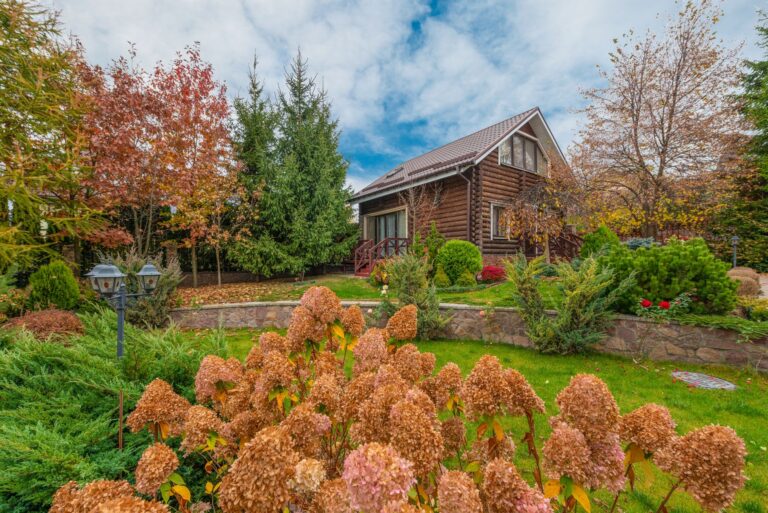
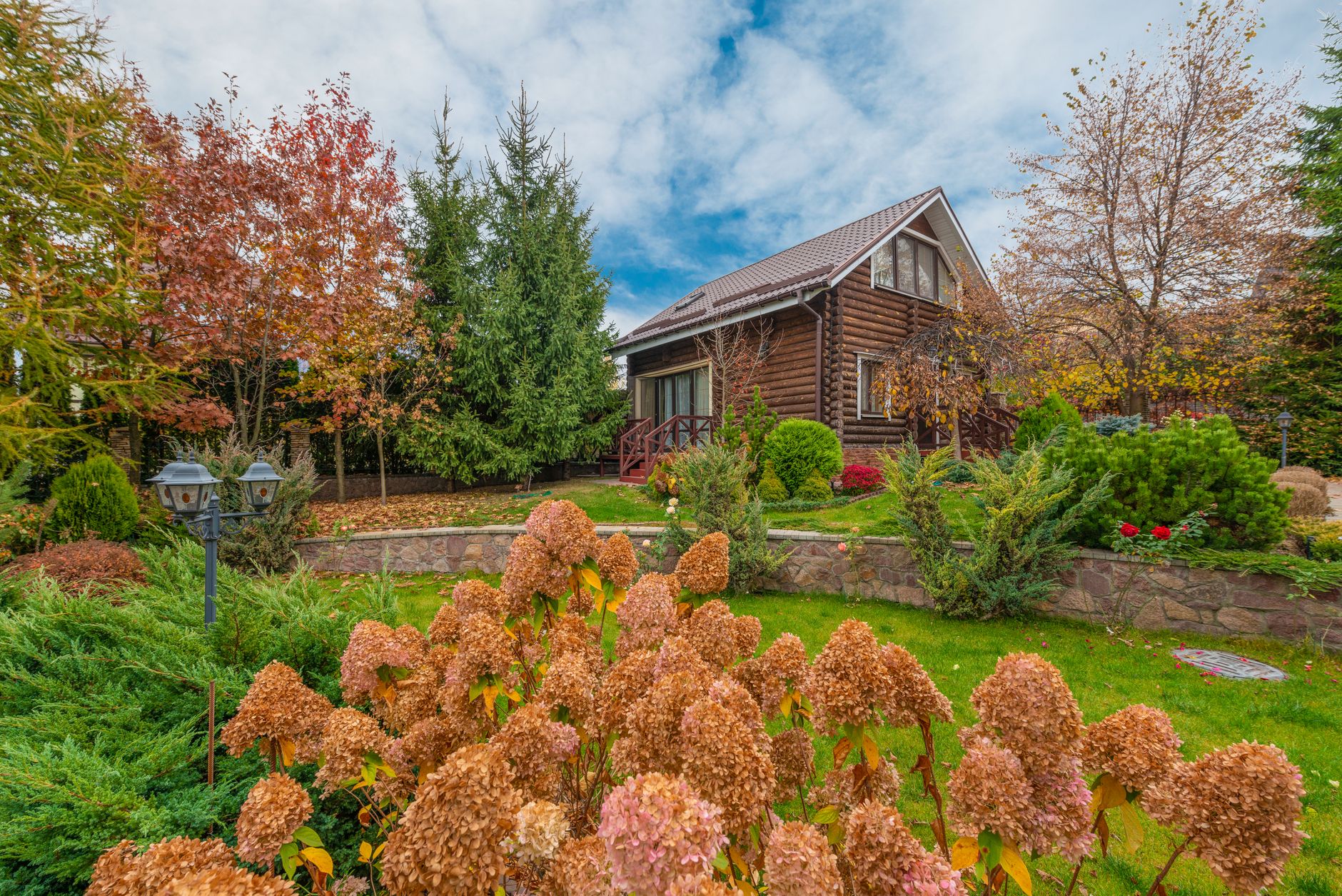
Featured image. Source: Pexels. Credit: Max Vakhtbovych. License: Pexels License.
Continue reading