

Warsaw bets on an EU-India deal to close its trade gap with India
Donald Tusk and Narendra Modi met in New Delhi on a $6bn trade relationship that is lopsided in India’s favour, with an EU-India deal expected in December.
 By
Juliette Carrel
In brief
- Poland and India want to double bilateral trade by 2030 after talks between their prime ministers in New Delhi.
- Trade now stands at just over $6 billion, with Poland importing far more than it sells.
- Warsaw is counting on an EU-India trade deal expected to be signed in December.
- Mining, shipbuilding, energy, space and defence are among the priority sectors.
The prime ministers of Poland and India agreed in New Delhi on Thursday, 22 October, to aim for a doubling of bilateral trade by 2030, as reported by Notes from Poland.
Donald Tusk’s visit to India is the first undertaken by a Polish head of government in 16 years. It comes after relations were raised to the level of a strategic partnership when Narendra Modi traveled to Poland two years ago, a trip that no Indian prime minister had made for nearly five decades. Modi said that visit had helped the relationship to “gain speed over the last two years”. According to Tusk, the two leaders looked back at what their joint work has achieved to date and fixed priorities for the years ahead, among them closer economic, investment and technological ties.
Both countries have economies that are expanding quickly. This year Poland is forecast to grow by 3.5% of GDP, which puts it in second place within the European Union for pace, whereas India is projected to see growth of 7%. “The economic strength of both countries offers a wealth of opportunities for strategic partnership,” Modi said.
A $6bn baseline with a wide gap
Finance minister Andrzej Domański, who travelled with Tusk, put the starting point plainly: “Today, trade between Poland and India totals just over $6 billion,” he said. The goal therefore implies a total of more than $12 billion within a few years.
The balance is lopsided. Poland’s main exports to India last year were machinery, mineral products and metals, while it bought textiles, machinery and metals. Domański acknowledged the imbalance: “it is no secret that we have a significant trade deficit with India”. He added that the conditions for growth are very favourable.
The EU-India deal and a large business delegation
Warsaw counts on an EU-India trade agreement, scheduled for signature in December, to provide the lift. The deal aims to abolish or reduce customs duties on products that make up 96.6% of what the EU exports, by value, to India. Tusk said Poland intends to take full advantage of the openings this creates, and its ambition is to be “India’s gateway to Europe”. The signature is still anticipated rather than completed, and Modi’s confidence that the common objective will be reached amounts to a political expectation.
The office of the Polish prime minister states that the agreement might also boost Polish investment in India, especially in mobility, biotechnology, food processing and advanced manufacturing. Tusk came with nearly 100 business representatives to help companies gain a foothold in the Indian market. His office called this the biggest delegation ever assembled in the history of relations between Poland and India. Modi said that this choice pleased him particularly.
Priority sectors and human ties
Beyond goods, the two governments named areas for deeper work:
- raw materials, critical minerals and the gasification of coal, a technique that converts coal into gas used for energy and industry;
- shipbuilding and defence;
- space and advanced technologies.
Modi also referred to Poland’s help for Indian students fleeing Ukraine in 2022 after Russia’s full-scale invasion.
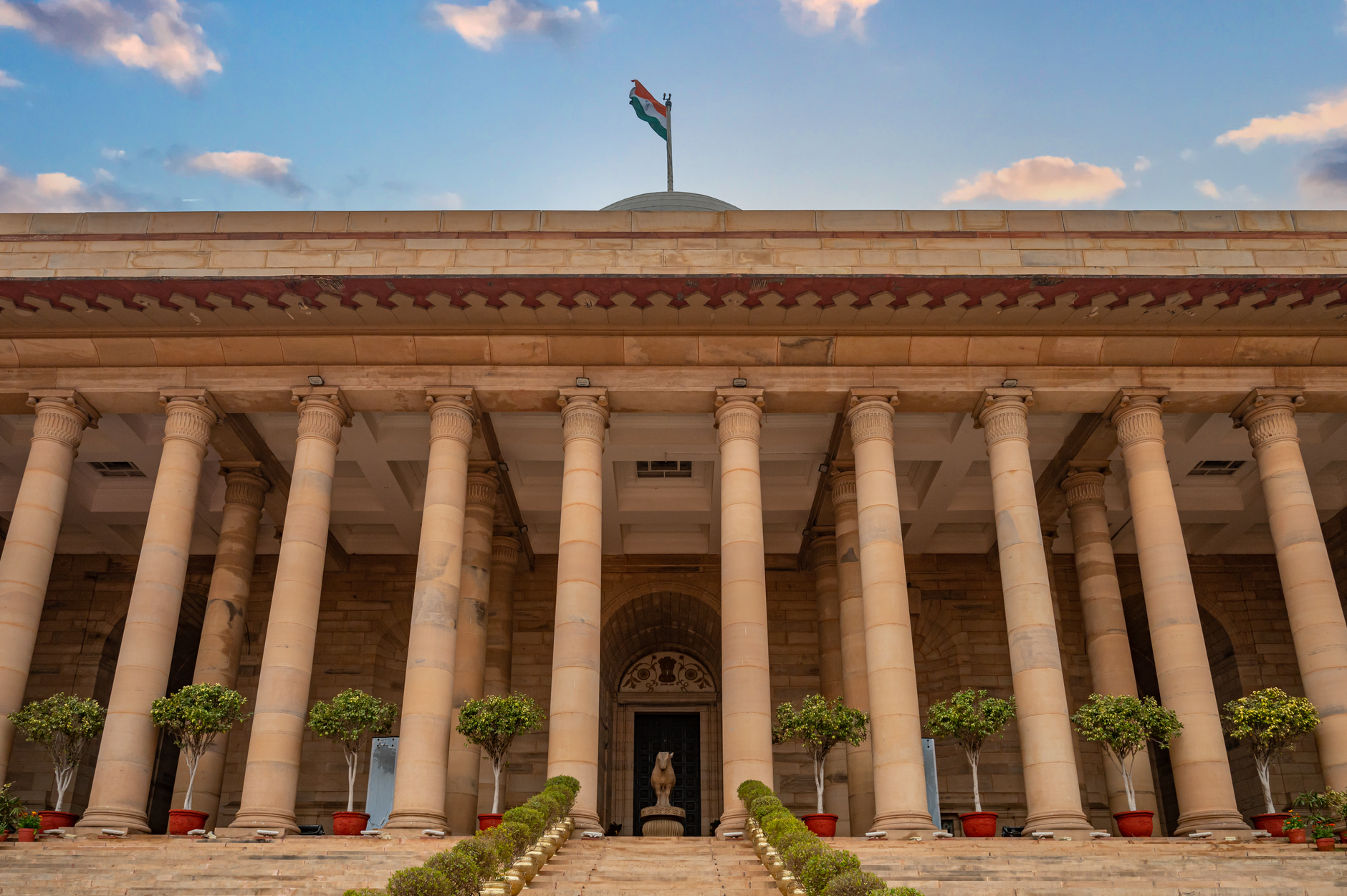
Photo: Abhinav Tripathi / Pexels