

What makes a European souvenir worth carrying home, and what to check first
A good souvenir tells you where it was made and by whom, and a few simple checks on materials, labels and practicality separate lasting keepsakes from clutter.
 By
Katharina Brenner
In brief
- A souvenir gains value from a clear link to a place, a craft or a local food tradition.
- Labels, materials and the seller are the quickest clues to authenticity.
- Weight, fragility and food rules shape what travels well.
- Small local shops and markets often offer more distinctive choices than tourist counters.
The best souvenirs from Europe share one trait: they can be traced to a place, a maker or a tradition, and that link is what keeps them meaningful long after the trip. Everything else, from price to packaging, is secondary. This guide sets out how to tell the difference and how to choose with practical limits in mind.
Three kinds of keepsake
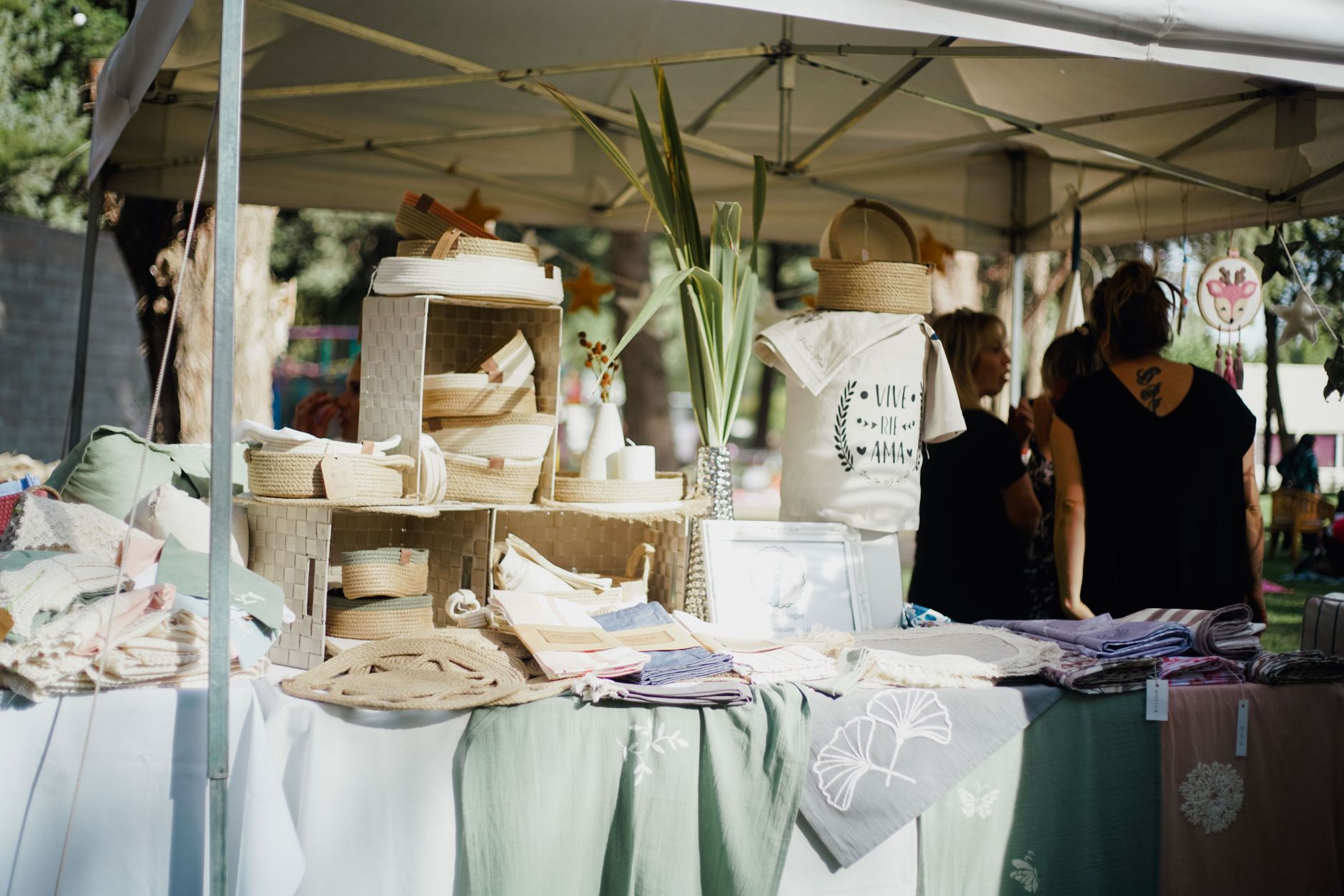
Most souvenirs fall into three families, and each calls for different judgement. Crafts are objects shaped by hand or by a regional workshop tradition: ceramics, textiles, embroidery, glass, woodwork and lace. In Central Europe, folk embroidery and painted pottery are long-established examples, and they are the items where the maker matters most.
Food and drink form the second family. Preserves, spices, confectionery, cured products and regional spirits express local taste directly, and they are consumed rather than stored, which makes them easy to give as gifts. The third family is the mass-produced item: magnets, mugs, postcards and printed T-shirts. These are not worthless, but they rarely say anything specific about where they were bought, and the same object is often sold in many countries.
How to judge authenticity
Start with the label. A genuine craft item usually carries information about its origin or its maker, and a seller who can explain how it was produced is a good sign. A tag that names only an importer, or no origin at all, suggests a product made elsewhere and branded for tourists.
Materials offer a second clue. Wool, linen, wood, clay and glass have a weight, texture and finish that cheap substitutes struggle to imitate. Hand-finished pieces also tend to show small variations, which are a feature rather than a flaw. Perfectly identical rows of an item on a shelf point toward factory production.
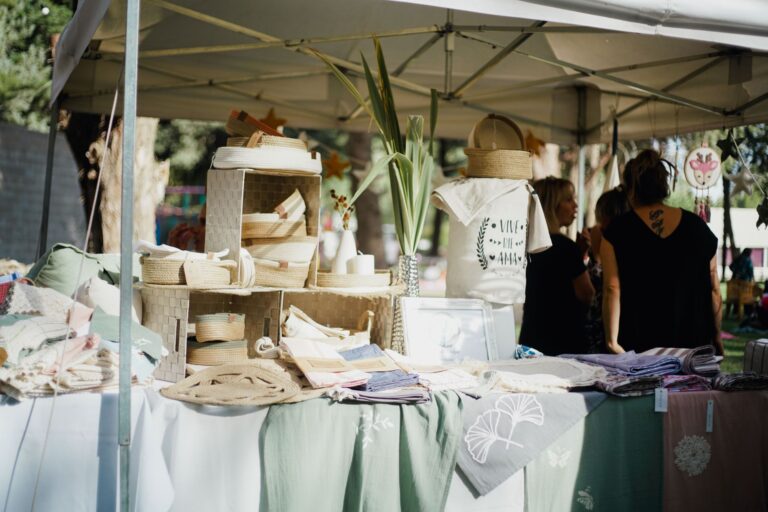
The place of sale matters too. Craft markets, museum shops and small workshops often stock items made nearby, while shops beside the busiest landmarks tend to sell the most generic goods. Moving a few streets away from the main sights frequently changes both the range and the conversation with the seller. A related overview of unique European souvenirs looks at where to shop for them.

Practical limits that shape the choice
A souvenir has to survive the journey. Glass, ceramics and framed pieces need protective wrapping, and a fragile purchase early in a long trip becomes a burden. Textiles and printed paper pack flat and are far easier to carry.
Food and drink raise separate questions. Rules on bringing animal products, plants and alcohol across borders differ between countries and between airlines, so it is sensible to check the regulations that apply to your route before buying perishable goods, and to confirm liquid limits for hand luggage. Sealed, shelf-stable products are generally the simplest to transport.
Budget is easier to manage when you decide in advance what role the object will play: a gift, a household item you will actually use, or a small reminder of one particular place. Objects with a use tend to stay in daily life, while purely decorative ones often end up in a drawer.
Buying with the place in mind
Choosing something connected to the specific region you visited, rather than to the country in general, gives the object a clearer story. A cloth from a town known for weaving, or a preserve made from fruit grown in the surrounding district, answers the question friends will ask: where is this from, and why? Buying directly from a maker or a small shop also keeps more of the money in the local economy, which is part of what many travellers want from the purchase.
Finally, it helps to buy less and choose better. One well-made object that you use or display tends to outlast a bag of small trinkets, and it is the item most likely to prompt a memory of the trip years later.
Photo: Elias Jara / Pexels