


Top european cities for nightlife and entertainment
 By
Adam Kovács
By
Adam Kovács
|
IN A NUTSHELL |
|
Across Europe, the map of after-dark life reads like a study in contrasts. From the hedonistic all-nighters of Ibiza to Berlin’s subterranean techno temples, the continent offers a spectrum of nightlife and entertainment that keeps travellers returning. Cities and islands stake competing claims: coastal enclaves stage beach parties and sunset cocktails, while Central and Eastern capitals, Prague, Budapest and Kraków, pair affordability with dense pub and club circuits. This piece argues that choice, not hierarchy, is the defining feature of the contemporary scene: you can chase luxury yacht soirées, curated city-club experiences, or improvised ruin bars and basement raves. The stakes for visitors are practical as well as aesthetic, transport schedules, local opening hours and door policies shape whether a night becomes memorable or merely misspent. For anyone planning a city break or a summer odyssey, understanding the cultural textures, dress codes, musical tastes and price tiers, matters as much as the headline names. Read on for a clear-eyed appraisal of where to go when the sun goes down.
Why these cities define nightlife excellence
Nightlife is not a single metric; it is a mix of music programming, crowd chemistry, affordability, and urban identity. I argue that the best European party cities earn their reputations because they succeed on multiple fronts: consistent event calendars, distinctive local formats (think Budapest’s ruin bars or Ibiza’s superclubs), and an ability to host both tourists and authentic local scenes without collapsing into a purely tourist trap. If you pick a city solely by name recognition, you’ll miss the places that actually deliver memorable nights for the price.
To make a sensible choice you must weigh three core variables: vibe (underground, beach, upscale), cost, and seasonality. Consider Ibiza and Mykonos as case studies: both promise world-class production and headline DJs, but both demand higher budgets and are intensely seasonal. Conversely, cities like Kraków and Budapest offer cheap, high-energy nights year-round. For a structured comparison of where to start your research, see a practical list of popular options at this guide and a broader ranking at National Traveller.
| City | Vibe | Average night cost | Best for |
|---|---|---|---|
| Ibiza | Club spectacle | High | Electronic music, VIP nights |
| Budapest | Ruin bars, eclectic | Low | Backpackers, extended nights |
| Kraków | Compact, pub crawl | Very low | Value seekers, students |
| Berlin | Underground techno | Medium | Serious clubbers, night owls |
| Mykonos | Seafront glamour | High | Luxury beach parties |
Choosing a destination without matching your priorities is the most common mistake travelers make. Read practical planning tips and personal reflections in travel roundups and destination features such as My Global Viewpoint and curated lists at Where to Stay Europe.
Central and eastern Europe: value and authenticity
Central and Eastern Europe offer the strongest argument for maximized nightlife value. Cities like Kraków, Budapest, Prague, and Belgrade combine low entry costs with inventive local formats that reward exploration. I contend that these regions are underrated precisely because they provide both affordability and originality: you can spend a night out in Kraków hopping bars in Kazimierz, move on to a multi-room club in Prague, and still pay less than a single club entry in a Western capital. That mismatch between cost and experience makes CE Europe a rational choice for anyone who prioritizes long, varied nights over polished, expensive production.
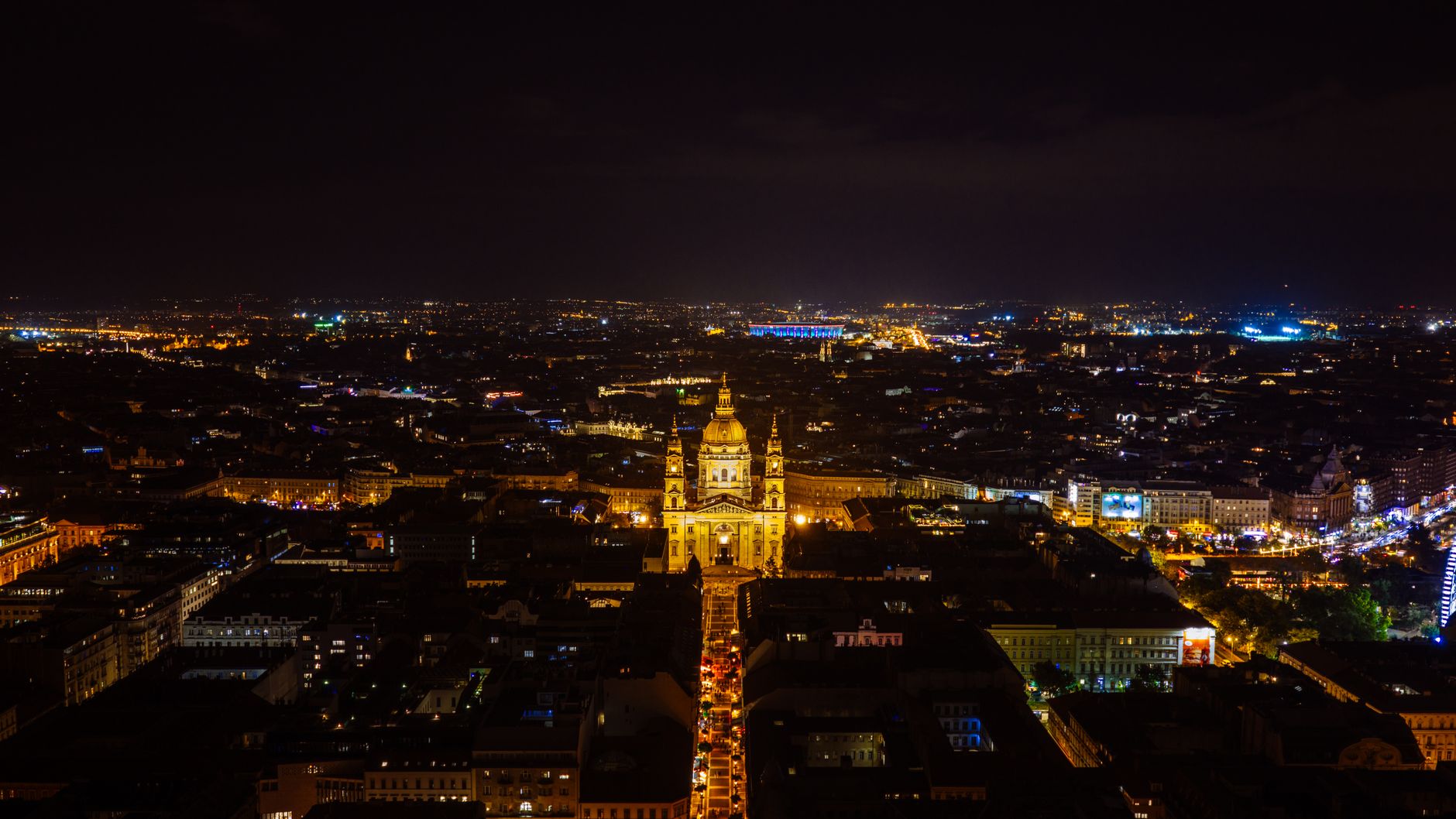
Budapest’s ruin bars illustrate the point: discarded buildings repurposed into vibrant social hubs create an atmosphere that no polished nightclub can replicate. They are cheap, social, and built for lingering conversation and long sessions of bar-hopping. Kraków and Belgrade bring a blend of student energy and local tradition, producing nights that feel communal rather than staged. For practical itineraries and cultural context, the Visegrad Post has useful pieces on solo travel and regional escapes at solo travel Europe and hidden European islands, which help map how nightlife connects to wider travel plans.
Affordability should not be mistaken for a lack of quality. I’ve consistently found that late-night discovery, accidental clubs, rooftop sets, student-driven events, is most likely in cities where the entry barrier is low. For those planning a route, consider train-friendly pairs like Prague, Vienna, Bratislava, Budapest to string together varied nights without long transfers. For recent rankings that corroborate these observations, consult comparative lists like National Traveller and trend pieces at Parties Near Me.
Island hotspots: curated summer spectacles
Islands specialize in a single argument: summer exclusivity. My assertion is that islands such as Ibiza, Mykonos, Pag, and Hvar sell a concentrated version of nightlife, intense production, predictable seasonality, and high crowd density. That model rewards travelers who accept trade-offs: you get spectacular stage design, beach-to-club programming, and headline DJs, but you also pay for convenience, brand, and timing. Choose islands when you want curated spectacle and are willing to budget for it; avoid them if you seek an all-night local scene on a shoestring.
There are useful sub-arguments when comparing islands. First, tiered positioning: Ibiza and Mykonos occupy the upscale, globally branded tier with expensive doors and VIP tables. Pag/Zrće and Ios lean towards the spring-break demographic with continuous day parties and high-energy daytime lineups. Hvar and Paros present a middle ground, stylish, seafront cocktail bars that appeal to slightly older crowds or mixed groups. If you want to see how island nightlife interlocks with broader travel choices, read the Visegrad Post’s take on islands and seasonal planning at hidden European islands.
Timing is everything on islands. The peak weeks define the vibe: outside that window, many venues close and the island reverts to a quieter face. Practical resources and destination rundowns such as this guide and compilations at My Global Viewpoint help align travel dates with festival or residency calendars so you avoid paying top dollar for thin lineups.
Western capitals and metropolitan nights
Western European capitals make a bold claim: they offer diversity and production quality that smaller cities cannot match. I argue that cities like Berlin, London, Paris, Amsterdam, and Barcelona remain indispensable for travelers who value variety within a single night. Imagine starting with an aperitivo in Milan, moving to a hip cocktail bar in Paris, and finishing in a Berlin techno bunker, that is the metropolitan advantage. The trade-off is cost and sometimes door politics, but the payoff is a curated cultural night that blends music, fashion, and social codes.
Berlin’s underground scene exemplifies why the metropolis matters: clubs are not merely venues but cultural institutions with strict entry norms and a reputation economy. London and Amsterdam deliver variety, from craft cocktail bars to late-night clubs, while Barcelona and Lisbon combine beach-adjacent parties with city-center nightlife. Practical guides that map where to stay, which neighborhoods to hit, and how to budget for these cities are essential; check comparative overviews at Where to Stay Europe and the curated lists on National Traveller.
Expect to pay for convenience and reputation. Entry fees, drink prices, and queue times are real costs in these cities. However, the qualitative difference, world-class production, international DJ lineups, and nightlife ecosystems that support afterparties and hybrid events, can justify the expense for travelers who prioritize one-of-a-kind nights. For event calendars, local listings and aggregator sites like Parties Near Me are invaluable planning tools.
How to choose where to go and avoid common travel mistakes
Picking a nightlife destination is an exercise in aligning priorities with reality. I argue that the primary axis you must decide on is risk versus reward: do you accept sweaty, cheap bars with spontaneous energy, or do you want curated, high-production nights that cost more? That decision determines whether you should be booking Kraków, Budapest, or Belgrade, versus Ibiza, Mykonos, or Saint Tropez. One of the biggest mistakes is choosing a destination based on photos or reputation alone without matching it to your budget and tolerance for queues, dress codes, and seasonal crowding.
Practical tips reduce that risk. First, always check seasonality: many island venues close outside summer, and cities with heavy student populations change tone during university breaks. Second, research door policies: Berlin and Milan enforce selection at the door; budget for potential refusals. Third, time your arrival, arriving late typically means longer queues and higher chance of denial. Useful resources for planning and avoiding pitfalls include practical roundups like this guide and broader destination advice at My Global Viewpoint.
Preparation wins nights. Book the right accommodation (party hostels vs quiet B&Bs), pre-purchase event tickets to skip entry lines, and learn the basic local etiquette, whether that’s casual dress in Lisbon or a neutral, unflashy look at certain Berlin clubs. For solo travelers and travelers seeking tailored experiences, consult resources like the Visegrad Post’s solo travel guidance at solo travel Europe and curated nightlife rankings to match your expectations with reality.
Nightlife Verdict
Europe’s nightlife is not a single product to be bought; it is a spectrum of distinct experiences that demands a clear choice from any traveler. If you value affordability and relentless energy, the evidence points to cities that deliver high value per euro. If you prioritize glamour and curated nights out, upscale destinations will justify the extra cost. The decisive question is not which city is objectively “best,” but which scene aligns with your priorities: budget, underground, beach party, or luxury.
For those arguing that cost matters most, cities like Kraków, Budapest, and Belgrade make a compelling case: intense nights, cheap drinks, and a social atmosphere that rewards spontaneous plans. Conversely, if your argument favors production value, door policy, and seaside glamour, places such as Ibiza, Mykonos, and Saint Tropez offer a refined itinerary that supports premium nightlife. This is not about better or worse; it’s about a trade-off between price and polish.
Beyond price, experience type is decisive. If you defend authenticity and novelty, you’ll side with Berlin for its underground techno and with Prague for labyrinthine cellar venues. If you insist on seasonal spectacle, the argument for islands and coastal strips, Pag, Hvar, Albufeira, is strong: high-intensity summers, boat parties, and day-to-night continuity that mainland cities rarely replicate. Each claim about a city’s superiority depends on what you prioritize when the sun sets.
The practical conclusion is straightforward: choose by criteria, not by hype. Map your budget and preferred vibe, then pick the city that best matches those parameters. For maximal variety, combine a Central European cluster, where Prague, Budapest, and Kraków sit close together, with a separate trip to the islands if you want sun-soaked, all-day partying. That approach wins both arguments: cost-effectiveness and unforgettable nights.
FAQ
Q: Which city should I choose if I want the classic electronic clubbing experience and world-famous DJs?
A: Choose Ibiza. It remains the uncontested party capital of Europe for big-name DJs, large-scale clubs and late-night events. If you want premium production values and beachfront club nights, Ibiza is the obvious pick, but expect higher prices and an upscale crowd.
Q: Where can I party on a tight budget without sacrificing atmosphere?
A: Head to Central and Eastern Europe, cities like Budapest, Kraków, and Belgrade deliver lively nightlife at far lower cost than Western capitals. Expect cheap drinks, value pub crawls and unique venues like ruin bars in Budapest that offer atmosphere without the premium price tag.
Q: Which destinations offer truly unique nightlife experiences I won’t find elsewhere?
A: Prioritize Berlin for its underground club culture and long, uncompromising nights; Budapest for its courtyard-style ruin bars; and Amsterdam for its relaxed coffee shop culture combined with picturesque canals. These cities offer experiences that are unmistakably local and hard to replicate.
Q: What are the best European islands for summer party culture?
A: For summer-focused island nightlife, pick from Mykonos, Ios, Paros, Hvar, Pag (Zrće), and Ayia Napa. Some are upscale and refined (Mykonos, Hvar), others are full-on spring-break style or non-stop beach parties (Pag, Ios). Decide whether you want luxury or relentless party energy and choose accordingly.
Q: Which cities deliver nightlife year-round rather than only in summer?
A: Cities like Berlin and Lisbon offer consistent nightlife all year. Berlin’s electronic and underground scenes run through every season, while Lisbon maintains lively streets packed with bars and late-night culture regardless of weather, making them reliable choices outside of the summer rush.
Q: Barcelona or Madrid, which is better for nightlife in summer?
A: Pick Barcelona for a summer trip. It combines sandy beaches in the city with open-air parties and vibrant beachside bars; the city’s summer rhythm favors relaxed daytime beach vibes that roll into energetic nights. If you prioritize seaside parties, Barcelona beats Madrid in summer.
Q: Where should I go if I want an upscale, glamorous night out?
A: Go to Saint Tropez, Mykonos, or selected clubs in Milan for luxury yacht parties, exclusive bottle service and fashion-forward crowds. These scenes demand more money and a sharper wardrobe, but they deliver high-end production and a polished atmosphere.
Q: How can I avoid common nightlife travel mistakes?
A: Don’t blindly follow tourist traps or arrive without a plan. Avoid overpriced tourist clubs, long door queues without a reservation, and beachfront venues that charge excessive cover for weak lineups. Book key nights in advance for popular island and city hotspots, and pick accommodation near the main nightlife hubs only if you accept the noise trade-off.
Q: What are practical ways to keep nights out affordable?
A: Use local pub crawls and party-hostel events for free or discounted entry, prioritize local beer and house drinks, and hunt for bundled deals like open bar nights. Central and Eastern European cities often offer the best value-per-night, so plan your route with cost in mind.
Q: When is the best time to visit for the biggest festivals and boat parties?
A: Summer months are peak for boat parties, beach festivals and island club statements, think June to September. For major urban festivals, check individual calendars (for example, large summer festivals can coincide with peak party months in cities like Budapest). If you want nonstop island nightlife, target high summer; for year-round club culture, choose cities like Berlin or Lisbon off-season.
Q: Which neighborhoods should I prioritize in specific cities?
A: Start your nights in proven hubs: Kazimierz / Plac Nowy in Kraków, Gazi in Athens, Bairro Alto in Lisbon, the Strip area in Albufeira, Navigli in Milan, and Stradun or the Old Town alternatives in Dubrovnik. These neighborhoods concentrate bars, pubs and clubs and make pub-crawling practical and efficient.
Q: Are there safety or etiquette tips I should know?
A: Yes. Respect local door policies, some clubs (especially in Berlin and Milan) enforce dress codes or selective entry; avoid loud behavior in residential areas late at night; keep an eye on belongings in crowded touristy bars; and remember that island towns often have strict noise or closing regulations you must observe. Dressing appropriately in upscale venues and being polite at queues increases your chances of smooth entry.
Q: How should I choose accommodation for nightlife-focused travel?
A: If your priority is social nightlife, select central party hostels or hotels within walking distance of club districts, they offer easy access to pub crawls and meetups. If you value sleep after late nights, pick a place a short taxi ride away from the busiest streets. Balance convenience and quiet based on how late you expect to stay out.
Q: Can I combine multiple top nightlife cities into one trip efficiently?
A: Absolutely, Central European hubs like Prague, Vienna, Bratislava and Budapest are close enough to string together by train in a single trip, offering a concentrated week of varied nightlife. For island-hopping, plan short ferry hops between Greek islands or Croatian ports to hit several party islands over a week.
Continue reading