

Wood Is the New Gold: Discover How This Natural Material Is Revolutionizing Hong Kong Homes with Quiet Luxury Appeal
 By
Adam Kovács
By
Adam Kovács
| IN A NUTSHELL |
|
In the bustling cityscape of Hong Kong, where concrete and glass dominate the skyline, a quiet revolution is taking place within the confines of private residences. This transformation is not about the latest tech gadget or modernist furniture, but rather a return to nature through wooden interiors. Embracing the warmth and coziness that wood provides, many find solace and a sense of heritage by integrating this biophilic material into their living spaces. This article explores the growing trend of using timber to evoke a sense of calm and luxury, highlighting its psychological benefits and aesthetic appeal.
The Emotional Connection to Wood
Building with wood transcends mere aesthetics; it is about the emotional experience it evokes. The tactile warmth of wood surfaces, its pleasant aroma, and the psychological comfort it provides are unparalleled. Wood is a biophilic material, meaning it has an innate connection to nature that humans find soothing. In a fast-paced urban environment like Hong Kong, incorporating wood into home design offers residents a sanctuary from the chaos outside. It creates a cozy, inviting atmosphere that many homeowners crave.
Professional musician Kelvin Leung experienced this emotional connection firsthand. Drawn to the wooden interiors of his alma mater, King’s College, Leung sought to replicate that warmth and coziness in his own home. His story underscores how wooden interiors can evoke powerful memories and feelings, influencing personal design choices. This emotional resonance is a significant factor in the rising popularity of timber in home design, as people increasingly seek environments that offer tranquility and nostalgia.
Design Influences: From British Colonial to Modern Luxury
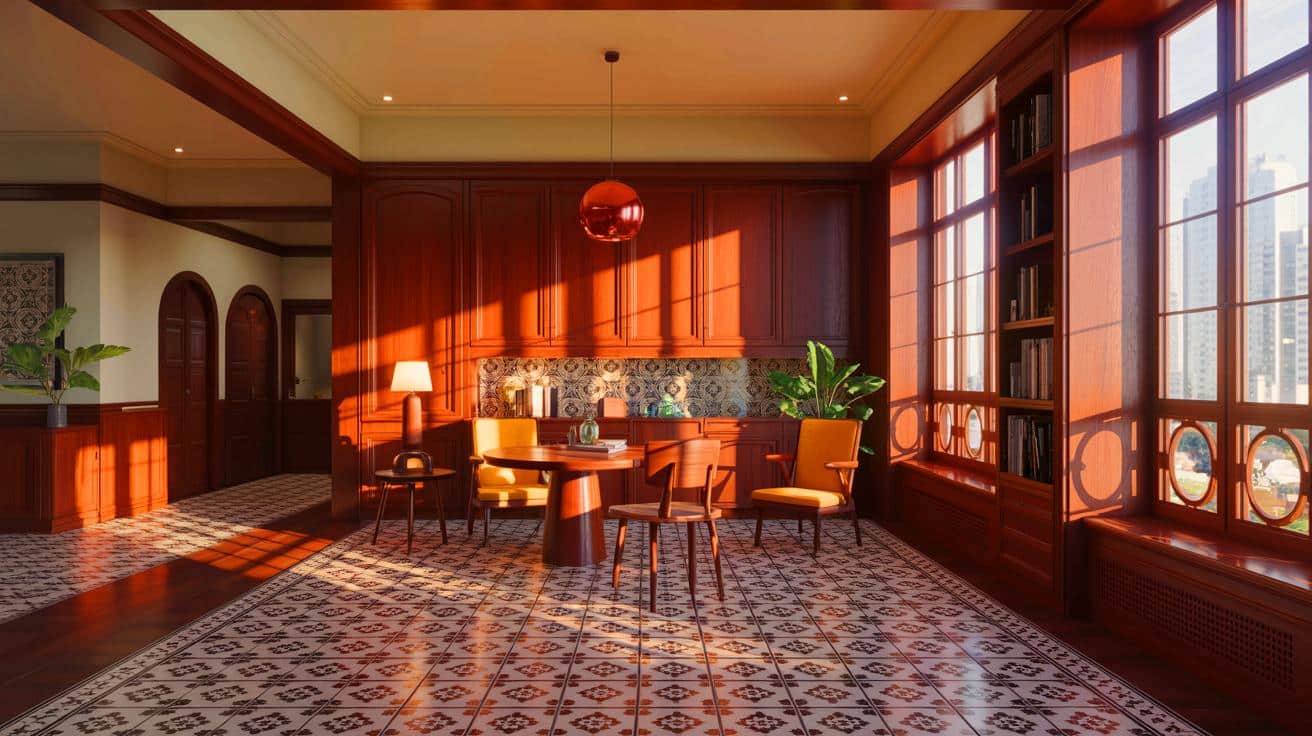
Hong Kong’s architectural landscape is rich in history, and this is often reflected in interior design choices. For Kelvin Leung, the British colonial style served as a source of inspiration. His home features rich timber hues reminiscent of a gentleman’s club, a design choice that imbues his apartment with a sense of heritage and sophistication. This inclination towards dark woods like mahogany and walnut hints at a broader trend towards “quiet luxury,” where understated elegance takes center stage.
Interior designer Vincent Leung Tsz-chun of Win Key Workshop notes a growing appreciation for the depth and character of classic timbers. His work on Kelvin’s apartment showcases how dark wood can be integrated into modern homes, balancing historical influences with contemporary sensibilities. The use of vintage-inspired elements, such as patterned floor tiles and walnut wainscoting, adds warmth and character, highlighting the enduring appeal of wood in design.
Functional Beauty: Balancing Aesthetics with Practicality
While the aesthetic appeal of wood is undeniable, its functional benefits are equally compelling. In Hong Kong, where humidity is a constant challenge, using veneer instead of solid wood can prevent issues related to expansion and contraction. This practical consideration ensures that wooden interiors remain beautiful and durable over time. The balance of sustainability and functionality plays a crucial role in the design process, as homeowners seek materials that are both eco-friendly and resilient.
Wilson Lee of Studio Adjective emphasizes the importance of creating a rich yet light atmosphere in home design. By layering lighting in the entranceway and selecting materials that complement natural sunlight, designers can enhance the sensory experience of wood without overwhelming the space. Such thoughtful design choices highlight the versatility of timber, making it a favored material for those looking to combine aesthetic appeal with practical excellence.
The Future of Wood in Hong Kong Homes
The resurgence of wood in interior design reflects a broader cultural shift towards valuing heritage and nature. As more people seek to create homes that are not only visually appealing but also emotionally resonant, wood offers a timeless solution. This trend is not just a fleeting fashion but a deeper movement towards integrating elements that foster well-being and connection to history. The use of timber in Hong Kong homes is a testament to the enduring power of materials that speak to both heart and mind.
Looking ahead, the question remains: how will the use of wood continue to evolve in response to changing design sensibilities and environmental considerations? As designers and homeowners alike explore new ways to incorporate this timeless material, the possibilities seem as vast and varied as the forests from which these woods originate.
Continue reading