


“Prepare for the Unthinkable”: This Bold US Air Force Plan Could Revolutionize Global Delivery with Rocket Cargo in Record Time
 By
Adam Kovács
By
Adam Kovács
| IN A NUTSHELL |
|
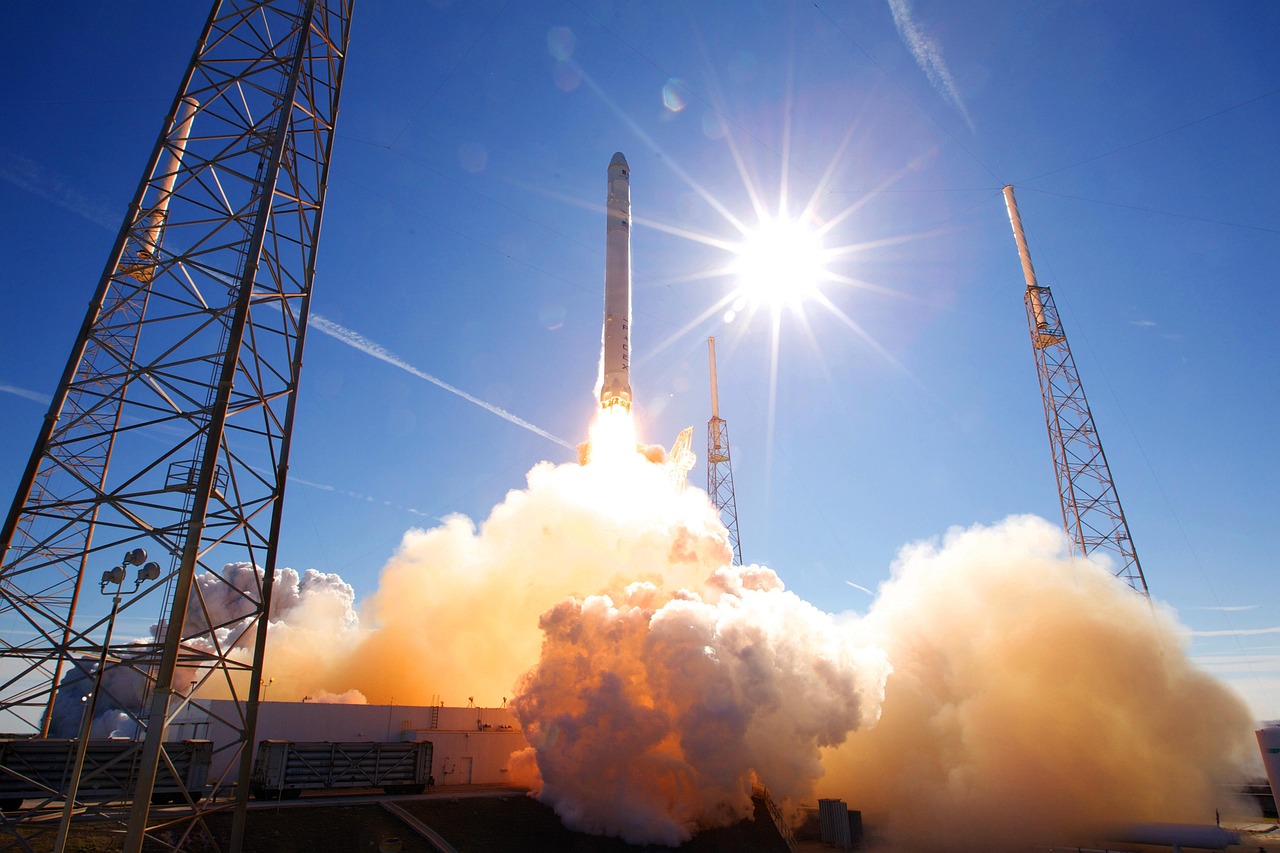
The concept of rapid global delivery is being reimagined by the US Air Force, which is exploring a groundbreaking transport system capable of revolutionizing logistics. The Rocket Cargo project aims to deliver up to 100 tons of cargo anywhere on Earth in under 90 minutes. This ambitious venture, part of the Rocket Experimentation for Global Agile Logistics (REGAL) program, seeks to develop commercial reusable transport rockets with the capacity of a Globemaster III transport plane. This could potentially transform military and humanitarian logistics, offering unprecedented speed and efficiency. As the project gains momentum, it promises to redefine what we consider possible in the realm of global delivery.
The Vision Behind Rocket Cargo
At the heart of the Rocket Cargo project is the AFRL’s vision to achieve near-instantaneous delivery of large payloads across the globe. Inspired by the notion that there are only two worthwhile speeds, instantaneous and walking, the project aims to bring the former closer to reality. The goal is to create a reusable transport rocket capable of suborbital trajectory, able to land anywhere on Earth within 60 to 90 minutes. This ambitious endeavor is not just about building a powerful rocket but establishing a comprehensive logistical system akin to a military air transport wing. Imagine transporting a full US Marine detachment or humanitarian aid from the US to remote locations worldwide in the time it takes to reach the airport.
Technological Innovations and Partnerships
Developing such a system requires groundbreaking technological advancements and strategic partnerships. A significant step in this direction is the collaboration between AFRL and Rocket Lab USA. Together, they aim to conduct an orbital flight no earlier than 2026, described as a survivability test. Utilizing Rocket Lab’s Neutron medium-lift reusable rockets, capable of carrying 13 tons, the mission will simulate conditions akin to transport missions. Data collected will be instrumental in constructing future vehicles optimized for such operations. This partnership not only boosts the project’s feasibility but also highlights the Department of Defense’s (DOD) confidence in Neutron’s capabilities to advance space logistics.
Ensuring Safety and Reliability
As with any pioneering project, ensuring safety and reliability is paramount. The survival mission will involve a controlled reentry, during which telemetry will monitor various factors such as temperature, pressure, and acceleration forces. These data points will validate future mission models and guarantee the safety of payloads, especially if passengers are involved. Human-rated rockets must meet stringent tolerances, as the margin for error is minuscule when human lives are at stake. The rigorous testing and validation process is crucial in positioning Rocket Cargo as a reliable option for both military and commercial space logistics.
The Future of Global Logistics
The potential impact of the Rocket Cargo project extends beyond military applications. It promises to set new standards for performance, affordability, and reliability in global logistics. According to Rocket Lab founder Sir Peter Beck, Neutron’s capabilities could revolutionize point-to-point logistics for the DOD. This innovative approach highlights the growing importance of space technologies in solving terrestrial challenges. As anticipation builds for Neutron’s inaugural flight, the project underscores the transformative potential of rapid global delivery systems. It’s an exciting time for space logistics, as these developments promise to reshape how goods and personnel are transported worldwide.
As the Rocket Cargo project progresses, it invites us to rethink the future of global logistics and the role of space technology in our lives. How will these advancements influence not only military operations but also everyday commercial logistics? What new opportunities and challenges will arise as we move closer to achieving instantaneous global delivery? The answers to these questions will shape the future of transportation and logistics, offering a glimpse into a world where the impossible becomes possible.