

“They Said It Couldn’t Be Done”: How Positron Tech Slashed Chernobyl’s Deadly Radiation by 47% Against All Odds
 By
Adam Kovács
By
Adam Kovács

| IN A NUTSHELL |
|
In 1986, the world witnessed one of the most catastrophic nuclear disasters in history when Reactor No. 4 at Chernobyl exploded, releasing deadly radioactive materials. Decades later, the site and its surrounding areas remained dangerously contaminated, seemingly destined to be uninhabitable for thousands of years. However, a groundbreaking technology developed by a Swiss engineering firm, Exlterra, has achieved what many thought impossible: a 47% reduction in airborne radiation within the Chernobyl Exclusion Zone. This triumph, driven by the Nucleus Separation Passive System (NSPS), offers a beacon of hope for nuclear disaster recovery worldwide.
The Catastrophe That Was Chernobyl
The Chernobyl disaster occurred on April 26, 1986, in northern Ukraine, when a sudden power output surge led to explosions in Reactor No. 4. The explosion released large quantities of radioactive isotopes such as cesium-137 and strontium-90 into the atmosphere, affecting much of Europe. The initial explosion and resulting fire forced the evacuation of over 116,000 people from the surrounding 30-kilometer zone. This area, known as the Exclusion Zone, was deemed unsafe for human habitation and remains one of the most toxic places on Earth.
For decades, the radioactive isotopes continued to contaminate the soil and air, posing severe challenges to cleanup efforts. Scientists predicted that some areas would remain unsafe for up to 24,000 years. Yet, with the introduction of the NSPS technology, this grim forecast is being rewritten. The once-impossible task of decontaminating Chernobyl is now becoming a reality, paving the way for future recovery efforts in other nuclear disaster zones.
Understanding the Nucleus Separation Passive System
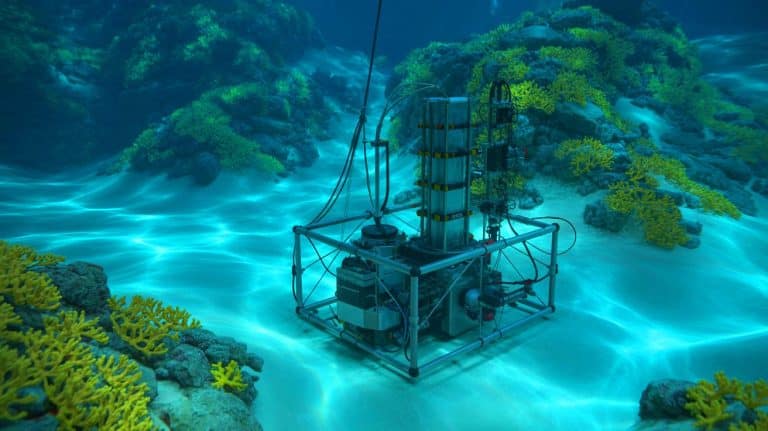
The Nucleus Separation Passive System (NSPS) is a revolutionary approach to decontamination, utilizing high-speed positrons to destabilize radioactive isotopes. Unlike traditional methods, the NSPS is non-invasive and chemical-free, operating without electricity. The system introduces positrons into the ground using subterranean rods, disrupting the atomic structure of harmful isotopes and accelerating their decay into non-radioactive forms.
This cutting-edge technology achieves significant radiation reduction without disturbing the soil or exposing workers to contamination. By eliminating the need for excavation or chemical treatments, the NSPS offers a safer and more sustainable solution for nuclear disaster sites. The successful deployment of NSPS at Chernobyl demonstrates its potential to transform how we address the lingering impacts of nuclear accidents around the globe.
Remarkable Results: A Safer Chernobyl
In 2023, Exlterra deployed the NSPS system over approximately 5 acres within the Chernobyl Exclusion Zone, in collaboration with Ukraine’s SSE Ecocentre. The results of this initiative were astounding, with airborne radiation levels dropping by 47% and soil radiation decreasing by 37%. Importantly, this reduction was achieved without moving or chemically treating any radioactive material.
This accomplishment challenges the long-held belief that radioactive decay must take centuries. By harnessing the power of natural, passive processes, the NSPS has demonstrated that contamination can be significantly reduced in a fraction of the expected time. This breakthrough not only offers hope for Chernobyl but also sets a precedent for future decontamination projects worldwide.
Global Implications and Future Prospects
The success of the NSPS at Chernobyl has far-reaching implications for nuclear disaster recovery. If a technology can effectively reduce radiation levels at the world’s most notorious nuclear site without disrupting the environment, it could revolutionize cleanup efforts globally. Potential applications include decontaminating areas affected by the 2011 Fukushima meltdown, former nuclear test sites, and zones impacted by medical or industrial radiation spills.
Moreover, the NSPS could significantly reduce the long-term costs and labor associated with decontamination efforts, offering a more efficient and sustainable path to environmental recovery. As Exlterra explores partnerships in Japan and the United States, the potential for widespread application of this technology grows, promising a cleaner and safer future for affected regions.
Looking Ahead: The Future of Chernobyl and Beyond
With radiation levels in the Chernobyl Exclusion Zone falling, new possibilities emerge for the area’s future. Wildlife has already begun to return, with species such as wolves and bison thriving in the absence of human activity. As decontamination efforts continue, could Chernobyl one day support reforestation, agriculture, or even human habitation?
The successful implementation of NSPS technology raises intriguing questions about the potential for revitalizing areas once deemed lost to nuclear contamination. How might this innovation reshape our approach to environmental recovery, and what other areas could benefit from such transformative solutions? As we ponder these possibilities, one thing is certain: Chernobyl’s narrative is evolving, thanks to the power of human ingenuity and the promise of groundbreaking technology.
Continue reading