

“1,000 Interceptor Drones Daily”: Ukraine Announces Massive Production Plan as ATACMS Stockpile Drops to Just 50 Missiles
 By
Adam Kovács
By
Adam Kovács
| IN A NUTSHELL |
|
The geopolitical landscape has been significantly shaped by the evolving conflict between Ukraine and Russia. The role of international allies, particularly the United States, has been crucial in shaping the trajectory of this conflict. Recent developments have highlighted restrictions imposed by the U.S. on Ukraine’s use of certain military assets, such as the ATACMS missiles. However, Ukraine’s strategic adaptations and homegrown military innovations have allowed it to remain resilient and continue its defense against Russian aggression.
U.S. Restrictions on Missile Use
In recent years, Ukraine’s plea for advanced weaponry from Western allies has been a focal point in the ongoing conflict with Russia. Initially, Ukraine’s military strategies heavily depended on gaining access to foreign tanks, combat aircraft, and long-range missiles. Among these, the ATACMS missiles, with a reach of approximately 186 miles, became a crucial asset for targeting Russian installations behind the lines.
Despite Ukraine’s strategic interest, the U.S. imposed restrictions on the use of these missiles, limiting them to targets within Ukraine’s internationally recognized borders. This decision, made during President Biden’s administration and adjusted later, affected Ukraine’s ability to mount a decisive military advantage. The U.S.’s cautious approach was shaped by broader geopolitical implications and the risks of escalating tensions with Russia.
As the conflict evolved, the Biden administration eventually lifted these restrictions in late 2024. However, by then, much of Russia’s military infrastructure had been repositioned beyond the effective range of these missiles, diminishing their potential impact. This shift underscored the dynamic nature of military planning and the constant adaptation required in such conflicts.
Impact of Limited Missile Supplies
Despite their strategic importance, the limited supply of ATACMS missiles delivered to Ukraine has been a significant constraint. By the time U.S. restrictions were eased, Ukraine’s stockpile had dwindled to around 50 missiles. This scarcity emphasized the broader challenge of maintaining a sufficient supply of advanced weaponry in a prolonged conflict.
Ukraine’s military strategy has had to adapt to these limitations. The country’s arsenal now includes various long-range capabilities, such as the newly introduced Flamingo cruise missiles with a range of up to 1,864 miles. These developments reflect Ukraine’s shift towards self-reliance in defense manufacturing.
Additionally, Ukraine’s effective use of drones has proven to be a game-changer. Drones like the Liutyi have consistently targeted Russian logistics lines, causing disruptions in fuel supplies and impacting Russia’s operational effectiveness. This innovative approach highlights Ukraine’s ability to leverage technology and adapt to changing battlefield conditions.
Revitalizing Ukraine’s Military Capabilities
As the conflict continues, Ukraine has made significant strides in reducing its dependency on Western military support. While Western assistance remains crucial in areas like air defense, Ukraine’s domestic military industry has taken on a more prominent role. This shift is partly driven by the depletion of Western military stockpiles and advancements in Russian missile technology.
Ukraine’s government has actively fostered local defense production by encouraging domestic companies to develop and manufacture various military technologies. This includes advancements in missile production and air defense systems, showcasing the country’s commitment to self-sufficiency.
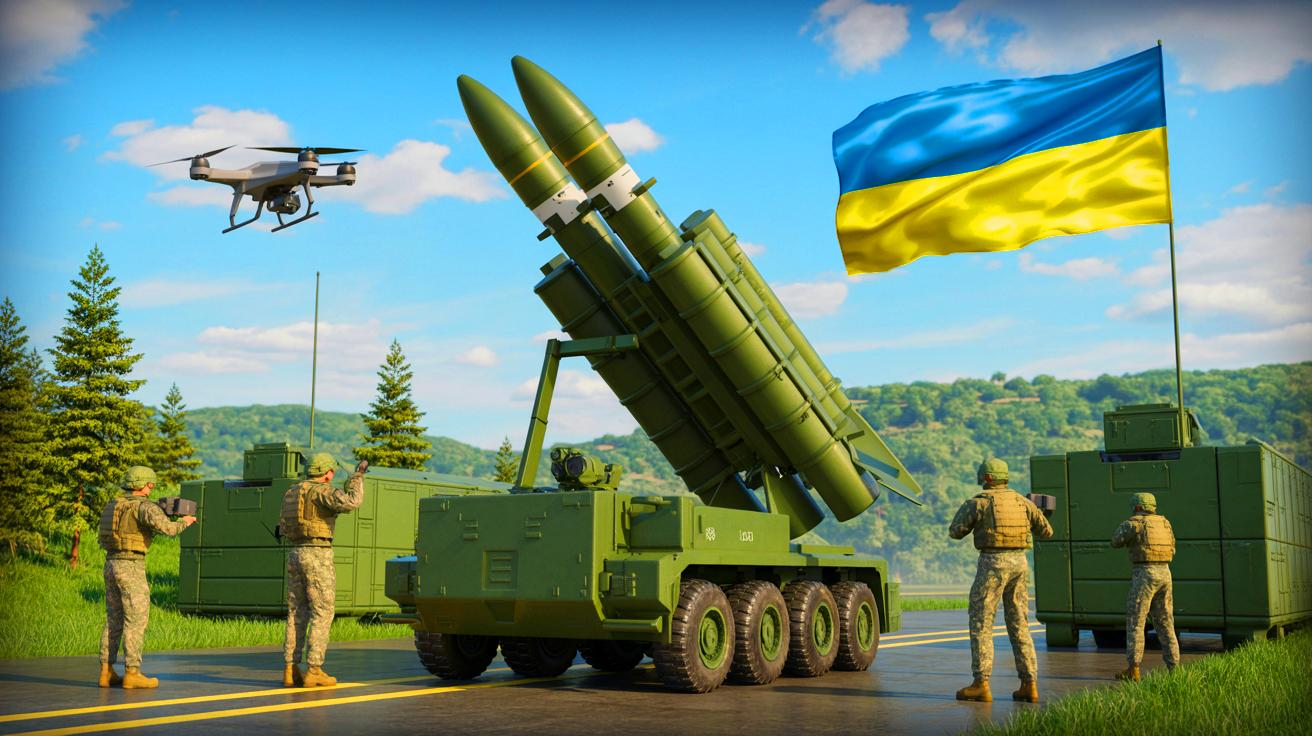
President Volodymyr Zelensky has announced ambitious plans to produce 1,000 interceptor drones daily. These drones are vital in countering the increasing threat from Russian unmanned aerial vehicles. The initiative is a testament to Ukraine’s proactive approach in addressing immediate threats and ensuring long-term security.
Challenges and Future Prospects
Despite setbacks, Ukraine’s military innovations have demonstrated resilience and adaptability. The ongoing conflict has forced Ukraine to confront numerous challenges, including fluctuating support from international allies and evolving threats from a technologically advancing adversary.
The fluctuating geopolitical environment has been further complicated by the return of Donald Trump to the U.S. presidency, introducing uncertainties regarding future U.S. support. Nonetheless, Ukraine remains committed to defending its sovereignty and continues to seek innovative ways to enhance its military capabilities.
The interplay between international diplomacy and military strategy will likely continue to shape the future of this conflict. As Ukraine navigates these complex dynamics, the question remains: How will Ukraine’s evolving military strategies and innovations influence the broader geopolitical landscape in the years to come?
Continue reading